Acne Treatment
Looking for the best acne treatments? Whether you're dealing with the odd spot or more persistent breakouts, you're in the right place. We stock both over-the-counter and prescription-only acne treatments, so there's something for mild and more stubborn acne alike. … Read More See less
Acne can be painful, both physically and mentally. If you live with acne, or support someone who does, it helps to understand the condition and how it can be treated effectively. Read on to find out what acne is, what causes it, and which treatments are available.
-

-
Save 8%
-

-
-

-
Available NowAd
-
-
-
-
-
-
-
Save 10%
-
Save 8%
-
Save 6%
-
Save 8%
-
-
-
Save 35%
 Out of Stock
-
 Out of Stock
-
Save 35%
 Out of Stock
-
Save 40%
 Out of Stock
-
Save 42%
 Out of Stock
-
Save 37%
 Out of Stock
-
Save 39%
 Out of Stock
-
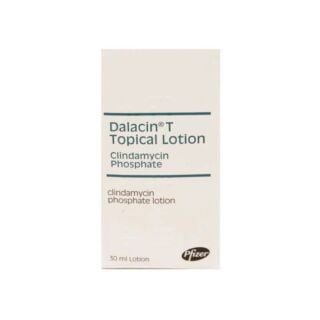 Out of Stock


What is acne?
Acne is a skin condition that happens when your hair follicles (the tiny holes in your skin that hair grows out of) become blocked and inflamed. The medical name is acne vulgaris. It can cause a range of spots, and it most often shows up on your:
- face (in 99% of cases)
- back (in 60% of cases)
- chest (in 15% of cases)
Here's what the different spots look like:
- Blackheads and whiteheads: Blackheads are small black or yellowish bumps. Whiteheads are similar but firmer, and they don't empty when squeezed.
- Papules and pustules: Papules are small red bumps that can feel tender or sore, while pustules are filled with pus.
- Nodules and cysts: Large, painful lumps (sometimes pus-filled) under your skin.
Cysts are the most severe type of acne spot, as they carry the highest risk of permanent scarring if they burst. Picking or squeezing papules and pustules can also cause scarring, so try to leave your spots alone.
How is acne diagnosed?
Diagnosing acne is simple. A GP will look at your skin and the types of spots you have, then recommend a treatment based on how severe your acne is.
Acne is usually described as:
- Mild: Mostly blackheads and whiteheads, with a few papules and pustules.
- Moderate: More blackheads and whiteheads, with lots of papules and pustules.
- Severe: Lots of large, painful papules and pustules, plus nodules and/or cysts. You may also have some scarring.
Do I need to see a GP?
If your acne is mild, you can skip going to your GP and ask a pharmacist for advice. However, you should always see your GP if your acne is moderate or severe and affecting your quality of life, or if you're getting nodules or cysts.
What causes acne?
Acne starts when your hair follicles get blocked, but the causes of these blockages can vary.
The main types of acne
- Non-inflammatory acne: Oil and dead skin cells build up and plug your pores, leading to blackheads and whiteheads without much redness or swelling.
- Hormonal acne: Hormones can increase your skin’s oil production (sebum). In men, this is caused by higher testosterone levels. In women, it's often linked to the menstrual cycle or a condition like polyendocrine metabolic ovarian syndrome (PMOS), previously known as polycystic ovary syndrome (PCOS).
- Cystic acne: Oil and dead skin cells clog your pores and react with bacteria, causing painful cysts.
- Fungal acne: A yeast called Malassezia lives naturally on your skin, but it can overgrow, for example, if you have a weakened immune system. This causes small, painful spots that can itch and may have a red ring around them.
Other things that can play a part
- Cosmetics: Some can trigger acne, but others are formulated to avoid it (this is called non-comedogenic). Oil-free skincare is still your best bet to keep acne at bay.
- Certain medications: Steroids (like hydrocortisone) and some epilepsy medicines can contribute to acne.
- Smoking: Research links smoking to acne, and the more cigarettes smoked, the more severe the acne tends to be.
- Diet: Studies have linked acne to high-glycaemic-index diets, dairy, whey protein, and meat products high in leucine. Diets with enough omega-3 fatty acids have been linked to fewer spots, but more research is needed to establish these links.
- Genetics: A family history of acne tends to indicate it’ll be more severe.
- Stress: It doesn't cause acne, but it can make existing acne worse.
- Pressure on your skin: Rubbing from phones, helmets, tight collars, and backpacks can contribute to breakouts.
Remember, acne isn't caused by dirty skin or poor hygiene. Washing your face more than twice a day won't help. In fact, it can irritate your skin and make acne worse.
How can acne be treated?
The main thing to know is that acne treatments take time to work. It can take several months to see a real difference, so stick with your treatment even if it feels slow.
Treatments fall into three groups: topical treatments (applied to your skin), oral tablets, and non-pharmaceutical treatments. We'll discuss each one in more detail below.
Topical treatments
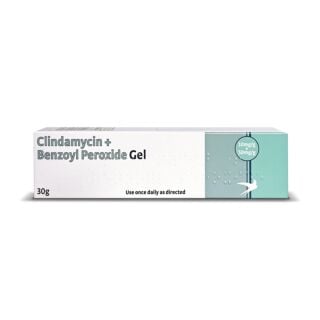
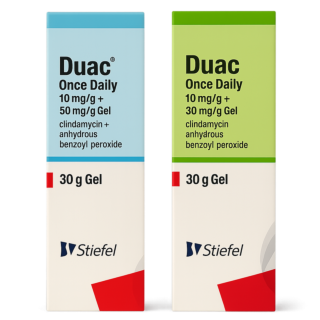
- Benzoyl peroxide: A good starting point for mild acne. It's an antiseptic that reduces bacteria on your skin and calms inflammation. Ask a pharmacist about an over-the-counter cream or gel.
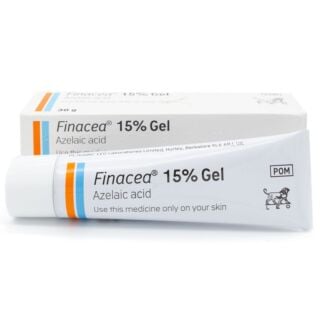
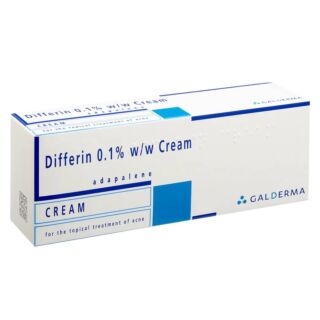
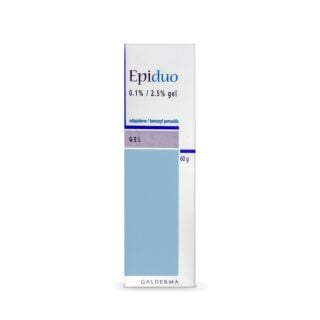
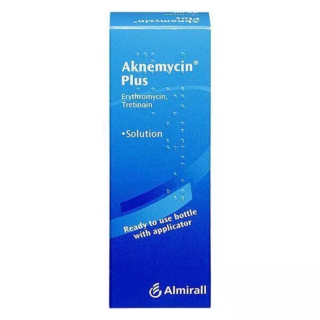
- Topical retinoids: These clear away dead skin cells so they can't build up in your hair follicles. Prescription retinoids, like adapalene (Differin gel and cream) and tretinoin, work in the same family as retinol but are stronger. Topical retinoids aren't suitable in pregnancy, so tell your pharmacist or GP if you're pregnant or planning to be.
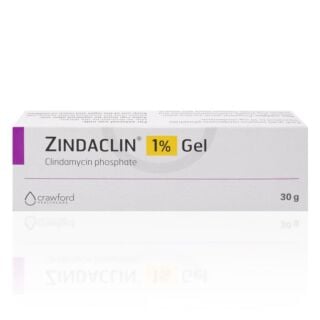
- Topical antibiotics: These kill the bacteria on your skin that react with oil and dead skin cells. Only use them for the length of your course (usually 6-8 weeks), as longer use risks antibiotic resistance.
- Azelaic acid: This clears dead skin cells and kills bacteria on your skin. It's a handy alternative if retinoids or antibiotics cause too many side effects.
- Salicylic acid: An acid exfoliator that unblocks pores. It can cause irritation and make your skin more sensitive to the sun, so start slowly and wear sunscreen.
Acne spot treatments
Just got the odd breakout? An acne spot treatment targets individual spots, so you don't need to treat your whole face.
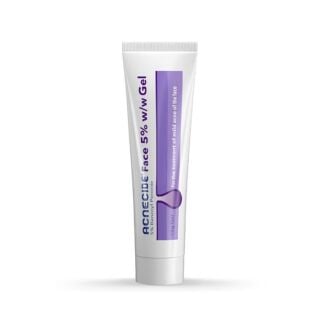
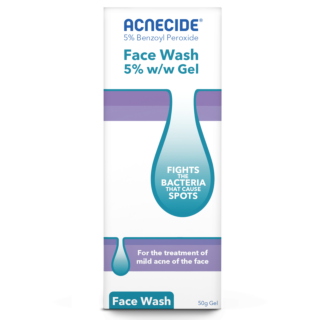
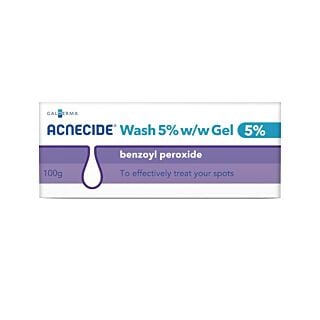
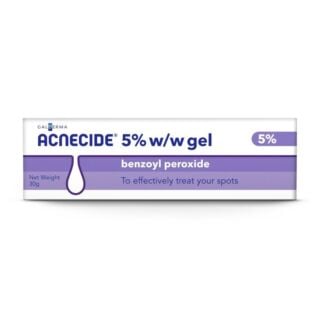
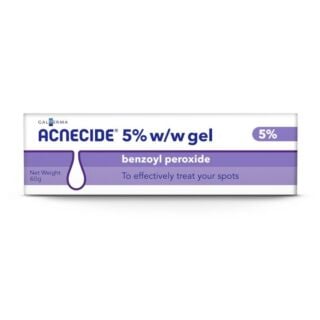
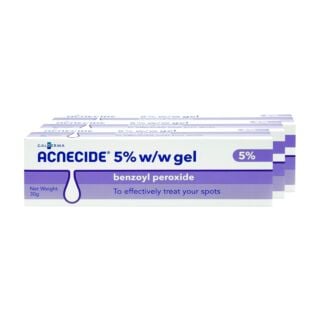
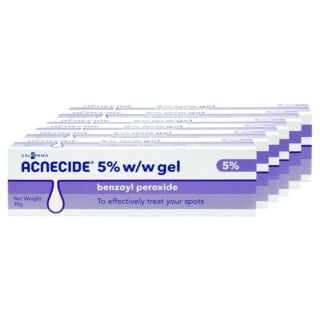
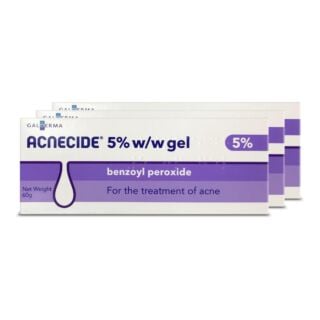
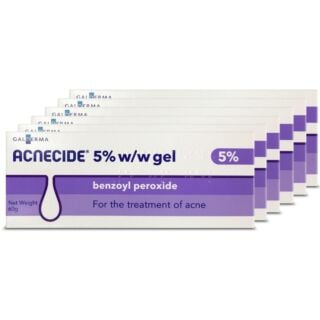
Our spot treatment range for pimples includes Acnecide face gel spot treatment and Acnecide face wash spot treatment, with both containing the active ingredient benzoyl peroxide.
Oral treatments
If your acne is more severe, or topical treatments haven't worked, your GP or doctor may suggest acne tablets, like:
- Oral antibiotics: Antibiotics for acne are usually taken alongside a topical treatment. Tetracyclines are the most common choice. If you're pregnant or breastfeeding, you'll more likely be offered erythromycin, which is considered safer.
- Hormonal therapies: The combined oral contraceptive pill (containing oestrogen and progestogen) is often prescribed for women. It lowers the androgens (like testosterone) linked to acne.
- Co-cyprindiol: A hormonal treatment for more severe acne that hasn't responded to antibiotics. It reduces how much oil your skin makes.
- Isotretinoin (Roaccutane): For severe acne that hasn't improved with other treatments. It reduces oil, stops follicles clogging, cuts down skin bacteria, and eases redness and swelling.
Non-pharmaceutical treatments
- Photodynamic therapy: Laser and light therapy can help to improve the appearance of acne scarring. It delivers heat to the scarred collagen beneath your skin, encouraging your body to heal and grow new, healthy skin.
- Comedone extractor: A small, pen-shaped tool that removes the dead skin and oil clogging a pore.
- Chemical peels: A chemical solution is applied to your face so the top layer of skin peels away and is replaced by fresh skin.
Self-care techniques
A few simple habits can stop your acne from getting worse:
- Wash your face daily with warm water and a gentle cleanser.
- Wash no more than twice a day, as more can irritate your skin.
- Wash your skin after you sweat.
- Don't pop, pick, or squeeze spots. It can make them worse and cause permanent scarring.
- Choose water-based makeup and skincare over oil-based products, as they're less likely to block your pores.
- Avoid skincare with alcohol, astringents, toners, and exfoliants, which can irritate your skin.
- Remove your makeup completely before bed.
- Use a fragrance-free, water-based emollient.
- Wash your hair regularly and try to keep it off your face.
Over-the-counter vs prescription acne treatment
Some acne treatments you can pick up yourself, while others are available over-the-counter or by prescription. This table shows which is which.
| Treatment | Pick it up yourself | Over-the-counter | Prescription-only |
| Retinol skincare | Yes, for lower strengths | Yes, for higher strengths (Differin gel and cream) | |
| Benzoyl peroxide gels, washes, and spot treatments | Yes (Acnecide) | ||
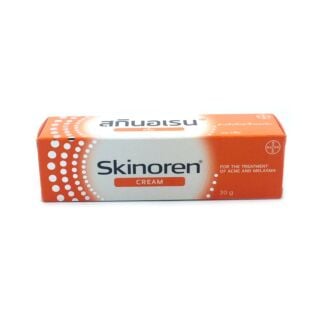
| Azelaic acid | Yes, for lower strengths | Yes, for strengths up to 10-12% | Yes, for strengths up to 15-20% (Finacea and Skinoren) |
| Salicylic acid | Yes, for lower strengths | Yes, for higher strengths | |
| Topical and oral antibiotics | Yes | ||
| Hormonal treatments (combined pill) | Yes | ||
| Isotretinoin (Roaccutane) | Yes, and only prescribed by a specialist |
How Chemist4U can help
Not sure where to start? We stock plenty of over-the-counter acne treatments, and our pharmacists can tell you whether a prescription option might suit you better. If your acne isn't improving, or you'd like advice tailored to you, complete a quick online consultation, and we'll help you find the right treatment.
Sources
- Acne Vulgaris: Prevalence. (2026). NICE Clinical Knowledge Summaries. [Accessed 20th October 2026].
- Acne Vulgaris: Definition. (2026). NICE Clinical Knowledge Summaries. [Accessed 20th October 2026].
- Acne. (2026). NHS Inform. [Accessed 20th October 2026].
- Acne Vulgaris. (2026). StatPearls, NCBI Bookshelf. [Accessed 20th October 2026].
- Acne. (2023). Cleveland Clinic. [Accessed 20th October 2026].
- Acne. (2026). NHS. [Accessed 20th October 2026].
- Acne: Symptoms and Causes. (2024). Mayo Clinic. [Accessed 20th October 2026].
- Azelaic Acid. (2022). DermNet. [Accessed 20th October 2026].
- Topical Retinoids. (2025). British Cosmetic Dermatology Group. [Accessed 20th October 2026].
- Diet and acne: A systematic review. (2022). PubMed. [Accessed 20th October 2026].

Free delivery when you spend over £39

100% discreet delivery for every item ordered

Fully regulated UK pharmacy



What causes acne?
Acne can be caused by a variety of reasons, but the most common cause is a change in hormone levels.
This is why acne is most common in teenagers, during pregnancy, and at different times during your menstrual cycle.
Hormonal changes can cause the glands next to hair follicles to produce more oil (sebum) than normal, which can change the activity of a normally harmless bacterium to become aggressive and cause inflammation and pus.
Acne can cause different types of spots to develop on the face, back and chest including:
- Blackheads: bumps that are small and black or yellowish in colour
- Whiteheads: similar to blackheads, but may be firmer and won’t be empty when squeezed
- Papules: small red bumps that may feel tender or sore
- Pustules: similar to papules, but with a white tip in the centre that is caused by a build-up of pus
- Nodules: large hard lumps that can be painful
- Cysts: large pus-filled lumps that look similar to boils and carry the greatest risk of causing permanent scarring
What is acne?
Acne is a skin condition that can happen to anyone but is especially common in children and young adults.
Acne happens when the glands in the surface of your skin start to produce too much of an oil named sebum, which can clog your follicles, causing spots, whiteheads, blackheads, and more.
It’s caused by hormonal changes, like those that happen during puberty, pregnancy, or throughout your period.
When you have acne, your skin will produce too much oil or sebum, which then clogs your pores and causes breakouts.
When combined with this excess oil, the bacteria that live on your skin can get aggravated, causing redness and inflammation alongside the spots and this whole combination can be sore and irritating.
Acne can be mild, causing just a few spots and blackheads, but can range all the way to severe acne, which can cause large, painful papules, cysts, and nodules on top of everything else.
Although people think acne is all about breakouts of spots, there are a couple of other symptoms you may experience when you have acne, including oily skin, or skin that’s sore or hot to touch.
Acne usually appears on your face, chest, or back, and it can be tempting to squeeze the spots that appear there, but you should resist the temptation and use an acne treatment to help you manage your condition effectively and avoid scarring.
Can I use hydrocortisone cream for acne?
Hydrocortisone cream usually isn’t the best treatment for acne and it shouldn’t be used on the face unless you’re specifically told to by your doctor.
This is because steroid creams like hydrocortisone can sometimes be too strong for the delicate skin of your face, and can cause skin damage or make your acne worse.
If you’re suffering from acne and think that hydrocortisone cream could help, you should speak to your doctor.
They’ll examine your acne and determine whether hydrocortisone cream would be right for you, or whether you should use a different treatment.
Can vitamin supplements cause acne?
Vitamin supplements don’t cause acne.
Acne is a skin condition caused by hormonal changes in your body, like those during your period or when you’re pregnant.
Although some vitamins can help to support healthy skin, they don’t affect your hormones, so they shouldn’t affect your acne.
If you have acne and have found that normal skincare routines haven’t helped, we recommend speaking to your doctor or pharmacist for advice.
They could recommend a treatment like benzoyl peroxide that can help to ease moderate to severe breakouts.
Can you treat acne with vitamin B12?
It’s not recommended to treat your acne with vitamin B12; in fact, a 2015 study revealed that it may cause acne by altering the bacteria that live on the skin.
Although it’s uncommon to break out due to vitamin B12, if you’re looking for a vitamin to treat your acne, this isn’t the one - vitamin B12’s main benefit is keeping your blood and nerve cells healthy.
How do I get rid of acne scars?
Acne scars are usually permanent unless you opt for cosmetic surgery to remove them.
These types of procedures are usually only available on the NHS if the scarring is causing serious psychological distress.
Treatments for acne scars include dermabrasion (removing the top layer of skin), laser treatment or surgical removal.
How do you use tea tree oil for acne?
If you want to use tea tree oil for your skin or to soothe spots or mild acne, then you can pick up some pure tea tree oil or use skin care products that contain tea tree oil.
If you decide to use pure tea tree oil for your skin, we’d recommend putting a couple of drops onto a cotton wool ball or cotton bud and using this to apply the tea tree oil directly to the area you wish to treat.
If you find that undiluted tea tree oil is too harsh on your skin, dilute 25 – 30 drops of the oil in 100ml of water and use this solution on your skin instead.
Do not apply tea tree oil to broken, inflamed, or infected areas of skin.
What are acne scars?
Acne scarring is common when the most serious types of spots (nodules and cysts) burst and damage nearby skin.
Scars can also occur if you pick or squeeze your spots, so it’s important to avoid doing this if you’ve currently got active acne.
What type of acne do I have?
There are several types of acne, including:
- non-inflammatory
- hormonal
- cystic
- fungal
The spots you have and where they appear can give you a clue, but a GP or pharmacist can always help you confirm it.