Diarrhoea is a common side effect of Mounjaro, especially when starting treatment or increasing your dose. While it can be unpleasant, it usually settles as your body gets used to the medication.
This guide covers what causes Mounjaro diarrhoea, how long it lasts, and how to manage it at home, including when to speak to a healthcare professional.
Three key takeaways
Experiencing diarrhoea with Mounjaro is very common, and it’s caused by changes to how food moves through your digestive system.
Staying hydrated and making small changes to what and how you eat can help manage symptoms. Rehydration sachets may also be useful.
Speaking to a healthcare professional can help if symptoms are severe, last longer than expected, or become difficult to manage.
Does Mounjaro cause diarrhoea?
Yes, Mounjaro can cause diarrhoea, but not everyone who takes it will experience it. Some people might even experience constipation with Mounjaro instead, as it can affect people in different ways.
Diarrhoea is most likely to happen when you first start treatment or after increasing your dose. For many people, symptoms become less noticeable as their body gets used to the medication and their treatment progresses.
Slows stomach emptying, meaning food stays in your stomach for longer. This can affect how quickly waste moves through your bowel and how much water is absorbed, leading to softer or looser stools.
Changes how your gut handles food and fluids, which can affect the texture and frequency of your bowel movements.
Changes your appetite and eating habits, which may mean your body is adjusting to different portion sizes or types of food.
While Mounjaro itself is the main cause, some foods can irritate your digestive system or make diarrhoea worse, especially while your body is getting used to treatment.
You may find it helpful to limit:
High fat foods, like fried foods, takeaways, fatty meats, and creamy sauces, as these can be harder to digest.
Spicy foods, which may irritate your stomach and worsen digestive symptoms.
Large portions, as eating too much at once can put extra pressure on your digestive system.
High-fibre foods, like beans, lentils, wholegrain bread, and some raw vegetables, can increase bowel movements for some people.
Sugary foods and drinks, including sweets, fizzy drinks, and some fruit juices, can draw extra water into your intestines and worsen diarrhoea.
Alcohol and excess caffeine can irritate your digestive system and contribute to dehydration.
Keeping a food diary can help you identify any personal triggers and understand which foods your body tolerates best while taking Mounjaro.
Mounjaro diarrhoea usually lasts anywhere from a few days to a couple of weeks as your body adapts to treatment.
In most cases, symptoms are mild to moderate and improve on their own without needing medical treatment. Diarrhoea is often most noticeable during the first few weeks of treatment or after a dose increase.
If your symptoms are severe, getting worse, or continuing for longer than expected, speak to your healthcare provider for advice.
4 tips for treating for Mounjaro diarrhoea
Most of the time, people recover from Mounjaro diarrhoea within a few days, without needing treatment. If you’re worried about it or you’re struggling to manage it, our clinicians can help you prevent and stop it.
Make sure to stay hydrated
“Drinking plenty of fluids is one of the most important things you can do when you have diarrhoea.
“Loose stools can cause your body to lose water and important minerals called electrolytes. If these aren't replaced, you could become dehydrated, with symptoms that may include feeling thirsty, dizziness, headaches, fatigue, dark pee, and peeing less often.
“Aim to drink regular small sips throughout the day rather than large amounts at once. Water, sugar-free squash, herbal teas, and oral rehydration sachets can all help to ensure you stay hydrated.”
Eating smaller, more frequent meals can be easier on your digestive system than eating large meals.
Try eating slowly and stopping when you feel comfortably full. Large portions can sometimes make digestive symptoms worse, particularly while you're adjusting to Mounjaro.
It may also help to avoid eating late at night and to give yourself time to digest meals before lying down.
Change what you eat
Certain foods can irritate your digestive system and make diarrhoea worse. While symptoms settle, try limiting:
spicy foods
greasy or fried foods
highly processed foods
very rich meals
alcohol
excess caffeine
You may also benefit from choosing lower-fibre foods for a short period if your symptoms are particularly troublesome.
Examples include:
white bread
white rice
pasta
noodles
skinless potatoes
cooked vegetables without skins
ripe bananas
peeled fruit
fruit juice
Soft, easy-to-digest foods can also help, including:
mashed potatoes
yoghurt
jelly
white fish
plain crackers
toast
Once your symptoms improve, you can gradually return to your usual balanced diet.
Consider anti-diarrhoea treatments
Over-the-counter anti-diarrhoea medicines can help if symptoms are affecting your daily activities.
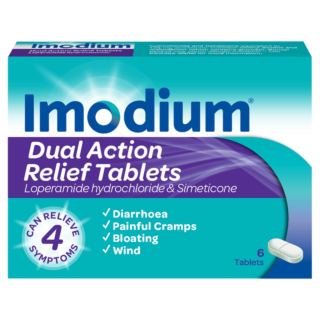
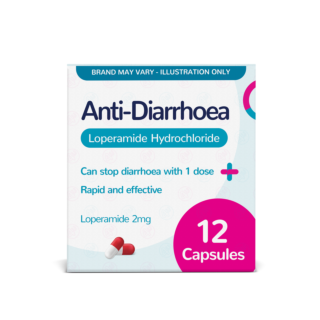
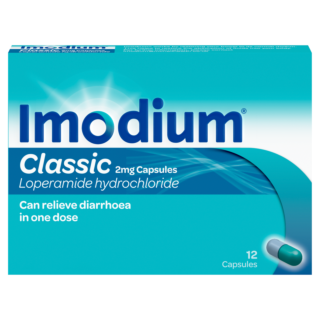
Loperamide, which is the active ingredient in Imodium, works by slowing bowel movements and allowing more water to be absorbed from the stool.
You won't usually need medication for Mounjaro diarrhoea, but it can be useful for short-term symptom relief. Always read the patient information leaflet and speak to a pharmacist if you're unsure whether it's suitable for you.
Dealing with sulphur burps and diarrhoea on Mounjaro
Sulphur burps and diarrhoea often occur together because they're both linked to the way Mounjaro affects digestion.
Sulphur burps can taste or smell like rotten eggs and are a commonly reported digestive side effect alongside nausea, bloating, trapped wind, and diarrhoea.
To help manage both symptoms:
eat smaller meals more frequently
avoid fatty, greasy, and spicy foods
limit fizzy drinks
eat slowly and chew food thoroughly
stay hydrated throughout the day
avoid lying down immediately after eating
If sulphur burps and diarrhoea are severe, persistent, or affecting your ability to eat and drink normally, speak to your prescriber.
When to speak to a doctor about Mounjaro diarrhoea
If you’re taking Mounjaro and have diarrhoea, the following symptoms are red flags that mean you should speak with a doctor:
your watery stools happen frequently or are severe
they last for more than a week
you have blood in your stool. This may mean they’re dark or black
you’re also vomiting and can’t keep fluids down
you have an ongoing, severe bellyache
you’ve unintentionally lost weight
diarrhoea occurs at night and disrupts your sleep
you have symptoms of dehydration, such as passing less urine than usual or feeling drowsy, light-headed, and dizzy
How Chemist4U can help with Mounjaro diarrhoea
If diarrhoea is making it difficult to continue your Mounjaro treatment, our clinical team can help.
We can provide advice on managing common side effects, recommend suitable over-the-counter treatments (if appropriate), and review your symptoms to make sure they’re not a sign of something more serious.
If side effects are becoming difficult to manage, we can also discuss whether your current dose is right for you and whether moving down to a lower dose might suit you better.
And remember, don't stop taking Mounjaro without speaking to a healthcare professional first.
Frequently asked questions about Mounjaro diarrhoea
Can you take Imodium for Mounjaro diarrhoea?
Yes, Imodium can usually be taken to help manage short-term diarrhoea while using Mounjaro. It works by slowing down movement in the gut, giving your body more time to absorb water from stools and helping to make them firmer.
However, it's important to follow the instructions in the patient information leaflet and speak to a pharmacist or clinician if your symptoms are severe, persistent, or keep coming back.
What drink stops diarrhoea fast?
There isn't a drink that stops diarrhoea immediately. But things like water and oral rehydration sachets can help to replace lost fluids and electrolytes, reducing the risk of dehydration while your symptoms improve.
Avoid excessive alcohol, caffeine, and sugary drinks, as these can sometimes make diarrhoea worse by dehydrating you further.
Can Mounjaro cause constipation?
Yes, constipation is another common digestive side effect of Mounjaro. While some people experience diarrhoea, others find their bowel movements become less frequent or harder to pass.
Drinking plenty of fluids, staying active, and eating enough fibre can help reduce the risk of constipation.
Chemist 4 U uses cookies (and other techniques) to enhance your shopping experience.
Read more about our cookie policy, terms and conditions and privacy statement. By continuing on this site and accepting our cookies you agree to the collection of information on this basis by us and by third parties on the platform as well as direct email marketing. Please customise your cookie settings below.
Find out more about our data policies.