Hormonal acne is a type of acne where breakouts are caused by high levels of androgen hormones, particularly testosterone. It’s very common in puberty, but often also continues into or starts in adulthood due to a range of factors that cause hormonal changes, like the fluctuation of oestrogen and progesterone during the menstrual cycle.
While it’s a very normal problem, it can be irritating and even affect your mood and confidence. In this guide, you’ll learn how to tell if your spots are hormonal acne, the different causes, and the best treatments to tackle these types of breakouts.
Three key takeaways
Hormonal acne happens when high androgen levels in both men and women cause your body to produce more oil, which gets trapped under your skin and results in breakouts on your face and body.
While most commonly associated with hormonal surges in puberty, it’s also frequently seen in adults because of factors like genetics, periods, pregnancy, menopause, and polyendocrine metabolic ovarian syndrome (PMOS), formerly known as PCOS.
Treatments include over-the-counter and prescription products that unclog your pores and fight breakouts. Hormone-based medications like the combined contraceptive pill are sometimes prescribed alongside topical treatments to tackle the underlying cause of this acne.
What is hormonal acne?
Hormonal acne is a type of acne triggered by changes in your body’s hormone levels, particularly androgens like testosterone that cause you to produce excess oil. This oil, called ‘sebum,’ is made and released by parts of your skin called sebaceous glands, which are found in hair follicles. The oil gets trapped on your skin along with sweat and dirt, clogging your pores and causing breakouts.
It’s very common during puberty because that’s when these hormones surge in both men and women, with up to 90% of teenagers experiencing some type of acne.
But it also often crops up throughout adulthood, especially during pregnancy, menopause, times of stress, and if you have a medical condition like polyendocrine metabolic ovarian syndrome (PMOS). This is sometimes called ‘adult acne,’ although it’s still a type of hormonal acne.
Because it’s linked to your body chemistry, hormonal acne isn’t as easy to avoid as other types of breakouts that might come from outside factors like bacteria, clothing, sweat, or make-up. But there are plenty of options to help you manage it, and the best treatment for you will depend on your age, sex, and life circumstances.
Hormonal spots can look just like other types of acne, so it might be hard to figure out if your breakouts are driven by hormones or other things.
However, hormonal acne has some traits that make it easier to spot. It often causes deeper spots under the skin, called cysts and nodules, along with whiteheads and blackheads that appear on the skin’s surface. These deeper spots can be painful and cause redness and inflammation both on the spot itself and the surrounding area.
Another sign that your acne is hormonal is its location. Hormonal acne is more likely to appear on your lower face (like cheek and chin breakouts) and your upper body – particularly your back, chest, neck, and shoulders – because these areas have more sebaceous glands.
While other types of acne can also appear in these places, the combination of the type of spots you experience and where they are on your body can strongly point towards a hormonal cause.
What causes hormonal acne?
Hormonal acne is the result of androgens causing your body to produce extra oil, which mixes with sweat and dirt to form spots under and on the surface of your skin.
Teenagers
Teenage acne is thought to be triggered by increased testosterone during puberty. Testosterone is an androgen made by both men and women, and it ramps up during your teenage years as your body develops into adulthood. This increased testosterone triggers excess oil production that turns into spots.
Because teenage boys experience a bigger increase in testosterone during puberty, hormonal acne can affect boys more than girls during this time. This often changes in adulthood as women’s testosterone levels are more prone to fluctuation.
Adults
Although hormonal acne is often associated with puberty, up to 20% of people experience breakouts in adulthood, too. In both men and women, androgens can spike due to exercise, genetics, high stress, skin sensitivity, and some medications like testosterone-based steroids. You might have hormonal acne that starts in puberty and continues into adulthood, or you might experience it for the first time as an adult.
While hormonal acne is common in both men and women, it may affect women more in adulthood because their hormones go through more fluctuations. This can be down to:
your menstrual cycle, especially the week before your period as androgen levels rise and oestrogen and progesterone drop
menopause
pregnancy
polyendocrine metabolic ovarian syndrome (PMOS), previously called PCOS
The endocrine condition PMOS, previously called polycystic ovarian syndrome (PCOS), is a frequent culprit of hormonal acne because women with this condition tend to have more androgens and hormonal fluctuations. Insulin resistance, where the body doesn’t respond properly to the hormone insulin, is common in PMOS and is linked to hormonal acne because it also causes too much oil secretion.
PMOS can be hard to diagnose, and many women don't know they have the condition. Alongside acne, symptoms of PMOS include irregular periods, facial hair (hirsutism), difficulty losing weight, and trouble getting pregnant. If you think you might have PMOS, speak to a GP about a potential diagnosis.
Perimenopause and menopause
During menopause and perimenopause (the phase where you experience menopausal symptoms before your periods stop), androgen levels rise as oestrogen and progesterone sharply drop. This combination causes extra oil production and can lead to breakouts, even if you’ve never had acne before.
Hormone replacement therapy (HRT) tops up falling hormones and is often prescribed to help ease some of the other symptoms of menopause, like hot flushes, low mood, and vaginal dryness. Because it regulates your hormone levels, especially oestrogen, it can also help to relieve hormonal acne brought on by this stage of life.
How can you treat hormonal acne?
Hormonal acne treatments are the same ones used for other acne, with hormonal options added when acne keeps returning. The following table highlights some common and effective acne treatments:
Personalised treatment that may include prescriptions to tackle both breakouts and the underlying hormonal causes
Anyone aged 12 and up
Maybe, depending on treatment
Varies
Over-the-counter treatments
Products containing benzoyl peroxide (like Acnecide) or salicylic acid (like Clearasil) are common over-the-counter acne treatments that kill the bacteria causing your breakouts and help to unblock pores. Witch hazel is a natural ingredient often used as a first-line acne treatment, although it’s shown to be less effective than benzoyl peroxide and salicylic acid.
Over-the-counter acne products treat the spots themselves rather than the underlying hormonal cause. But they’re an accessible and effective first-line treatment to help to clear your skin, whether your acne is hormonal or from another cause.
Prescription treatments
For more stubborn acne that doesn’t respond to over-the-counter treatments, several prescription options are available:
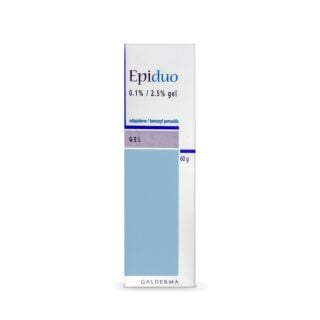
Adapalene stops early breakouts from turning into visible spots, soothes the skin, and helps your cells renew so your pores don’t get clogged. Products include Differin Gel and Epiduo.
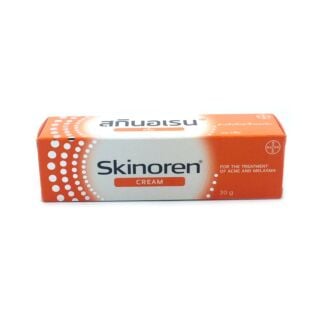
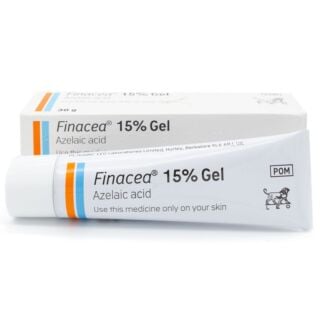
Azelaic acid breaks up clogged pores and reduces inflammation. Products include Skinoren and Finacea.
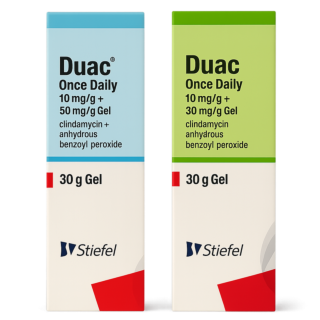
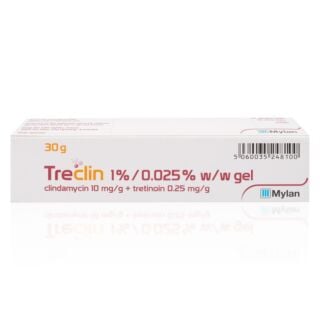
Clindamycin is an antibiotic that kills acne-causing bacteria. It’s often combined with other acne-fighting ingredients like benzoyl peroxide (Duac) and tretinoin (Treclin) for maximum benefits.
If you’re interested in trying one of these prescription treatments for hormonal acne, you’ll first need a consultation with one of our experts. Hormone-led treatments like the contraceptive pill (discussed in the section below) are often paired with topical prescriptions and also require a consultation. Our pharmacists can only prescribe acne treatments if you’re aged 16 and above.
Hormonal acne isn’t a matter of poor hygiene or bad habits, but some skincare and lifestyle changes can help to reduce your breakouts. Top tips include:
Gentle cleansing twice a day, in combination with one of the over-the-counter or prescription treatments described above.
Don't pick or squeeze your spots, as this pushes bacteria deeper under the skin’s surface and can cause scarring.
Use skincare and make-up products specifically formulated to be less likely to clog pores (non-comedogenic).
Some people report that eating less sugar and avoiding dairy helps their acne, possibly because these foods cause insulin spikes that can trigger more oil production. However, these claims have weak scientific evidence.
Can the contraceptive pill help hormonal acne?
Combination contraceptive pills that contain both oestrogen and progestogen may help hormonal acne in women as they regulate the hormones that cause breakouts. Combined pills containing drospirenone, like Yasmin, can also be beneficial as they have an anti-androgen effect. There’s no evidence that a single hormone contraceptive pill, known as the ‘mini pill,’ is effective for acne.
“Combined pills aren't specific acne treatments, but some doctors prescribe them for hormonal acne, given the noticeable beneficial effect. They’re often paired with a topical treatment that directly targets breakouts, so both the spots themselves and the underlying hormonal fluctuations are addressed. If you’ve tried other acne treatments to no avail, speak to one of our experts about whether this option could be right for you.”
Hormonal acne pops up for a short period in some people, like during puberty, pregnancy or menopause. For others, it can last years or decades thanks to genetics, medical conditions like PCOS, and continual hormonal changes from your menstrual cycle.
Whether your acne is temporary or persistent, the treatment options described above can help clear your skin in as little as four weeks once you’ve found one that works for you.
When should you see a doctor about hormonal acne?
Consider seeing a doctor about your hormonal acne if:
you’ve tried several different treatments that haven’t worked
your spots are particularly deep, sore, or painful
your acne is covering a large surface area that makes it hard to apply topical treatment
you have signs of an infection, like hot, swollen, or red skin
How Chemist4U can help with hormonal acne
We have a range of hormonal acne treatments at Chemist4U, ranging from over-the-counter products to prescription topical treatments and contraceptives. Set up a consultation with one of our experts today to discuss your options and see how we can help.
For many people, hormonal acne doesn’t go away on its own because it stems from genetics or medical conditions that result in naturally high androgen levels. Even if it's caused by a specific time-limited life change like the menopause, pregnancy, or puberty, it can continue for months or years.
If your acne is affecting your confidence and keeping you from feeling your best – or you just want to clear those pesky spots – it might be time to consider treatments that target breakouts or address the underlying hormonal changes.
What’s the best contraceptive pill for hormonal acne?
Contraceptive pills with both oestrogen and progestogen (the combined pill) have been shown to reduce hormonal acne, with some containing additional acne-fighting ingredients like drospirenone. The right pill for you depends on many factors and can be decided in a consultation with one of our prescribing experts.
While hormonal acne often causes chin breakouts, it doesn’t always mean that’s behind the spots on your chin. Bacteria, certain medications, sweat, skincare, and make–up products can all also cause chin acne.
The type of spots you have, your genetics, and the location of other spots on your body can help you figure out if your chin breakouts are from hormonal acne or not.
Can stress cause hormonal acne?
Stress isn’t an underlying cause of hormonal acne, but it can trigger or worsen breakouts because it signals your body to make more oil-producing hormones, including androgens and cortisol. Reducing stress where possible can help keep your skin clearer, even if it doesn’t fully resolve your hormonal acne.
Chemist 4 U uses cookies (and other techniques) to enhance your shopping experience.
Read more about our cookie policy, terms and conditions and privacy statement. By continuing on this site and accepting our cookies you agree to the collection of information on this basis by us and by third parties on the platform as well as direct email marketing. Please customise your cookie settings below.
Find out more about our data policies.