While body breakouts are a common problem and usually aren’t anything to worry about, they can still hold you back from feeling your best. Fortunately, you have plenty of treatment options to tackle your body acne, from over-the-counter creams to prescription-only medication.
So, whether it’s hormones, sweaty workout gear, or certain skincare products causing your breakout, we can help you find a solution that’s right for your body.
In our expert guide, we cover why you get body acne, the best products to banish it, and how to contact one of our dedicated Chemist4U pharmacists about prescription options.
Three key takeaways
Body acne is a very common skin condition leading to spots in areas like your back, chest, and shoulders.
Body breakouts can be confused with irritation around where hair grows, known as folliculitis, in places like the bum and legs.
A range of body washes, creams, and gels can help get rid of body acne and folliculitis. You can also talk to one of our pharmacists for personalised advice and treatment.
What is body acne?
Body acne is a common skin condition affecting all ages and genders that causes breakouts and spots in places other than the face. It happens as a part of a natural process where your hair follicles and oil glands get clogged with oil, sebum, dead skin cells and bacteria. This leads to red or dark bumps, blackheads, whiteheads and pus-filled spots (pustules).
Body acne is mostly found in places where hair grows and where friction, heat and sweat are more likely to clog your pores, like where your clothes rub against your skin. This includes your:
chest
back
shoulders
bum
arms
Around 95% of people experience acne between the age of 11 and 30, and almost half of them also have body breakouts – so it’s a common condition and not normally something to worry about health-wise. However, if you do want to clear those pesky spots on your back or make your body acne less noticeable, there are plenty of treatment options out there.
Body acne is caused by many different bodily and environmental factors, including:
Hormone changes that cause your body to produce more oil, particularly in your teenage years and early adulthood.
Skin products like thick moisturiser, body oil, and shaving cream that can clog your pores and irritate your skin.
Sweat and heat leading to more dead skin cells and bacteria, especially when you’re working out.
Some medications and conditions that affect hormone levels and oil production, like polyendocrine metabolic ovarian syndrome (PMOS).
Who gets body acne?
“Body acne affects men and women equally. It often peaks when you’re a teenager, but lots of people experience body breakouts later into adulthood too.
“Everyone experiences body acne differently because of our specific skin and the amount of oil our body produces. These levels often depend on body chemistry, which is why teenagers experiencing hormonal changes and people with medical conditions like PMOS might get more body acne than others. Some people find eating a lot of dairy, refined sugars, or fried food leads to more breakouts, but more research is needed to establish this link.
“The amount you sweat and how much irritation your skin encounters also play a role because they can lead to more oil, dead skin cells, and bacteria building up in your pores. That’s why you might see body acne where your sweaty exercise gear has rubbed against you, or when you’ve been outside on a warm day.”
What we think of as body acne is sometimes actually folliculitis, where the areas that hairs grow from (hair follicles) get irritated. Folliculitis or ‘ingrown hairs’ appears as raised, itchy bumps and can happen anywhere that hair grows, especially the bum, armpits, legs, back, chest, and arms.
People often assume breakouts on the bum and legs are acne when they're more commonly folliculitis. They can be easy to mix up, but it’s important to know the difference so you can use the right treatment:
Acne
Folliculitis
Appearance
Mixed size and appearance, including red bumps, blackheads, and whiteheads
Raised red or dark bumps, sometimes with pus
Common areas
Face, forehead, chest, upper back, shoulders
Anywhere prone to sweat, heat, or shaving, especially the armpits, bum, and legs
Itching
Usually more tender than itchy
Often itchy, sometimes sore
Common triggers
Hormones, certain medications, clogged pores, genetics
Shaving, waxing, threading or plucking, irritation, heat, sweat
Warm compress and gentle cleansing, loose clothing, clean razors, avoid waxing or plucking the area
What are the best treatments for body acne?
If you want to get rid of body acne, there are plenty of research-backed products available to help keep spots at bay. The most effective ingredients include:
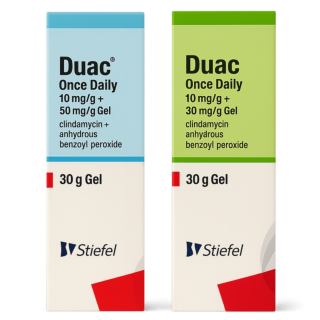
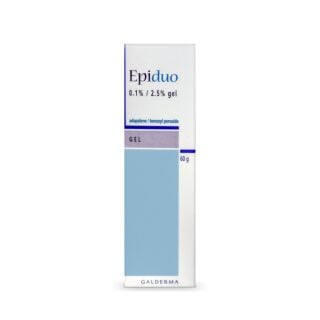
Benzoyl peroxide: an antiseptic medication that reduces acne-causing bacteria and unblocks pores. Products include Acnecide and combined benzoyl peroxide/clindamycin.
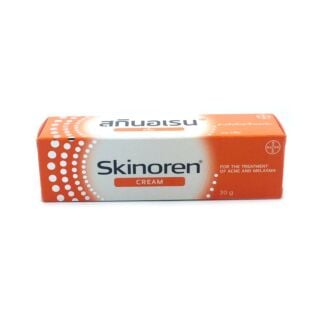
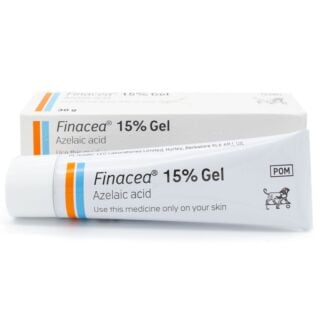
Azelaic acid: which breaks up clogged pores and reduces inflammation. Products include Skinoren and Finacea gel.
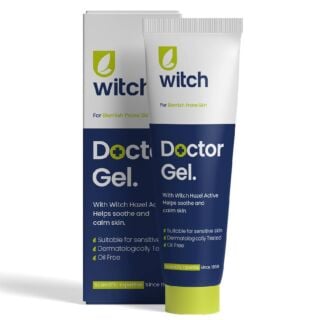
Witch hazel: a natural compound that may help remove excess oil and soothe some people’s skin. However, the evidence for witch hazel treating acne is more limited than for benzoyl peroxide and azelaic acid.
For folliculitis, an antibacterial wash can help keep areas like the bum and legs clean and free from pore-clogging bacteria. Resist the temptation to pop or fiddle with spots on your body as this causes scars and increases the risk of infection.
If you’ve tried several options but your body acne hasn’t improved, prescription options are available. Our pharmacists can help you find the right treatment for your body.
The chest is one of the most common places to get body acne. Spots on the chest are most often caused by:
Tight clothing like sports bras and backpacks allowing sweat and dead skin cells to build up.
Skin and hair products like moisturiser and conditioner clogging the chest pores.
Sweat can mix with oil and dead skin cells on the skin, contributing to clogged pores and irritation.
Hormones like testosterone and androgens naturally causing more oil in the glands on the chest.
Chest breakouts often go away when you use products containing ingredients like benzoyl peroxide, azaelic acid, or witch hazel. For tougher chest acne, prescription treatments with ingredients like erythromycin and tretinoin can be very effective.
How can you get rid of spots on your bum?
Spots on the bum can often be blamed on acne when the culprit is actually folliculitis. The hair follicles on your bum are more likely to get irritated or inflamed because:
The bum is often exposed to heat, sweating, and friction from clothing and prolonged sitting. There are also a lot of sweat glands in the area, making it susceptible to clogged pores and bacteria.
A lot of friction and chafing can happen around the bum from sitting down and from clothing like tight gym gear.
The bum is home to bacteria and yeast that can cause folliculitis and spots.
To get rid of bum breakouts, regularly cleanse the area with products that contain acne-fighting ingredients like benzoyl peroxide or salicylic acid. Prescription-strength creams and gels are also available through our pharmacy.
For bum folliculitis, we recommend pairing an antibacterial wash with wearing loose clothing, making sure your razors are clean and sharp, and avoiding hair removal methods like waxing, plucking, and threading.
What about back acne?
Back acne is so common that it’s got a dedicated nickname: bacne. Luckily, you can get rid of spots on your back using the same products that help fight acne on other parts of the body.
Check out our dedicated guide to back acne for more tips and treatment options.
When should you see a doctor about body acne?
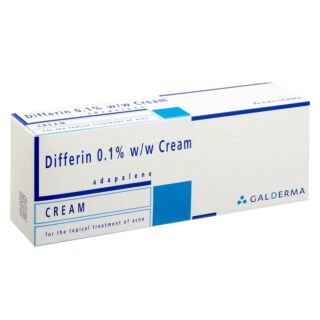
For persistent body acne that doesn’t want to go away, a pharmacist can help identify what’s behind your breakouts and prescribe targeted products with proven acne-busting ingredients. Common creams and gels include:
Whether you need a body wash to zap a few back spots or a prescription treatment for more persistent acne, we can help ease your body breakout woes. Browse our product range or complete a consultation to see if a treatment is appropriate for you.
Frequently asked questions about body acne treatment
Can stress cause body acne?
Yes, stress can cause body acne or make it worse. Stress hormones like cortisol and sex hormones like androgens can make the body produce more oil, which gets clogged in the pores and causes spots. Lowering stress levels is one way to treat body acne.
Does sweating make body acne worse?
Yes, sweat can worsen body acne because it traps oil, dirt, and dead cells on your skin. It can also encourage the type of bacteria that leads to folliculitis. You can help prevent body breakouts by showering shortly after exercising or sweating a lot.
Is body acne more common in men or women?
Body acne affects men and women roughly the same amount overall, although it changes with age. Research shows men tend to experience acne more persistently when they’re teenagers and in their early 20s, while women might have acne later into life.
Can you get body acne from tight clothing?
Friction from tight and rubbing clothes is one of the main causes of body acne and folliculitis, especially when combined with sweat. The tight clothing traps sweat, oil, and dead skin cells against the skin, encourages bacteria to grow, and irritates your hair folicules.
Keeping clean and wearing loose clothing can help reduce body acne and folliculitis, particularly in areas like the legs and bum.
Does body acne leave scars?
Body acne can leave scars or dark marks (hyperpigmentation), especially if you have picked at the spots. Ingredients like azaelic acid can help reduce body acne scars alongside directly clearing breakouts.
Chemist 4 U uses cookies (and other techniques) to enhance your shopping experience.
Read more about our cookie policy, terms and conditions and privacy statement. By continuing on this site and accepting our cookies you agree to the collection of information on this basis by us and by third parties on the platform as well as direct email marketing. Please customise your cookie settings below.
Find out more about our data policies.