Struggling with back acne can feel discouraging, particularly when spots are difficult to reach, slow to clear, or keep reappearing. The good news is that understanding what's causing your breakouts can make it easier to find an effective treatment.
In this guide, we'll cover the common causes of back acne, the treatments available, and simple steps you can take to help prevent future breakouts. You can also explore our range of acne treatments for additional support.
Three key takeaways
Back acne is caused by blocked pores and can be triggered by both biological and lifestyle factors.
Back acne can often be managed with good skincare habits and appropriate treatments.
Persistent, painful, or scarring back acne may require professional treatment.
What is back acne?
If you've noticed spots developing across your back, you're not alone. Back acne is a common skin condition that can affect people of all ages, from teenagers going through puberty to adults experiencing hormonal changes. Understanding why it happens can help you find the most effective way to manage it.
Back acne, often called 'bacne', is a skin condition that appears as blackheads, spots, or deeper inflamed bumps on the back. The back is one of the most common areas affected by acne, and spots on your back can be caused by a number of different factors.
Bacteria naturally live on everyone’s skin and don't usually cause any problems. However, if pores become blocked with excess oils and dead skin cells, bacteria can multiply and trigger inflammation. This can lead to red, swollen, and sometimes painful spots on the back.
Bacterial back acne may appear as:
papules (small, solid raised bumps)
pustules (small, raised bumps filled with pus)
nodules (hard, painful lumps that develop deeper beneath the skin)
cysts (large, inflamed spots filled with pus)
Hormonal acne
Hormonal back acne occurs when hormones stimulate the skin's oil-producing glands to produce more sebum. If too much oil is produced, pores can become blocked, creating the ideal conditions for acne to develop.
Hormonal acne often appears during puberty, when hormone levels naturally increase, but it can also affect adults.
Hormonal back acne may include:
blackheads (small, dark bumps)
whiteheads (small, closed, raised bumps)
What causes back acne?
Back acne can be frustrating, especially when it seems to appear without warning. In reality, there are several factors that can contribute to breakouts, ranging from excess oil production to everyday habits. Some of the most common causes of back acne include:
blocked hair follicles (caused by oil, dead skin cells, bacteria, sweat, and friction)
changes in hormone levels (like during puberty, pregnancy, periods, and menopause)
taking certain medicines
medical conditions
cosmetics and other skin products
The back also has a high density of oil-producing glands (sebaceous glands), making it especially prone to acne breakouts. These can be triggered by environmental and lifestyle factors, such as:
tight or synthetic clothing
exercise
humidity
sweat and friction from the use of rucksacks or sports equipment
Some haircare products, like conditioners and styling products, can run onto your back during washing and may contribute to blocked pores if they're not rinsed away properly. The back can also be harder to reach than other areas, allowing sweat, oil and dead skin cells to build up and trigger breakouts.
To help prevent this, try rinsing your hair upside down, washing your back after using hair products, and using a long-handled sponge or back brush to reach difficult areas.
Some body washes and other skincare products can also cause back acne or make it worse if they contain ingredients that block pores. If back acne is a recurring problem for you, choosing products that are less likely to block your pores (non-comedogenic) can help to support clearer skin and reduce future breakouts.
How can you treat back acne at home?
If you struggle with back acne that keeps coming back, it can feel like you’re fighting a losing battle. Luckily, there are a few simple changes you can make that might help to clear it up. Some easy self-care tips you can try include:
washing your skin twice a day using a gentle cleanser (avoid scrubbing your skin as this can irritate it and make acne worse)
wearing loose, breathable clothing (especially when exercising or sweating)
avoiding heavy, back-covering bags where possible
keeping conditioner off your back when rinsing your hair
avoiding picking or squeezing spots as this can cause scars
There are also various medications that can help treat acne which are designed to clear pores, reduce bacteria, and balance hormones.
If you think you might need to try medication to treat your back acne, a chat with one of our pharmacists can help you to figure out your best next steps.
What are the best treatments for back acne?
While back acne can be stubborn, there are plenty of treatment options available that may help reduce breakouts and improve your skin over time.
The best choice for you will depend on how severe your symptoms are and what's causing them. For back acne, a wash or spray medicine may be easier to apply to those hard-to-reach areas, rather than a gel.
Some of the most effective back acne treatments include benzoyl peroxide, witch hazel and azelaic acid, all of which target and treat acne in different ways. We've made a simple comparison table below:
Benzoyl peroxide
Witch hazel
Azelaic acid
What it does
Reduces the amount of bacteria on your skin
Soothes irritated skin and reduces the appearance of spots
Targets several factors that contribute to acne formation
Who it suits
Most adults and children aged 12 years or older
Most people, especially those with oily skin
Those with mild to moderate acne
Benzoyl peroxide
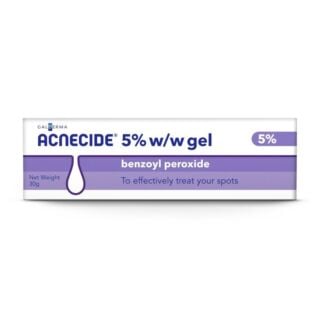
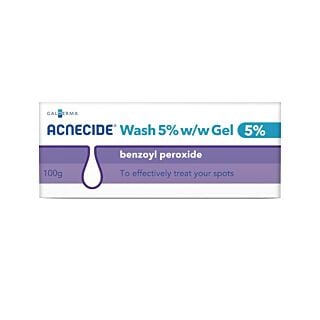
Benzoyl peroxide is a germ-killing (antiseptic) medicine that works by reducing the bacteria on your skin, which helps to improve the symptoms of acne. There are two main types of benzoyl peroxide, including a gel and a gel wash.
Most adults and children aged 12 years or older can use benzoyl peroxide. However, benzoyl peroxide isn’t suitable if:
you've had an allergic reaction to benzoyl peroxide
you have a skin infection
you have broken skin, cuts, or grazes
You should talk to your doctor or a pharmacist if:
you have any medical conditions
you're pregnant, become pregnant, or are breastfeeding
you're taking other medicines
Always read the patient information leaflet supplied with your medicine, as suitability can vary between different benzoyl peroxide products.
Witch hazel
Witch hazel is a traditional medicine (a nature-based, herbal remedy) with a long history of medicinal use. As a traditional medicine, witch hazel has less clinical evidence for treating acne compared with benzoyl peroxide, offering a gentler, more soothing option rather than a primary treatment.
Witch hazel is thought to work by causing your skin tissues to contract to help shrink pores, whilst also soothing your skin and relieving inflammation. This helps to prevent bacteria from infecting your skin, reducing acne formation.
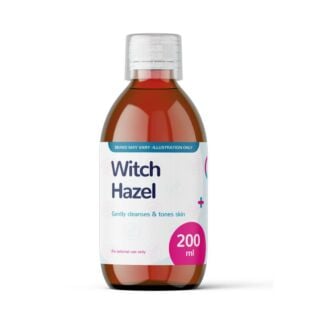
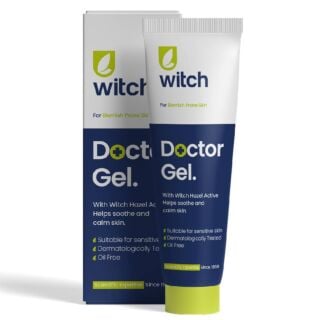
Witch hazel products are usually available as either a solution or a gel. Witch hazel solutions are a liquid, and are often used across larger areas of skin, whereas gels are thicker and may be easier to apply directly to individual spots or areas affected by acne.
If you're not sure whether witch hazel is suitable for your skin type or existing skin condition, you can speak to one of our pharmacists for advice.
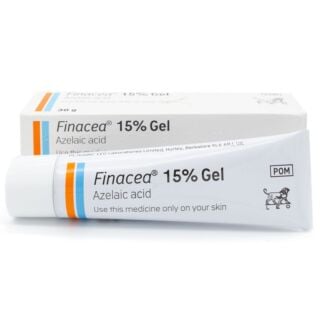
Azelaic acid
Azelaic acid is a chemical exfoliator suitable for those with mild to moderate acne. Working in several ways to help improve acne, azelaic acid:
reduces the growth of acne-causing bacteria on the skin
unclogs pores by removing acne blockages, trapped skin cells, oils, and other substances
reduces the redness and swelling associated with acne with its anti-inflammatory properties
How to use azelaic acid
To use azelaic acid, you should:
Gently clean and dry your skin.
Apply the cream/gel to the affected area.
Wash your hands afterwards.
The amount of azelaic acid you'll need to use will depend on the area you want to treat. You may also need a prescription, depending on the strength of the medicine.
Who shouldn’t use azelaic acid
Azelaic acid isn't suitable for everyone. Do not use it if you're allergic to azelaic acid or any of the other ingredients in the gel.
Before using azelaic acid, tell your clinician if you:
have very sensitive skin
have another skin condition affecting the treatment area
have asthma
are pregnant or breastfeeding
Always read the patient information leaflet supplied with your medicine, as suitability can vary between different azelaic acid products.
Back acne can be quite stubborn, and it's frustrating when it feels like it keeps coming back. It's important to be kind and patient with yourself when exploring how to get rid of back acne, and to set realistic expectations, as there's no overnight fix. Most treatments can take 4-8 weeks of consistent use before you might see an improvement.
How can you prevent back acne?
There are various steps you can take that can help to prevent back acne:
shower after exercising
wash your bedding and gym clothes regularly
use skincare products that won’t clog your pores (non-comedogenic)
avoid wearing tight or synthetic clothes
cleanse your skin daily
exfoliate your skin regularly, even if bacne isn’t present
Although back acne is common, it's not something you have to put up with if it's getting worse or affecting your confidence. While many cases of back acne can be treated at home, some symptoms may mean it's time to get extra support.
Some red flags to look out for include:
You've tried treating it yourself but it’s not getting better.
You have lots of spots, or the spots are deep, painful, or causing scars.
You have signs of a skin infection (such as hot, swollen, and red skin).
As a next step, a doctor or pharmacist may offer stronger treatments that you can only get with a prescription.
“While mild back acne can often be treated at home, it's worth speaking to your GP or prescriber if it isn't improving, causing pain or scarring, or you notice signs of infection. Prescription treatments may be needed to help get symptoms under control, and a pharmacist can talk you through your options in confidence."
From understanding what causes back acne to choosing the right treatment, managing breakouts can sometimes feel overwhelming. If you're feeling unsure about what to try next, our pharmacists are here to help. They can talk you through your options and help you find a treatment that works for you.
Frequently asked questions about back acne treatment
Can you get rid of back acne overnight?
Unfortunately, back acne isn't something that you can get rid of overnight. When using back acne treatment, it may take 4-8 weeks of consistent use before you see an improvement.
Is back acne caused by poor hygiene?
Back acne isn't caused by poor hygiene or even dirt on the skin. It's a result of pores becoming blocked and can be caused by several factors.
Can diet cause or worsen back acne?
There isn't currently enough research to prove a direct link between diet and back acne. However, if you notice that your acne gets worse after eating a certain type of food or drink, then it may be playing a part.
Does back acne go away on its own?
Mild back acne may go away on its own, particularly if it's linked to temporary causes such as sweating or hormone fluctuations. However, persistent or severe back acne may require treatment.
Can you get back acne from working out?
Working out can cause acne due to excessive sweating, as well as a build-up of oil, dirt, and bacteria on your skin. If you're looking for how to get rid of bacne, wearing loose clothing, showering after exercising, and washing clothes regularly may help to reduce breakouts.
Chemist 4 U uses cookies (and other techniques) to enhance your shopping experience.
Read more about our cookie policy, terms and conditions and privacy statement. By continuing on this site and accepting our cookies you agree to the collection of information on this basis by us and by third parties on the platform as well as direct email marketing. Please customise your cookie settings below.
Find out more about our data policies.