It's the height of summer, the sun is out, and you're reaching for yet another tissue.
Is it the common cold or hay fever? Whether you're sneezing your way through a BBQ or struggling to get through the working day, feeling unwell during the warmer months is never ideal.
Thankfully, there are some clear ways to tell the two apart. Let's walk through everything you need to know about each one, so you can work out what's going on and start feeling better sooner.
Three key takeaways
Hay fever and a cold share many of the same symptoms, but hay fever is caused by an allergic reaction to pollen, not a virus.
Feeling itchy and symptoms that ease indoors are telltale signs of hay fever. Unlike a cold, which clears up within 7-10 days, hay fever can last for weeks or months.
The right treatment depends on whether you have hay fever or a cold, so getting the diagnosis right is the first step to feeling better.
Common cold vs hay fever at a glance
Common cold
Hay fever
Cause
Viral infection
Allergic reaction to pollen
Contagious
Yes
No
Time of year
Anytime, but more common in winter
Spring and summer (hay fever season)
Duration
7-10 days
Weeks to months
Symptoms improve indoors
No
Yes
Sneezing
Yes
Yes
Runny nose
Yes, thick and coloured
Yes, watery and clear
Congestion
Yes
Yes
Loss of smell
Yes
Yes
Itchy eyes, ears, nose, mouth, throat
No
Yes
Red, watery eyes
Sometimes
Yes
Sore throat
Yes
Sometimes (caused by postnasal drip)
Cough
Yes, usually productive (chesty)
Yes, usually dry
Headache
Yes
Yes
Sinus pain
Yes
Yes
Fever
Sometimes, more common in children
No
Body aches
Yes
No
Fatigue
Yes
Yes
What’s the difference between a common cold and hay fever?
“They might feel similar, but a common cold and hay fever are caused by very different things.
“A cold is a viral infection. When a virus enters your body, your immune system fights back, and it's that response that causes your symptoms. Sneezing, a runny nose, and feeling run down are all signs that your body is working hard to clear the infection.
“Hay fever, on the other hand, is an allergic reaction. When pollen enters your airways, your immune system mistakenly treats it as a threat and releases a chemical called histamine, which triggers hay fever symptoms like sneezing, itching, and congestion.
“While both can cause symptoms that overlap, one is caused by a virus, and the other by an allergic reaction.”
How to tell the difference between hay fever and a cold
If they’re so similar, you might be wondering how you can tell a cold and hay fever apart. But there are a few telltale signs to look out.
Start by asking yourself these questions:
How quickly did your symptoms appear? Colds tend to develop gradually over a day or two, whereas hay fever symptoms appear almost instantly after being outdoors.
How long have you been feeling unwell? A cold will usually clear up within 7-10 days. If your symptoms have been lingering for weeks, hay fever is a more likely cause.
Do you feel itchy? Itchiness in the eyes, ears, nose, mouth, and throat are classic signs of hay fever and not a cold.
Do your symptoms change depending on where you are? Feeling worse outdoors or on high pollen count days, and better when you're inside with the windows closed, points strongly towards hay fever.
Do you have body aches? These are common with a cold but don’t occur with hay fever. If you're feeling achy or running a temperature (fever is more common in children), you've most likely picked up a virus.
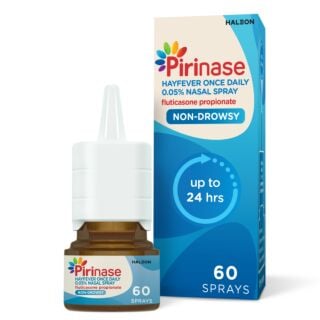
Antihistamine nasal sprays: azelastine (Rhinolast) provides fast-acting relief from sneezing and a runny or itchy nose. Available after a short consultation.
Dual-action nasal sprays:azelastine and fluticasone (Dymista) combines an antihistamine and a steroid in one spray for maximum relief. Available after a short consultation.
Other nasal sprays: saline nasal sprays like NeilMed NasaMist simply contain salt water, helping to flush out pollen and mucus.
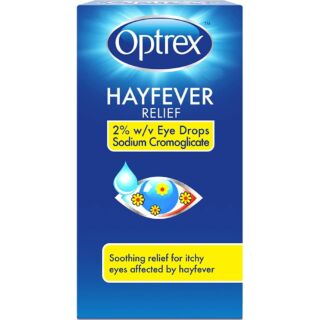
Eye drops: sodium cromoglicate (Optrex, Murine) is specially formulated to soothe itchy, red, and watery eyes.
While there's no overnight cure for a cold, the right remedy can make a difference.
Whether you're after something to ease aches and pains or clear a blocked nose, we'll help you get rid of a cold fast with our range of trusted treatments.
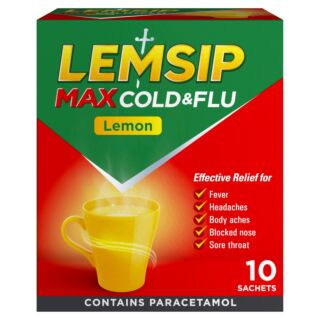
Hot drink sachets:Lemsip and Beechams are both hot drink sachets designed to get you through the worst of a cold. Lemsip combines paracetamol and a decongestant to tackle headaches, fever, and a blocked nose, while Beechams uses aspirin and caffeine to relieve pain and keep you feeling alert.
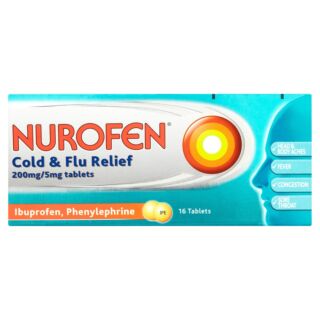
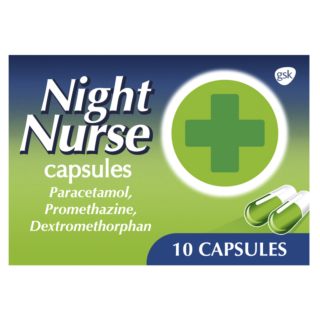
Pain relief:paracetamol and ibuprofen (Nurofen) can help to bring down a fever and relieve aches and pains. Choose tailored cold and flu remedies, like Nurofen Cold and Flu Relief Tablets. If you need nighttime relief, Night Nurse contains paracetamol alongside a drowsy antihistamine and cough suppressant, helping to ease your symptoms and send you off to sleep.
Decongestants: xylometazoline (Otrivine, Sudafed) and oxymetazoline (Vicks) nasal sprays help to quickly clear a blocked nose and ease sinus pressure. If you prefer a tablet or capsule, Sudafed's decongestant tablets are a good alternative.
Sore throat remedies:Difflam and Strefen lozenges help to soothe a sore or irritated throat, with Difflam also available as a spray or rinse.
“Always check the ingredients and patient information leaflet before using more than one product at a time, as it's easier than you might think to accidentally take more than the recommended dose.”
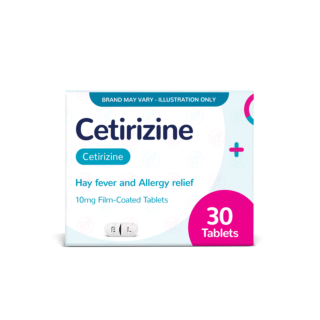
Hay fever tablets, or antihistamines, work by blocking the histamine your body releases during an allergic reaction. Because a cold is caused by a virus, antihistamines won't treat the infection itself.
That said, they may offer some mild relief from symptoms like a runny nose, congestion, or sneezing.
“You're better off reaching for a dedicated cold remedy that contains pain relief like paracetamol and a decongestant like phenylephrine hydrochloride, alongside plenty of rest and fluids, rather than relying on antihistamines.”
Ian Budd, Prescribing Pharmacist at Chemist4U
How Chemist4U can help
Hopefully by now you've figured out what's behind those troublesome symptoms. Now it's time to find the right relief.
We stock a wide range of cold and flu remedies from popular brands like Lemsip and Sudafed. We also offer a choice of drowsy and non-drowsy antihistamines for both adults and children, making it easy to find the best treatment for the whole family.
Once you've placed your order, we'll deliver it quickly and discreetly straight to your door.
Frequently asked questions about common cold vs hay fever
Am I sick or is it just hay fever?
Sudden symptoms, itchy, watery eyes, and whether you feel better indoors point towards hay fever. A fever, body aches, or symptoms that came on gradually suggest you've picked up a cold.
What colour is hay fever snot?
Hay fever typically produces clear, watery discharge rather than anything thick or coloured. If your mucus has turned yellow or green, this is usually a sign of an infection like a cold or sinusitis instead.
What causes hay fever in September?
Hay fever doesn't always stop when summer ends. Weed pollen can still be present in September, though hay fever season does begin to wind down as the month progresses into October.
Sources
Hay Fever. (2024). NHS. [Accessed 25th February 2026].
Common Cold. (2024). NHS. [Accessed 25th February 2026].
Common Cold FAQs. (2024). Mayo Clinic. [Accessed 25th February 2026].
Antihistamines. (2023). NHS. [Accessed 25th February 2026].
Chemist 4 U uses cookies (and other techniques) to enhance your shopping experience.
Read more about our cookie policy, terms and conditions and privacy statement. By continuing on this site and accepting our cookies you agree to the collection of information on this basis by us and by third parties on the platform as well as direct email marketing. Please customise your cookie settings below.
Find out more about our data policies.