With so many antihistamines available, it’s hard to know which one will actually help your specific symptoms. What relieves hay fever might not work as well for hives, and some might make you drowsy when you need to stay alert.
That’s why we’re here to break down the best antihistamines for each symptom.
Whether you’re dealing with hay fever, insect bites, or wondering what can be taken by children, we’ll help you find the right option for your needs.
Three key takeaways
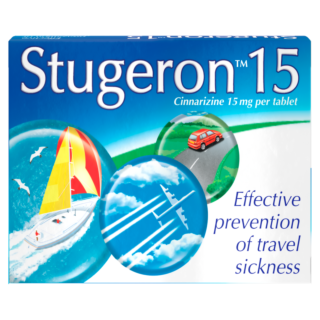
Most antihistamines treat multiple symptoms, but some work better for specific things, like cetirizine for insect bites, drowsy antihistamines for sleep problems, or cinnarizine (Stugeron) for vertigo.
We stock antihistamines you can buy straight away, plus prescription-strength options if your symptoms aren't improving with regular treatments.
Always see your GP if your allergies are disrupting your daily life or you're unsure what's triggering them.
How to find the right antihistamine for your symptoms
Start by thinking about your symptoms. What are you dealing with, and how bad are they?
Next, consider your daily routine. Do you need to stay sharp for work or driving? If so, look for a non-drowsy option. But if allergies are keeping you awake at night, a drowsy antihistamine might help you sleep.
“It's important to check whether the antihistamine you choose is safe for your situation. Some aren't suitable for children under certain ages, while others may not be recommended if you're pregnant or breastfeeding.
“If you're taking other medications, you'll want to make sure there won't be any interactions. Always read the patient information leaflet that comes with the medicine to confirm it's right for you or your child. When in doubt, ask your pharmacist.”
What are the strongest hay fever tablets available in the UK?
It’s natural to wonder about the strongest hay fever remedies available, especially if regular over-the-counter treatments aren’t cutting it.
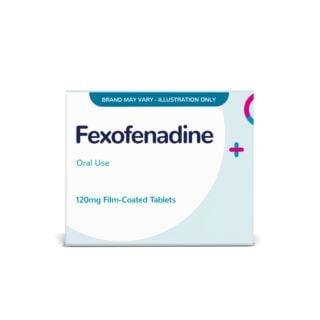
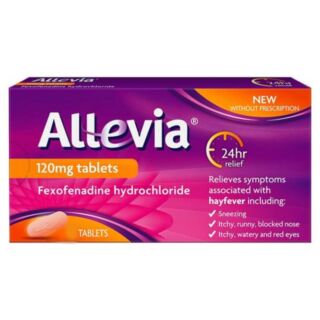
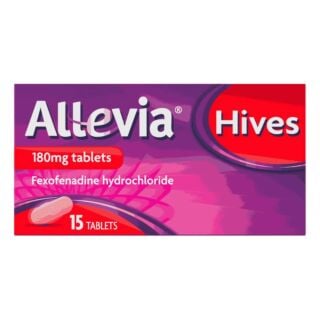
“The higher dose of fexofenadine (180mg) is available under Allevia Hives, but it’s only suitable to treat hives or nettle rash, not hay fever symptoms like itchiness, a runny nose, or watery eyes.
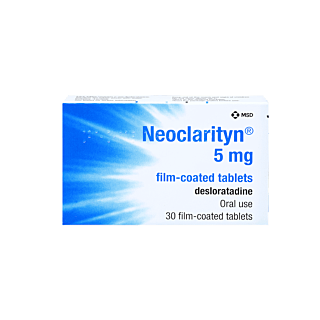
“There’s also Neoclarityn (desloratadine), a prescription-strength option that provides powerful, long-lasting relief against hay fever and allergy symptoms. It’s taken once a day and is unlikely to leave you feeling drowsy.”
Antihistamines work by blocking histamine, a chemical your body releases during an allergic reaction. When histamine is released, it causes blood vessels to swell, triggering that uncomfortable, itchy feeling.
By stopping histamine, antihistamines help to relieve itching and calm your skin.
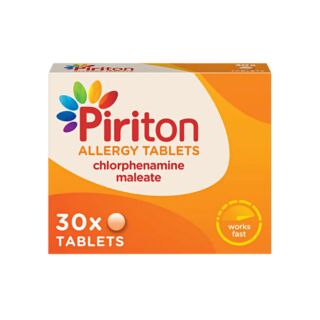
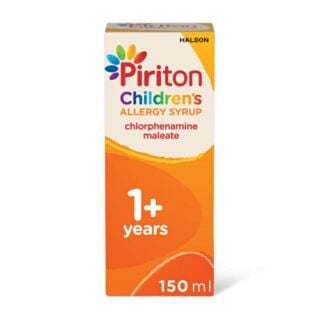
However, if the itchiness is disrupting your sleep, chlorpheniramine (Piriton) is an older, drowsy antihistamine that can relieve your symptoms while also helping you to drift off.
In another study, people took cetirizine before being exposed to mosquito bites. Researchers then measured the size of the bite marks and how itchy they felt at 15 minutes, 60 minutes, 12 hours, and 24 hours.
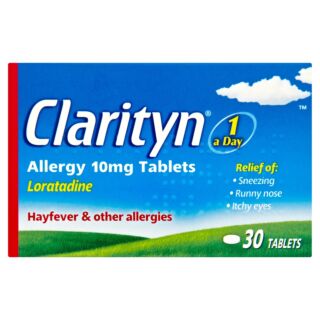
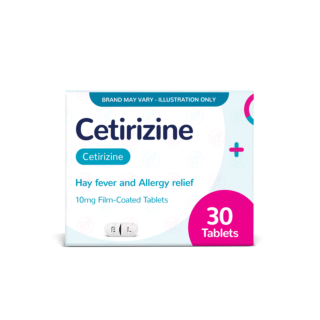
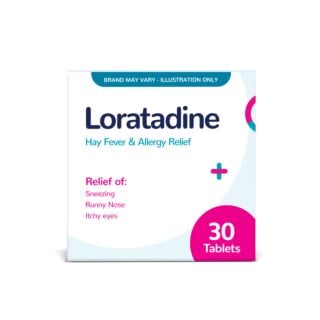
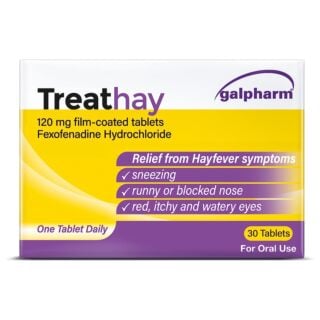
Cetirizine, fexofenadine, and loratadine all work well to relieve common symptoms like sneezing, a runny nose, itchiness, watery eyes, and skin reactions like rashes.
Best antihistamine for postnasal drip
Older antihistamines like diphenhydramine and chlorphenamine aren’t the best choice for postnasal drip. While they dry out mucus, they can actually make it thicker and harder to clear, plus they’ll leave you feeling drowsy.
Newer antihistamines work better because they relieve symptoms without thickening mucus or causing drowsiness (for most people). Good options include cetirizine, fexofenadine, and loratadine.
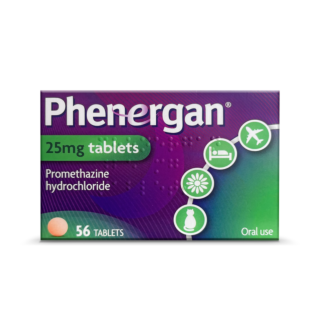
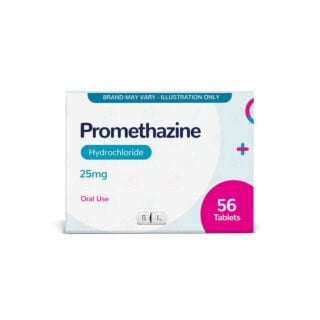
Promethazine, better known as Phenergan, is a drowsy antihistamine that’s sometimes used as a short-term sleep aid. It works by blocking the histamine in your brain to make you feel sleepy, and it usually begins to work within 20 to 60 minutes.
“It’s important to only use promethazine for a few days as your body gets used to it quickly, resulting in dependency and reduced effectiveness over time. You should also avoid alcohol and don’t drive or use machinery while taking it.
“If you’ve been struggling to sleep for more than a few weeks, it’s worth seeing your GP to discuss better long-term solutions rather than relying on antihistamines.”
Claire Irwin, Prescribing Pharmacist at Chemist4U
Best antihistamine for hives
Fexofenadine, or Allevia Hives, is a tailored, high-dose allergy treatment for nettle rash and hives (characterised by red, raised, and itchy patches on the skin).
Suitable for adults and children aged 12 and over, take one tablet daily. You should notice your hives reducing within an hour, with relief lasting up to 24 hours.
“The first choice for vertigo is often cinnarizine, also known as Stugeron. It improves blood flow in the inner ear and helps to reduce the spinning sensation and sickness caused by vertigo, tinnitus, and Ménière's disease.
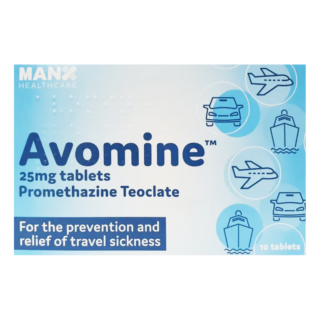
“However, promethazine (sold under Avomine for travel sickness) is still effective at easing nausea and vomiting caused by travel sickness, but if you’re feeling dizzy or have vertigo specifically, cinnarizine is the better option.”
Antihistamines can help relieve the itching and discomfort caused by prickly heat (heat rash).
Non-drowsy options like cetirizine, fexofenadine, or loratadine are often the best choice, as you can take them during the day and are unlikely to feel sleepy. They work by blocking histamine, which reduces itching and inflammation.
Best antihistamine for children
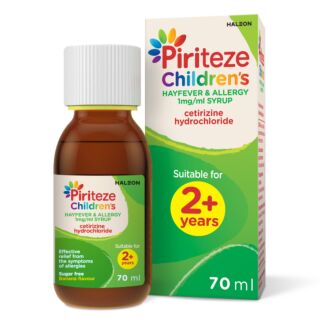
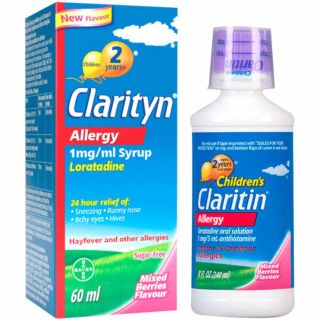
It can be difficult to get children to take medication, which is why it's important to choose a form they're comfortable with. Most children's allergy treatments come in liquid syrups, making them much easier to swallow than tablets.
Best antihistamine for eustachian tube dysfunction
Eustachian tube dysfunction is when the small tubes that connect your middle ear to the back of your throat become blocked or don't open properly, causing a feeling of fullness, muffled hearing, or discomfort in your ears.
“Antihistamines can only help with eustachian tube dysfunction if it’s caused by hay fever or allergies, where they work to ease congestion and inflammation.
“There’s no single best option, either, and non-drowsy antihistamines like cetirizine and loratadine seem to be just as effective as each other.”
Claire Irwin, Prescribing Pharmacist at Chemist4U
Best antihistamine for tree pollen
Tree pollen allergies affect around 25% of people and can cause sneezing, itchy eyes, a runny nose, and congestion.
Non-drowsy antihistamines like cetirizine, fexofenadine, and loratadine are all good options that work by blocking histamine, the chemical your body releases when it reacts to tree pollen.
There isn’t one best antihistamine, as they all work in similar ways to tackle hay fever, but you might find that one suits you better than the others through trial and error.
Best antihistamine for eczema
Although antihistamines aren't the main fix for eczema, they can work alongside other treatments like emollients and steroid creams to help relieve itching, particularly with conditions like discoid eczema (which causes itchy, swollen, circular patches).
“Most antihistamines can help with the itchiness of eczema, but the best choice depends on when you need relief. Non-drowsy options like cetirizine, fexofenadine, and loratadine are better for daytime use as they're unlikely to make you sleepy.
“However, if itching is keeping you awake at night, drowsy antihistamines like promethazine or chlorphenamine can relieve the itch while also helping you sleep.”
You should see your GP if over-the-counter antihistamines aren't helping your allergy symptoms, or if your allergies are affecting your daily life, work, or sleep. It's also worth getting advice if you're not sure what's triggering your reactions, as identifying the cause can make managing symptoms much easier.
Seek urgent help if you have signs of a severe allergic reaction like difficulty breathing, swelling of your face or throat, dizziness, or a racing heartbeat. You should also see your doctor if you're wheezing, have chest tightness, or a persistent cough, as these could be signs of allergic asthma.
If you find yourself needing antihistamines every day for months, your GP can discuss better long-term options or a referral to an allergy specialist.
How our expert team of clinicians can help
Don’t let allergies control your life.
Whether you’re dealing with hay fever, hives, insomnia, or vertigo, choosing the right antihistamine can make all the difference. We have a range of antihistamines and allergy treatments available to buy right away, tailored to your specific symptoms.
If you’re unsure which antihistamine is right for you, or your symptoms aren’t improving with over-the-counter options, simply complete an online consultation with us.
Answer a few questions about your symptoms and medical history, and our expert clinicians will recommend the ideal treatment for your needs.
If it’s suitable for you, we’ll send it straight to your door in discreet packaging, so you can get fast, effective relief, all from the comfort of your own home.
Frequently asked questions about the best antihistamines
Which antihistamine works the fastest?
One of the fastest-working antihistamines is cetirizine, which begins to relieve symptoms within 30 to 60 minutes of taking it.
Can cetirizine cause hives?
While cetirizine is used to treat hives, it can occasionally cause hives or skin rashes as a side effect, though this is rare. This usually happens if you have an allergic reaction to the medication itself.
Some people may also experience widespread itching when stopping cetirizine after using it for a long time.
Is there an antihistamine for acid reflux?
There are some acid reflux medications that are technically part of the antihistamine family, known as H2 blockers. These are completely different from the antihistamines you'd take for hay fever or allergies.
Instead of stopping sneezing and itching, H2 blockers work by reducing how much acid your stomach makes, which helps with heartburn and indigestion.
Chemist 4 U uses cookies (and other techniques) to enhance your shopping experience.
Read more about our cookie policy, terms and conditions and privacy statement. By continuing on this site and accepting our cookies you agree to the collection of information on this basis by us and by third parties on the platform as well as direct email marketing. Please customise your cookie settings below.
Find out more about our data policies.