When you're dealing with hay fever, allergies, travel sickness, or insomnia, finding the right relief as quickly as possible is all that matters. But not all treatments are the same, and choosing between a drowsy or non-drowsy antihistamine can make a real difference.
In this guide, we cover everything you need to know about drowsy and non-drowsy antihistamines, including which brands fall into each category, what conditions they treat, and the side effects to be aware of.
Three key takeaways
Non-drowsy antihistamines are better for daytime use, while drowsy antihistamines work best at night or for things like travel sickness and insomnia.
Each antihistamine has its own strengths. Cetirizine is the fastest acting, loratadine has the fewest side effects, and fexofenadine 180mg is the most effective for hives.
Not all antihistamines are suitable for everyone, or for every condition, and non-drowsy antihistamines can still cause drowsiness in some people. Always check the patient information leaflet or speak to a pharmacist if you're unsure.
Drowsy vs non-drowsy antihistamines at a glance
It’s important to note that while some antihistamines are classed as non-drowsy, they can still cause drowsiness in some people. This is just less likely than with a drowsy antihistamine.
Travel sickness Vertigo Inner ear issues like Ménière's disease
Why are there drowsy and non-drowsy antihistamines?
“Antihistamines have been around for decades, and the drowsy ones came first.
“These older, first-generation antihistamines, like Piriton (chlorphenamine) and Phenergan (promethazine), work well at relieving allergy symptoms. However, since they cross easily into the brain, tiredness is a common side effect.
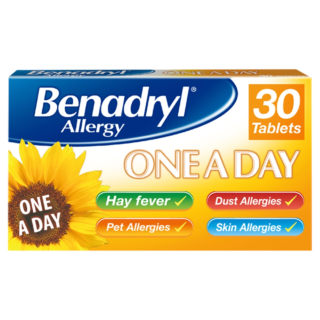
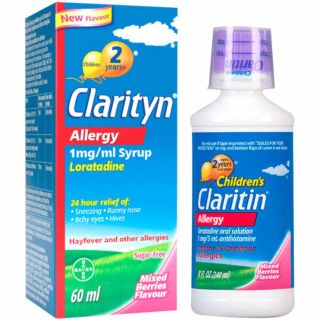
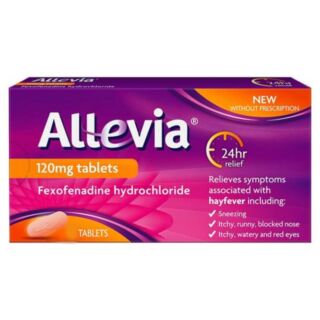
“Over time, researchers developed newer, second-generation antihistamines like Benadryl Allergy (cetirizine), Clarityn (loratadine), and Allevia (fexofenadine).
“They're just as effective but have a much lower chance of making you feel drowsy.
“However, non-drowsy antihistamines haven’t replaced drowsy ones. Different situations call for different treatments, and having the choice means you can find what works best for you.”
Because they’re unlikely to make you feel drowsy, they're better if you need to stay alert during the day, whether you're at work, driving, or keeping up with a busy routine.
Drowsy antihistamines treat many of the same conditions as non-drowsy ones, but their sedating effect makes them particularly useful if you're struggling with symptoms at nighttime.
They’re commonly used to treat:
hay fever
other allergies, like dust, pets, and mould
hives or itchy skin
reactions to insect bites or stings
short-term insomnia
travel sickness or nausea
vertigo
tinnitus
inner ear issues like Ménière's disease
Not all drowsy antihistamines are suitable to treat every condition on this list. Always check the patient information leaflet carefully or ask a pharmacist to make sure you’re picking the right one for your needs.
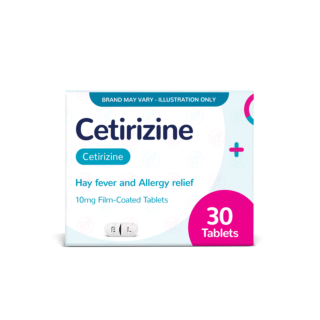
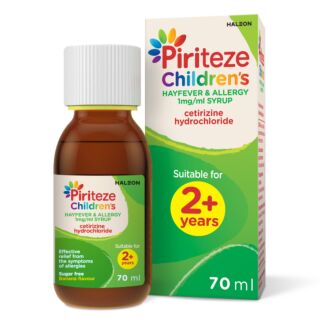
It's available as a cheaper, unbranded generic version, which is just as effective, or under brands like Benadryl Allergy. If you're buying for a child, it's also available as a syrup or solution under brands like Piriteze and Zirtek Allergy, or simply as cetirizine oral solution.
While cetirizine is classed as non-drowsy, a small number of people may still feel tired when they first start taking it. Other common side effects may include:
headaches
dry mouth
nausea
dizziness
diarrhoea
a sore throat
sneezing
a blocked or runny nose
In rare cases, stopping cetirizine suddenly after taking it for a long time can cause extreme itching. If you've been taking it for an extended period and are thinking about stopping, speak to a healthcare professional first.
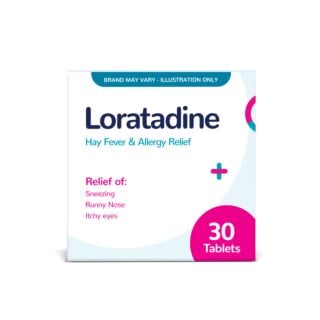
Loratadine is another non-drowsy antihistamine that's great for relieving hay fever, allergies, and itchy skin.
It takes a little longer to get to work than cetirizine, kicking in within one to three hours, but it's known for having fewer side effects, ideal if you're sensitive to medications or simply want something gentler.
It's also considered one of the best antihistamines for managing allergies long-term, as it has no known long-term side effects. Common side effects may include:
drowsiness
headaches
nervousness
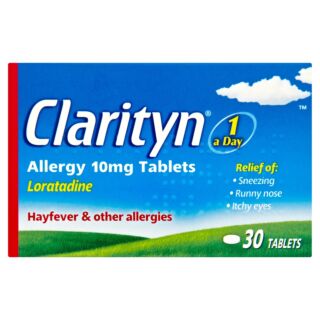
It's available as a cheaper unbranded version or as Clarityn, which comes in both tablets and syrups, making it a convenient option for children too.
If you're pregnant or breastfeeding, loratadine is generally considered safe, but always check with your GP or a pregnancy health expert before taking it.
Unlike cetirizine and loratadine, which are only available as 10mg, fexofenadine comes in two strengths that you can buy over-the-counter: 120mg and 180mg.
The 120mg version treats things like hay fever and allergy symptoms, while the stronger 180mg is only for hives (sold as Allevia Hives). Studies show that high-dose fexofenadine is the most effective treatment for hives.
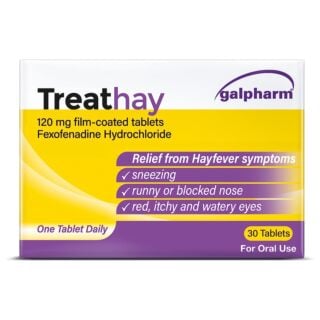
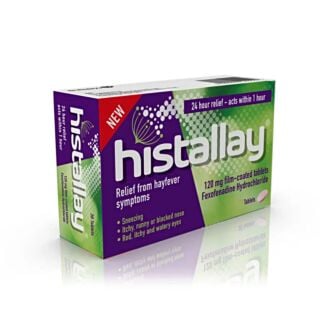
It's available as a cheaper unbranded version or under brands like Allevia, Histallay, Telfast, and Treathay. Possible side effects may include:
drowsiness
nausea
headaches
dizziness
Fexofenadine may be suitable for children aged 12 and over, though this can vary by supplier, so always check the patient information leaflet before use. However, it isn't suitable if you're pregnant or breastfeeding.
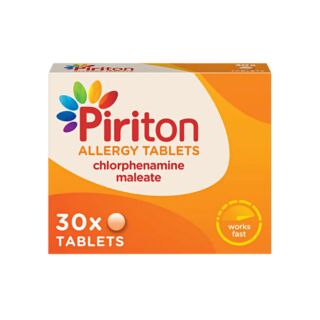
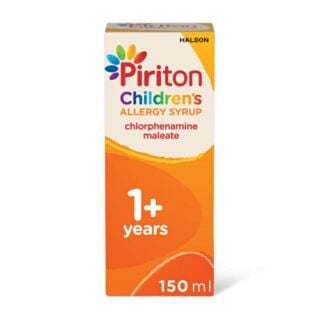
Piriton is one of the most recognisable antihistamine brands out there, and for good reason. It offers a wide range of products, from tablets to syrups, with Piriton Syrup (or chlorphenamine oral solution) being suitable for children from the age of one.
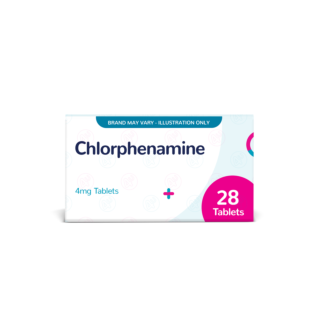
Chlorphenamine is also available as an unbranded version or under other brands like Allerief and Pollenase 4mg.
As a drowsy antihistamine, chlorphenamine is particularly well-suited to managing hay fever at night, helping to relieve symptoms while making it easier to drift off to sleep.
Possible side effects may include:
drowsiness
nausea
difficulty concentrating
dizziness
dry mouth
headaches
blurred vision
Because some of these side effects can affect your concentration, focus, and vision, it's important not to drive or operate machinery while taking chlorphenamine.
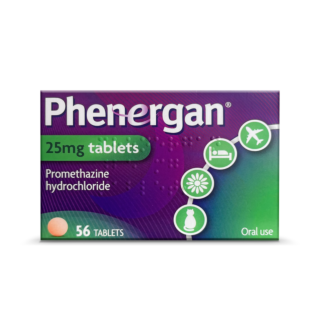
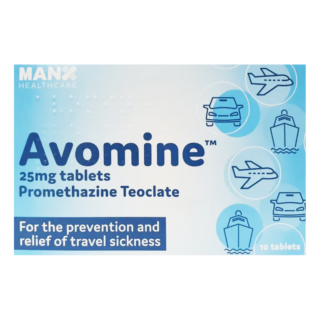
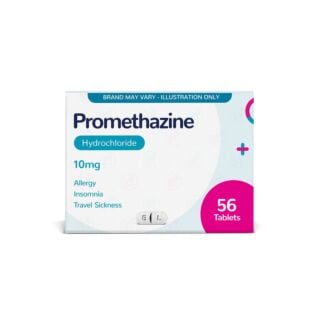
Promethazine is a drowsy antihistamine that can treat a wide range of conditions. As well as relieving hay fever and allergy symptoms at nighttime, it can also help with short-term insomnia and travel sickness.
It's available as branded Phenergan or as generic promethazine and comes in two strengths. The 10mg version is suitable for children from the age of five, while the stronger 25mg version is suitable from the age of six. However, a syrup may be easier to take.
“Unlike most antihistamines, promethazine isn't always just one daily tablet. Depending on what you're treating, you may need to take more than one a day. So, always read the patient information leaflet before use to make sure you're taking the right amount.
“Promethazine shouldn't be taken for more than seven days in a row due to a risk of dependency and reduced effectiveness over time. If you're struggling with any of the above and need a longer-term solution, speak to your GP rather than relying on promethazine.”
Ian Budd, Prescribing Pharmacist at Chemist4U
Possible side effects may include:
drowsiness
nightmares
dizziness
difficulty concentrating
feeling unsteady on your feet
headaches
Like chlorphenamine, promethazine isn’t usually recommended during pregnancy or breastfeeding.
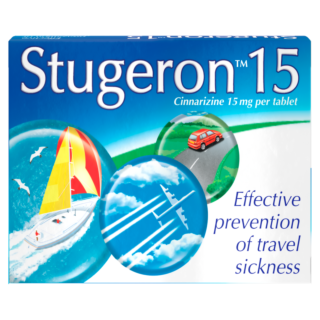
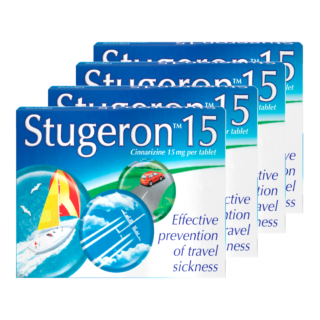
Cinnarizine is a drowsy antihistamine, but it works a little differently to others on this list.
Rather than treating hay fever or allergies, it works by improving blood flow in the inner ear, making it effective at reducing the spinning sensation and sickness associated with vertigo, tinnitus, and Ménière's disease. It's also a great option for travel sickness and general nausea.
It's best known under the brand name Stugeron and is suitable for most adults and children over the age of five. Possible side effects may include:
drowsiness
nausea and vomiting
weight gain
Cinnarizine isn't suitable if you're pregnant, so speak to your GP about more suitable options.
Whether you're stocking up ahead of hay fever season or preparing for a trip and want to be ready for travel sickness or jet lag, we've got you covered.
We stock a wide range of drowsy and non-drowsy antihistamines for both adults and children, so you can find the right one for the whole family.
Once you've placed your order, we'll deliver it quickly and discreetly straight to your door, making it easy to get everything you need from the comfort of your own home.
Frequently asked questions about drowsy vs non-drowsy antihistamines
Is Piriton safe in pregnancy?
While the NHS doesn't highlight any specific safety risks with taking Piriton during pregnancy, it isn't usually recommended due to its potential side effects. As with any medicine during pregnancy, you should always speak to your GP or a pregnancy health expert before taking it.
Is cetirizine safe for pregnancy?
Cetirizine is generally considered one of the safer antihistamines to take during pregnancy. That said, like all medicines, you should only take it if it's been recommended or prescribed by your GP or a pregnancy health expert.
Is cetirizine good for eczema?
Cetirizine can help relieve the itching associated with eczema, though it works best alongside other treatments like emollients and steroid creams rather than on its own.
As a non-drowsy antihistamine, it's a good daytime option. But if itching is keeping you up at night, a drowsy antihistamine like chlorphenamine or promethazine may be a better choice.
Sources
Antihistamines. (2023). NHS. [Accessed 23rd February 2026].
Chemist 4 U uses cookies (and other techniques) to enhance your shopping experience.
Read more about our cookie policy, terms and conditions and privacy statement. By continuing on this site and accepting our cookies you agree to the collection of information on this basis by us and by third parties on the platform as well as direct email marketing. Please customise your cookie settings below.
Find out more about our data policies.