Since Mounjaro slows your digestion, constipation is one of the most common side effects of the treatment. This can leave you feeling bloated, uncomfortable, and struggling to go to the toilet as regularly as usual.
But making simple changes to your diet, fluid intake, and daily routine can help to get things moving again. In this guide, we'll explain why Mounjaro can cause constipation, how long it typically lasts, and what you can do to relieve it.
Three key takeaways
Constipation happens because Mounjaro slows digestion, causing food to remain in the bowel for longer.
Eating more fibre, drinking plenty of fluids, and staying active can help to support regular bowel movements.
Constipation is more likely to occur when you first start treatment or after any Mounjaro dose increase.
Does Mounjaro cause constipation?
Yes, Mounjaro can cause constipation. In fact, it’s one of the most common side effects, affecting more than one in 10 people who take it.
In two clinical trials, 15 out of 100 participants without diabetes and nine out of 100 with diabetes experienced Mounjaro-related constipation during their time on the weight loss injection.
Mounjaro can cause constipation because it slows down digestion, helping you feel fuller for longer after eating. While this is one of the ways it supports weight loss, it can also affect how quickly food moves through your digestive system.
Constipation can happen because Mounjaro:
Slows stomach emptying, meaning food takes longer to move from your stomach into your intestines.
Gives your body more time to absorb water from food waste as it passes through the intestines, which can lead to harder, drier stools. These can be more difficult or uncomfortable to pass.
May reduce how much you eat and drink, which can sometimes make constipation worse if you're not getting enough fibre or fluids.
How long does constipation on Mounjaro last?
Constipation on Mounjaro is usually temporary and often improves within a few days to a few weeks as your body gets used to the medication.
For some people, symptoms are most noticeable when they first start treatment or after increasing their dose. Others may experience occasional episodes throughout treatment, particularly if they're not drinking enough fluids, eating enough fibre, or staying active.
If your constipation becomes severe, lasts for several weeks, or doesn't improve with self-care measures (e.g. eating more fibre), speak to your prescriber for advice.
5 tips for relieving constipation on Mounjaro
Like other common Mounjaro side effects, constipation typically improves within a few days on its own.
However, if you’re finding it uncomfortable, diet and lifestyle changes, over-the-counter remedies, and the right preventative steps can all help you deal with your Mounjaro constipation
Include more high-fibre foods in your diet
Adding more fibre to your diet can help soften your stools and make them easier to pass. Try to increase your fibre intake gradually, as suddenly eating a lot more fibre can cause bloating or trapped wind.
Good sources of fibre include:
wholegrain bread and cereals
oats and porridge
brown rice and wholegrain pasta
beans, lentils, and chickpeas
vegetables like broccoli, carrots, and peas
nuts and seeds
fruits containing sorbitol, a type of sugar alcohol that can have a natural laxative effect, for example, apples, apricots, grapes, raspberries, and strawberries
Remember to drink plenty of fluids when increasing your fibre intake. Fibre needs water to help soften stools, so increasing fibre without drinking enough can sometimes make constipation worse.
Stay hydrated
Drinking plenty of fluids can help to soften hard, dry stools and make them easier to pass. Try to sip water regularly throughout the day rather than waiting until you feel thirsty.
Water is a good choice, but you can also have sugar-free squash, herbal tea, or other non-alcoholic drinks to help keep your fluid intake up.
It's also best to limit or avoid alcohol while you're constipated. Alcohol can dehydrate you, which may make stools harder and constipation more difficult to manage.
Update your toilet habits
Changes to your daily toilet routine may also help. Try going to the toilet at the same time each day to establish a routine, and when you do, make sure you give yourself plenty of time to go. Don't pressure yourself.
You should also consider resting your feet on a low stool with your knees raised above your hips. Listening to your urges is important: try to find a toilet if you feel the need to go and never hold it in unless you have to.
Try a laxative
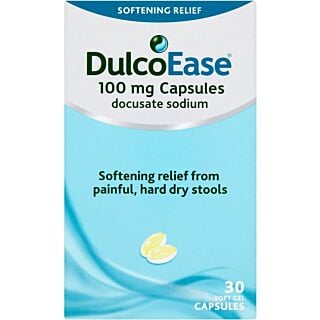
If lifestyle and diet changes aren’t helping you go, you can ask a pharmacist for advice on laxatives, like:
These treatments help manage constipation in different ways. Some speed up your bowel movements, while others draw water into your stool or make them bulkier.
Your pharmacist can help you find the safest and most effective option, so be sure to speak to them before taking anything.
Eating regular meals throughout the day can support healthy bowel movements and prevent constipation.
Exercise can also help by speeding up how quickly food passes through the large intestine. Additionally, it strengthens the core muscles involved in bowel movements and reduces stress, which can sometimes contribute to constipation.
When to speak to a doctor about constipation on Mounjaro
If you get constipation, see a doctor if the following symptoms develop:
constipation that doesn’t improve with treatment
constipation that happens regularly
you experience vomiting
you feel bloated often
your stool is bloody
you’ve experienced unexpected weight loss
you’ve noticed sudden changes in your bowel movements
you also have bellyache
If you feel constipated on Mounjaro, don’t stop taking it without first speaking to your prescriber or GP.
“If you’re experiencing uncomfortable changes to your toilet habits, like going much more often or struggling to go at all, it may simply be your body getting used to the way Mounjaro changes how you digest food.
"These symptoms usually only last a few days and can be managed at home, or with a little help from your pharmacist if they’re starting to affect your day-to-day life. The important thing to remember is that these symptoms are usually nothing to worry about and tend to go away on their own.”
Constipation on Mounjaro isn't the only digestive side effect you may experience. You might also notice symptoms like acid reflux, stomach pain, bloating, belching, and increased wind.
Mounjaro and stomach pain
Stomach pain or cramps can sometimes happen with Mounjaro, and they may be linked to bloating or trapped wind. There are a few things you can try to help ease discomfort:
Drink plenty of fluids to stay hydrated.
Sit upright, particularly after eating, to help prevent stomach acid from moving back up.
Take a warm bath or use a warm compress to help relax your stomach muscles.
Choose bland, easy-to digest foods, like bananas, rice, crackers, and boiled potatoes, and avoid foods that make bloating or trapped wind worse.
Consider over-the-counter pain relief, like paracetamol, if it's suitable for you.
Mounjaro and trapped wind, passing more wind, and bloating
Mounjaro can sometimes cause trapped wind, bloating, or more frequent gas.
This happens because the medication slows down how quickly your stomach empties, meaning food stays in your digestive system for longer, leading to more gas as it's broken down.
You might also experience sulphur burps while taking Mounjaro. Although they have an unpleasant rotten egg smell, they're usually harmless and tend to improve as your body adjusts to treatment.
For Mounjaro gas relief, you can try:
Staying active, as regular exercise can help gas move through your digestive system.
Drinking plenty of fluids.
A gentle stomach massage, moving from right to left, to help release trapped wind.
Avoiding fizzy drinks and gas-producing foods like beans, lentils, and cabbage if they make your symptoms worse.
Avoiding large meals, particularly close to bedtime, and try eating smaller portions instead.
Cutting back on spicy, fatty, sugary, and highly processed foods if you notice they trigger your symptoms.
Speak to a pharmacist if your symptoms are particularly troublesome. They may recommend an over-the-counter treatment, like Buscopan.
Mounjaro and acid reflux
As Mounjaro can slow down how quickly your stomach empties, it can cause indigestion and acid reflux.
This can cause heartburn, a burning sensation that happens when stomach acid moves back into your oesophagus (the tube connecting your mouth to your stomach). You may notice this as a burning feeling in your chest or throat.
Eating smaller meals more often instead of having three large meals.
Avoiding eating 3-4 hours before bed, as lying down soon after eating can make reflux worse.
Choosing loose fitting clothing around your waist, as tight clothes can put pressure on your stomach.
Speak to your GP or pharmacist about antacids like Gaviscon or Rennie that help to relieve heartburn and reduce the effects of stomach acid.
If you continue to experience persistent acid reflux, and this is accompanied by symptoms like unexplained fatigue, difficulty swallowing, persistent or severe abdominal pain, a persistent cough and hoarseness, please report this to your GP.
Mounjaro and diarrhoea
While some people experience constipation on Mounjaro, others may notice the opposite effect. Diarrhoea is another common digestive side effect that can occur when starting treatment or increasing your dose.
If you're struggling with loose or frequent stools, read our guide on Mounjaro diarrhoea to learn why it happens, how long it lasts, and what you can do to manage it.
How Chemist4U can help with Mounjaro constipation
If constipation is making you uncomfortable or starting to get in the way of your day, our expert clinicians can help. We can offer advice on managing Mounjaro side effects and even recommend suitable constipation treatments.
If your constipation is becoming difficult to manage, we can also review your treatment and discuss whether a change in dose may be suitable for you. And remember, don't stop taking Mounjaro without speaking to a healthcare professional first.
Frequently asked questions about Mounjaro constipation
Do you need to take Mounjaro on an empty stomach?
No. You can take Mounjaro with or without food, so you don't need to take your injection on an empty stomach. Eating before or after your injection won't affect how well Mounjaro works.
Can Mounjaro cause stomach ulcers?
There’s no evidence that suggests Mounjaro directly causes stomach ulcers.
Does Mounjaro cause stomach pain after eating?
Mounjaro can cause stomach pain, but it's not specifically linked to eating. If you notice stomach pain after meals, it may be related to delayed stomach emptying, which means food stays in your stomach for longer.
If your stomach pain is severe, persistent, or doesn't improve, speak to a healthcare professional for advice.
Sources
Constipation. (2023) NHS. [Accessed 10th August 2026]
Chemist 4 U uses cookies (and other techniques) to enhance your shopping experience.
Read more about our cookie policy, terms and conditions and privacy statement. By continuing on this site and accepting our cookies you agree to the collection of information on this basis by us and by third parties on the platform as well as direct email marketing. Please customise your cookie settings below.
Find out more about our data policies.