Gaviscon Heartburn & Indigestion Relief
Gaviscon is a range of over-the-counter medicines that relieve heartburn, acid reflux and indigestion. It works by forming a protective barrier on top of the stomach contents, while some products also contain antacids that neutralise stomach acid. Gaviscon is available as liquids, chewable tablets and sachets. … Read More See less
See Gaviscon by type here: Liquids, Tablets & Sachets
How does Gaviscon work?
Gaviscon relieves heartburn and indigestion in one or two ways, depending on the product:
- Alginates form a protective layer that floats on top of the stomach contents. This barrier helps stop stomach acid travelling up into the oesophagus (food pipe), where it causes the burning feeling of heartburn and acid reflux.
- Antacids neutralise stomach acid, which helps ease pain and discomfort.
What is sodium alginate?
Sodium alginate is the key active ingredient in Gaviscon, and comes from brown seaweed. When sodium alginate mixes with stomach acid, it forms a thick, gel-like barrier that sits on top of the stomach contents and helps reduce acid reflux into the oesophagus.




What is Gaviscon used for?
Gaviscon is used to relieve the symptoms of:
- heartburn
- acid reflux
- indigestion
- acid-related discomfort after eating
Symptoms of acid reflux include a burning feeling in the middle of the chest and a sour or unpleasant taste in the mouth.
What types of Gaviscon are available?
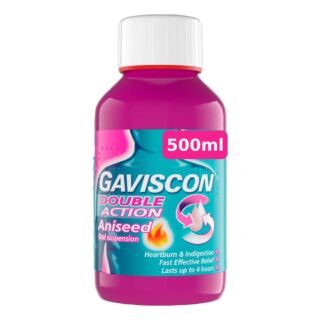
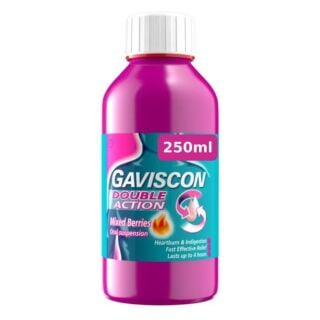
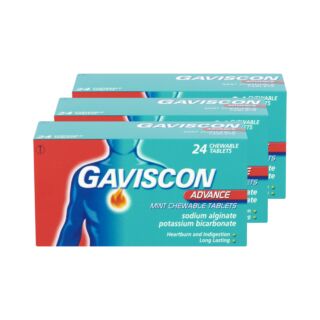
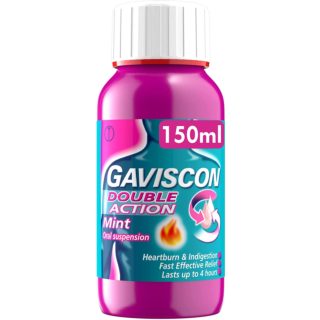
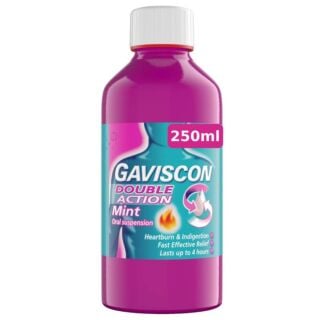
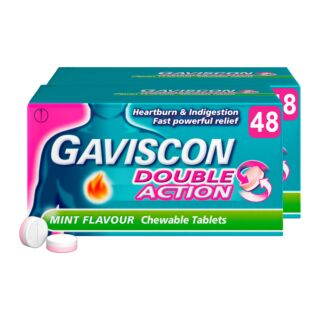
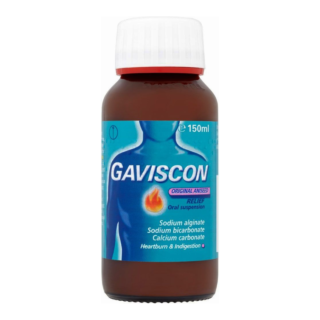
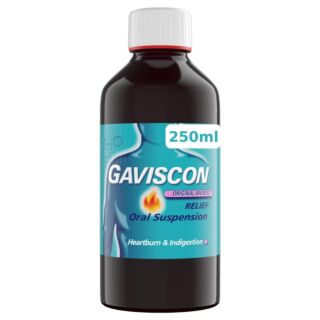
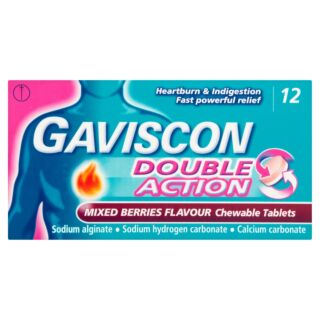
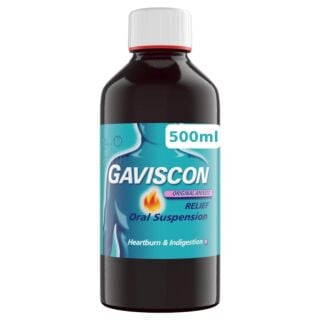
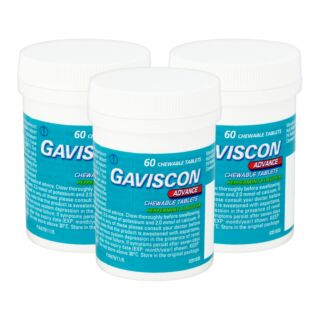
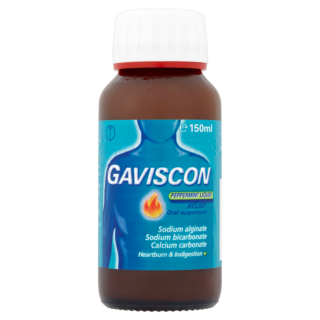
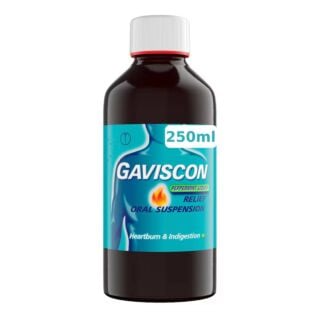
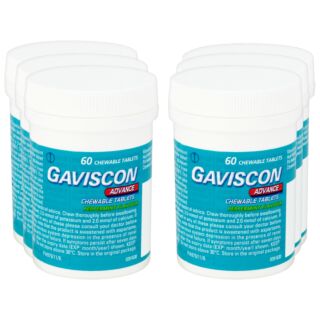
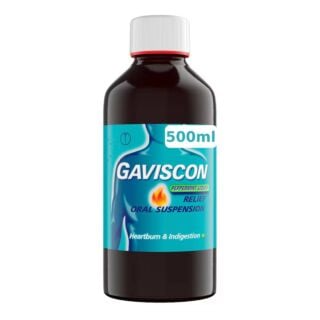
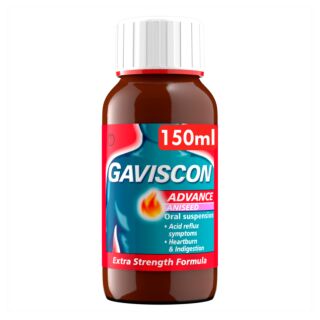
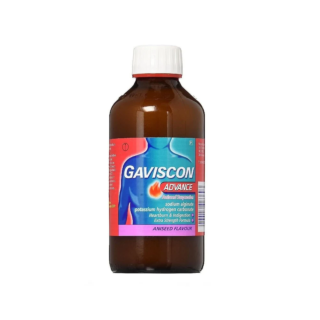
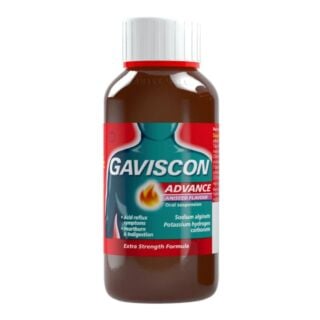
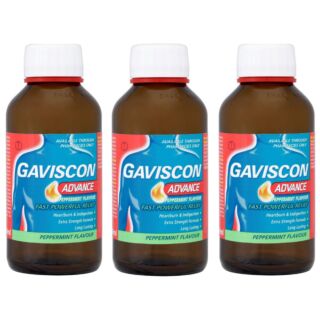
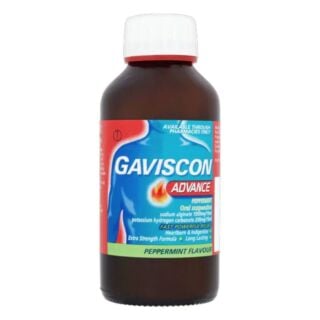
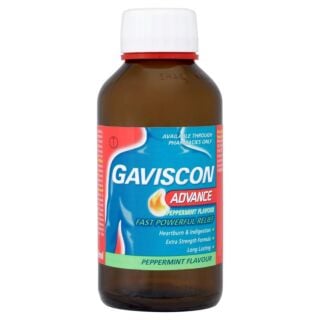
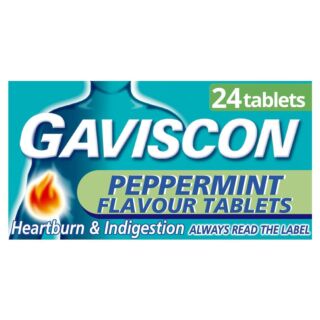
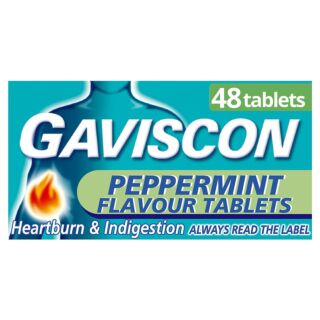
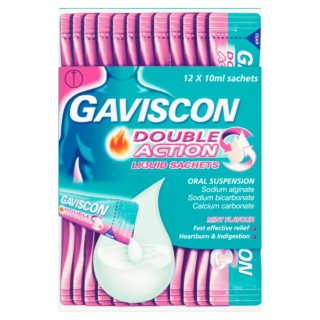
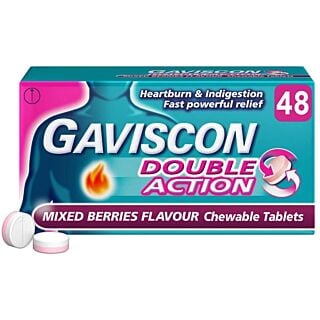
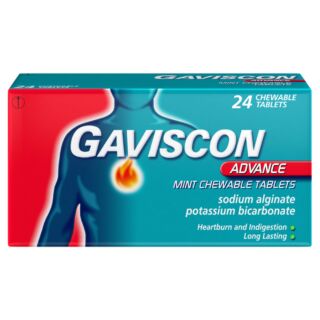
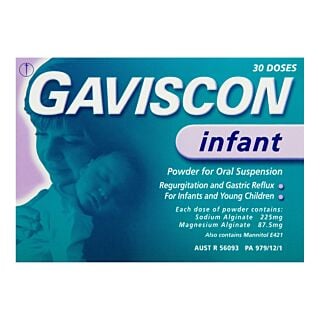
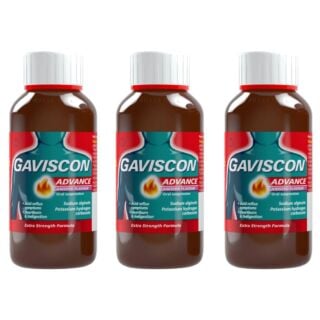
The main Gaviscon products are Gaviscon Original, Gaviscon Double Action and Gaviscon Advance. Their active ingredients and strength differ, so always check the label and patient information leaflet for the product you're taking.
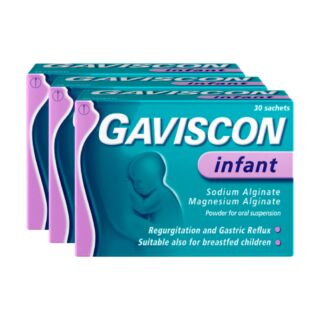
Gaviscon is available as:
- oral liquid
- chewable tablets
- single-dose liquid sachets
Different flavours and pack sizes are available across the range.
What's the difference between Gaviscon Original, Double Action and Advance?
| Product | Active ingredients | How it works |
|---|---|---|
| Gaviscon Original | Sodium alginate, sodium bicarbonate, calcium carbonate | Mainly forms a protective barrier to reduce reflux |
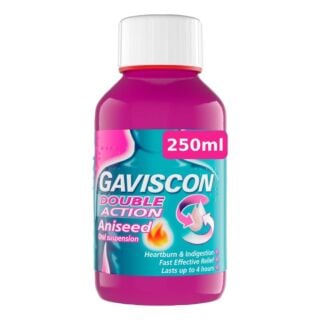
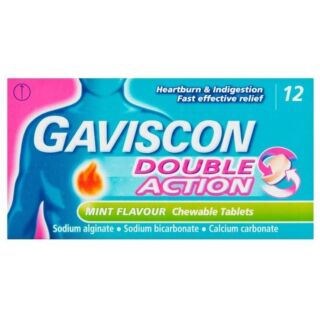
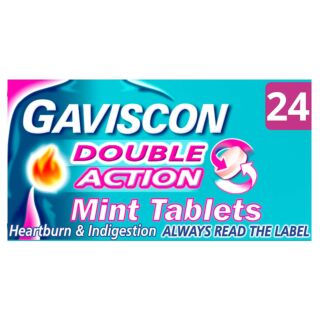
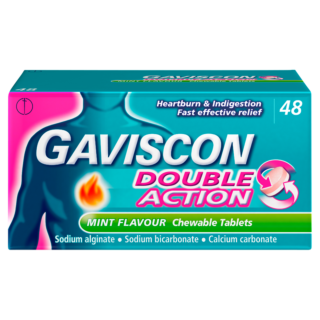
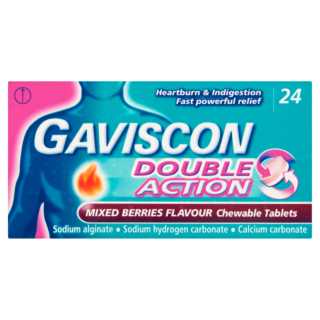
| Gaviscon Double Action | Sodium alginate, sodium bicarbonate, calcium carbonate | Forms a protective barrier and contains more antacid than Original to neutralise excess acid |
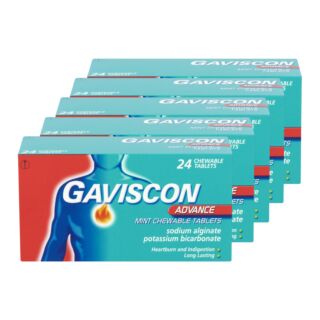
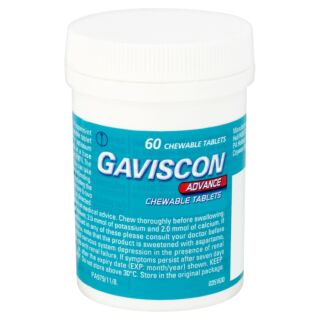
| Gaviscon Advance | Sodium alginate, potassium bicarbonate | Contains a more concentrated alginate to form a protective barrier |
What is Gaviscon Double Action?
Gaviscon Double Action contains more antacid than Gaviscon Original. As well as forming a protective barrier to reduce reflux, it neutralises excess stomach acid, which makes it a good option if you have both heartburn and indigestion.
When should you take Gaviscon?
Gaviscon is usually taken after meals and at bedtime. The dose and how often you can take it depend on the product, so always follow the instructions on the label or patient information leaflet.
Chew Gaviscon tablets thoroughly before swallowing. Do not swallow them whole.
Gaviscon can affect how well some other medicines are absorbed. Leave about two hours between taking Gaviscon and any other medicines you take by mouth, unless a pharmacist or doctor advises otherwise.
How long can you take Gaviscon for?
If you've bought Gaviscon without a prescription and your symptoms haven't improved after seven days, speak to a pharmacist or doctor.
Can you take Gaviscon when pregnant?
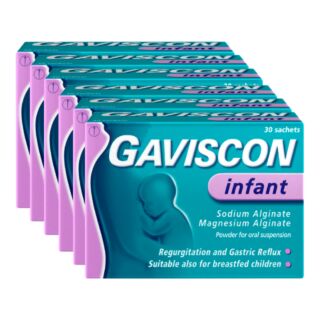
Some Gaviscon products can be used to relieve heartburn during pregnancy and breastfeeding. Check the patient information leaflet and speak to a pharmacist, midwife or doctor before taking Gaviscon.
Who should speak to a pharmacist before taking Gaviscon?
Gaviscon is not suitable for everyone. Speak to a pharmacist or doctor before taking Gaviscon if you:
- have kidney or heart problems
- need to limit the amount of sodium (salt) in your diet
- have high levels of calcium in your blood or have had kidney stones
- take any other medicines
- are pregnant or breastfeeding
- are buying it for a child under 12
- are not sure which Gaviscon product is right for you
Different Gaviscon products have different ingredients and instructions for use. Always read the label and patient information leaflet before taking a medicine, and do not take more than the recommended dose.
When should you see a GP about heartburn?
See a GP if you:
- have heartburn most days for three weeks or more
- have heartburn with other symptoms, such as food getting stuck in your throat, being sick often or losing weight without trying
- still have symptoms after taking pharmacy medicines
Get urgent medical help if you're vomiting blood or have black, sticky poo.
Medically reviewed by Ian Budd, GPHC number: 2037876. Last reviewed: .

Free delivery when you spend over £39

100% discreet delivery for every item ordered

Fully regulated UK pharmacy



Does Gaviscon help with gas?
Whilst heartburn and gas can happen at the same time, especially after a big meal, they’re usually separate problems that need to be treated separately.
Gaviscon works specifically to relieve the symptoms of heartburn and indigestion, so probably won’t help with excess gas.
If you’re feeling gassy, the best medicine to try is simeticone, which works by bringing together the small gas bubbles in your gut to form bigger bubbles that can pass through your body more easily.
What are the side effects of Gaviscon?
Gaviscon, which contains sodium alginate, is generally well tolerated. The NHS notes that side effects are uncommon. Some people may experience constipation, diarrhoea, nausea or stomach cramps. Very rarely, an allergic reaction may occur. Speak to your pharmacist or GP if you experience any side effects or are unsure whether Gaviscon is suitable for you.
Source: NHS
What is the difference between Gaviscon and Rennie for heartburn?
Gaviscon uses sodium alginate to form a protective raft on stomach contents, helping to prevent acid rising into the oesophagus. Rennie is a plain antacid containing calcium carbonate that neutralises stomach acid directly. The NHS notes antacids like Rennie work quickly but Gaviscon's raft mechanism also helps with reflux and regurgitation. A pharmacist can advise which suits you. Source: Which.co.uk
What medicines should you not take with Gaviscon?
The NHS states that Gaviscon can affect the absorption of several medicines. You should not take it within two hours of iron tablets, bisphosphonates such as alendronic acid, or levothyroxine. Other affected medicines include some antibiotics, antihistamines, beta blockers, and antipsychotics. Ask a pharmacist if you are unsure.
Source: NHS
What should I do if Gaviscon is not working after a week?
The NHS advises that if you buy Gaviscon without a prescription, you should not take it for longer than seven days without checking with a doctor. If it is not working or not agreeing with you after that time, speak to a pharmacist or GP. Persistent symptoms could indicate a condition such as GORD that needs a proper assessment.
Source: NHS
When should I take Gaviscon, before or after meals?
The NHS advises taking Gaviscon after meals and at bedtime. This timing works because the sodium alginate needs food and acid present to form an effective alginate raft that floats on stomach contents. Taking it on an empty stomach means the raft has nothing to float on and the effect is shorter. Always follow the patient information leaflet for your specific product.
Source: NHS
Where can I buy Gaviscon online in the UK?
Who should not take Gaviscon?
According to the NHS, Gaviscon may not be suitable for people who have kidney, liver or heart disease, follow a low-sodium or low-calcium diet, or have the rare inherited condition phenylketonuria. You should check with a doctor or pharmacist before taking it if any of these apply to you.
Source: NHS
Does Gaviscon help with wind?
Whilst heartburn and wind can happen at the same time, especially after a big meal, they’re usually separate problems that need to be treated separately.
Gaviscon works specifically to relieve the symptoms of heartburn and indigestion, so probably won’t help with excess gas.
If you’re feeling gassy, the best medicine to try is simeticone, which works by bringing together the small gas bubbles in your gut to form bigger bubbles that can pass through your body more easily.
What is heartburn?
Heartburn is a symptom of acid reflux. It occurs when acid produced by the stomach travels up towards the throat and causes a burning sensation in the middle of your chest.
You may also experience a cough, hiccups, bad breath and nausea when suffering from acid reflux.
Although acid reflux is not a serious condition it may be a symptom of gastro-oesophageal reflux disease (GORD), a long-term form of acid reflux.
If you often experience heartburn and acid reflux it is recommended that you seek advice from your doctor, as they will be able to prescribe a medicine known as a proton pump inhibitor (usually either omeprazole or lansoprazole) which can help to reduce the amount of stomach acid that is produced by your stomach.
Why do I have heartburn?
There are a few different causes of heartburn, which is one of the reasons why it’s such a common problem.
Sometimes, it’s hard to pinpoint a cause, heartburn just happens whether you like it or not, but some of the most common causes you can look out for include:
- Certain foods – coffee, alcohol, greasy foods, fatty foods, and spicy foods are all common culprits
- Stress or anxiety
- Being overweight
- Pregnancy
- Smoking
- Side effects from medication
- A hiatus hernia
What causes indigestion?
There are various reasons why you might be suffering from indigestion and heartburn, such as certain foods, drinks and medication.
The most common reasons are the result of eating fatty, greasy or spicy foods, overeating or eating your food too fast, consuming too much caffeine or alcohol, smoking, anxiety and medications like certain antibiotics or painkillers.
If you keep getting indigestion, you might need to make some lifestyle alterations - try altering your diet to see if it improves and, if it doesn’t, speak to your GP for advice.
How does Gaviscon work?
Gaviscon is a reflux suppressant. Its active ingredient, sodium alginate, reacts with stomach acid to form a floating alginate raft on top of stomach contents. This raft acts as a physical barrier, preventing acid reflux back up into the food pipe. Some formulations also contain an antacid to neutralise excess stomach acid and relieve discomfort.
Source: NHS
How quickly does Gaviscon work?
According to the NHS, you should start to feel better soon after taking a dose of Gaviscon, with each dose lasting around four hours. The alginate raft begins to form as soon as the medicine meets stomach acid, so onset of action is rapid. Take each dose after meals and at bedtime for best effect on heartburn symptoms.
Source: NHS
Is Gaviscon Advance stronger than Gaviscon Double Action?
Gaviscon Advance contains a higher concentration of sodium alginate than Gaviscon Double Action, creating a stronger, more resilient alginate raft. Gaviscon Double Action adds calcium carbonate to also neutralise stomach acid directly. Neither is universally "stronger"; the right choice depends on your symptoms. Always read the patient information leaflet or ask a pharmacist.
Source: DifferenceBetween.com