
Sulphur burps: causes, fast relief & how to manage them
If you’ve ever burped and noticed that its odour is similar to rotten eggs, you’ve experienced what is known as a sulphur burp.
These burps are often harmless but can be quite unpleasant. Here, we’ll go through what they are, common causes, and how to manage them.
Three key takeaways
- Reducing high-sulphur foods in your, like eggs, can help stop the unpleasant smells when you burp.
- Sulphur burps can be managed and relieved with over-the-counter medicines like Gaviscon or Rennie.
- Weight loss injections like Mounjaro and Wegovy can increase the likelihood of sulphur burps as they slow down how quickly food leaves your stomach.

What are sulphur burps?
Sulphur burps are recognised by their smell, which is similar to rotten eggs. But what causes that smell?
It’s the presence of the gas called hydrogen sulphide, which is created in your stomach when it breaks down food.
They can happen to everybody now and again, but if you notice them happening more often, it may mean that there’s something wrong with your digestion and that you should speak to a healthcare professional.
What causes sulphur burps?
There are few different reasons that you might be experiencing sulphur burps, including diet, medication, and health problems.
Medication
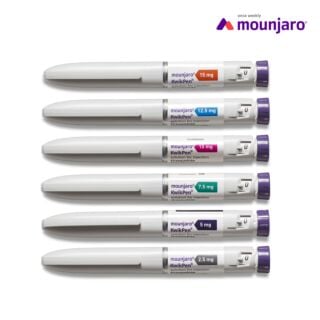
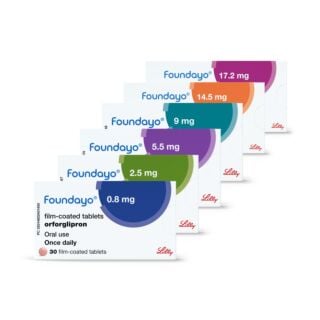
Some medicines can increase your chances of sulphur burps, like weight loss injections (Mounjaro and Wegovy) and weight loss pills (Wegovy tablets and Foundayo).
These GLP-1 receptor agonists mimic one of the natural hormones in your body, causing food to leave your stomach more slowly.
A possible side effect of the food staying in your stomach for longer is the production of more gas, which may cause sulphur burps.
These side effects are more likely when you first start the treatment, or when you increase your dose, and are temporary for most patients. If you do suffer with sulphur burps, it might be best to spend another month at your current dose before increasing.
Antibiotics can also cause sulphur burps, alongside other medications than interact with your gut microbiome.


Diet
One of the biggest causes of sulphur burps is diet. Eating meals including certain foods can increase your chance of egg-smelling burps quite a bit.
To manage your sulphur burps, you should try to reduce your intake of food and drinks high in sulphur, like:
- eggs
- red meat
- dairy products (like milk and cheese)
- garlic
- onions
- broccoli and cauliflower
- fizzy drinks
- alcohol
Additionally, eating too much or too fast means you’re swallowing more air, increasing your chances of sulphur burps.
If you’re on weight loss treatment and are looking for advice on how to reduce your sulphur burps through your diet, we’ve broken down diet plans for Mounjaro as well as diet dos and don’ts for Wegovy to help make it slightly easier for you.
Health conditions
Sulphur burps happening usually means that there’s something working slightly differently in your gut. This means having certain health condition or infections can increase how often sulphur burps happen, like:
- acid reflux
- irritable bowel syndrome (IBS)
- lactose intolerance
- H. pylori infection
- a stomach bug
- food poisoning
How to get rid of sulphur burps
Medicinal options
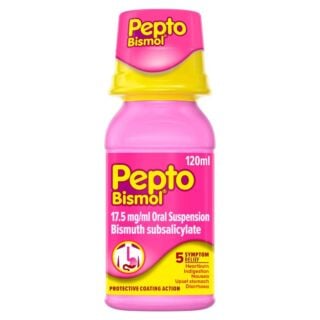
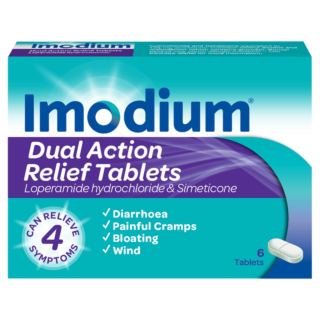
While over-the-counter medicines are available to address these symptoms, it’s always best to consult your doctor or pharmacist before starting any new treatment.
Antacids can help to lower stomach acid levels that contribute to burping, and probiotics support a healthy balance of beneficial gut bacteria.
Non-medicinal alternatives
If you’re keen to get rid of sulphur burps, increasing your water intake is a simple yet effective approach. Staying well-hydrated helps to flush your system and can reduce the build-up of gas in your stomach.
For extra relief, sipping on peppermint or ginger tea can have a soothing effect on your digestive tract, promoting smoother digestion and easing discomfort.
When to see your GP with sulphur burps
If sulphur burps happen a lot, don’t go away, or come with bad stomach pain you should book in to see your doctor, as these could be signs of a more serious problem.