Acne isn't just one condition. From blackheads and whiteheads to cystic and fungal acne, different types of acne form in different ways and often require different treatments.
Understanding which type of acne you're dealing with can make it much easier to choose the right products, avoid common treatment mistakes, and clear your skin faster.
In this guide, we'll explain six common types of acne, what causes them, how to tell them apart, and the treatment options that may help.
Three key takeaways
Acne isn't one-size-fits-all. Different types of acne have different causes, symptoms, and treatment options.
Working out which type of acne you're dealing with can help you find the most effective treatment and prevent future breakouts.
From cleansers and gels to prescription treatments, there are plenty of options available to help manage acne, and our pharmacists can help you find the right one for your skin.
What is a blackhead (open comedone)?
Blackheads are one of the most common (and stubborn) types of acne. There are lots of reasons why blackheads can develop, and they can be stubborn to get rid of, often coming back if you don't find the right treatment or skincare routine that works for your skin.
Understanding how blackheads form can be the first step towards clearing them and preventing future breakouts.
A blackhead, also known as an open comedone, forms when a pore (hair follicle) becomes blocked with things like excess oil (sebum) and dead skin cells. When the blockage sits near the surface of your skin and the pore stays open, it becomes a blackhead.
Many people assume blackheads are caused by dirt, but this isn’t the case. The dark colour of a blackhead appears when the oil inside the blocked pore meets oxygen in the air, which causes it to turn brown or black. While it may look like trapped dirt, it's actually a natural reaction. So, if you have blackheads, don't worry, it doesn't mean your skin is dirty or that you're not washing it well enough.
Blackheads are usually flat or slightly raised and aren’t typically painful. They tend to appear on the nose, forehead, and chin most often, but they can also appear on areas with more oil-producing glands, like the chest, shoulders, and back.
What causes blackheads?
Blackheads develop when excess oil and dead skin cells build up inside a pore and become trapped. Several factors can increase the likelihood of this happening, including:
naturally oily skin
hormonal changes
skincare products that clog your pores (comedogenic)
genetics
Anyone can get blackheads, but they're particularly common during puberty, affecting teenagers and young adults who are going through hormonal changes. These changes can increase the amount of oil your skin produces, which can make pores more likely to become blocked and lead to blackheads.
How to treat blackheads
Although blackheads are generally a mild form of acne, they can be stubborn and might not go away on their own. The good news is that there are plenty of treatment options available, including:
daily cleansers and exfoliators containing salicylic acid, which help to remove excess oil, dirt, and dead skin cells
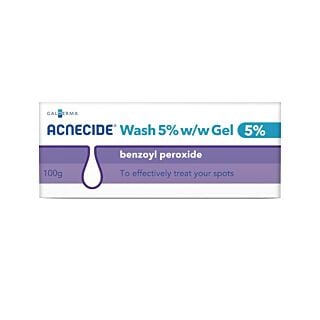
products containing benzoyl peroxide, which can help to reduce the amount of bacteria on your skin
You should also avoid picking or squeezing blackheads yourself. While it might be tempting, it can irritate the skin, increase inflammation, and may lead to scarring or further breakouts. Instead, focus on a gentle skincare routine and treatments designed to help blackheads.
What is a closed comedone (whitehead)?
Whiteheads are another common type of acne, and while they’re considered mild, they can be quite stubborn. If you want to clear whiteheads and stop them from coming back, it can help to know how they form in the first place.
A whitehead, also known as a closed comedone, forms when a pore becomes blocked with things like oil (sebum) and dead skin cells but, unlike on a blackhead, the opening of the pore closes over. As the blockage doesn’t meet the air, it stays white, cream, or skin-coloured, rather than turning dark
Whiteheads often appear as small bumps beneath the skin, and can make your skin feel rough or uneven. Whiteheads don’t contain pus and aren’t usually red, swollen, or painful. They appear most often on the forehead, cheeks, and chin, although they can also pop up on the chest, shoulders, and back.
What causes whiteheads?
Whiteheads develop when excess oil and dead skin cells become trapped inside a pore. This can happen for a number of reasons, including:
naturally oily skin
hormonal changes
skincare products that clog your pores (comedogenic)
genetics
Anyone can get whiteheads, but, like blackheads, they're particularly common during puberty. Sweating, friction from clothing, and humidity can also contribute to breakouts.
How to treat whiteheads
Whiteheads can be stubborn, and it can be disappointing when they seem to clear up only to come back again. The good news is that there are several treatments available that can help to keep pores clear and reduce future breakouts, including:
daily cleansers and exfoliators containing salicylic acid, which help to remove excess oil, dirt and dead skin cells
products containing benzoyl peroxide, which can help to reduce bacteria on your skin
adapalene treatments, which can help to keep pores clear and reduce inflammation
As with other types of acne, it's best to avoid picking or squeezing whiteheads. Although it may seem like a quick fix, it can irritate your skin and make it more likely that you'll scar or breakout again in the future.
What is bacterial acne?
When most people think of acne, they're usually thinking of bacterial acne. This type of acne develops when pores become blocked, and bacteria contribute to inflammation, leading to red, swollen, and sometimes painful spots.
Bacteria naturally live on everyone’s skin and don't usually cause any problems. However, if pores become blocked with excess oils and dead skin cells, bacteria can multiply and trigger inflammation.
Bacterial acne may appear as:
papules (small, solid raised bumps)
pustules (small, raised bumps filled with pus)
nodules (hard, painful lumps that develop deeper beneath the skin)
cysts (large, inflamed spots filled with pus)
Bacterial acne most commonly affects areas with a high amount of oil-producing glands, like your face, chest, shoulders, and back.
What causes bacterial acne?
Several factors can increase your chances of getting bacterial acne. These include excess oil, hormonal changes, genetics, and skincare products that clog your pores (comedogenic).
How to treat bacterial acne
Treatment for bacterial acne focuses on reducing bacteria, calming inflammation, and preventing pores from becoming blocked again. Depending on the severity of your acne, treatment options may include:
benzoyl peroxide, which can help to reduce bacteria on your skin
salicylic acid, which helps to unclog pores and remove excess oil
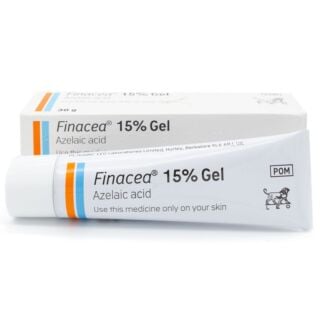
azelaic acid, which can help to reduce inflammation
What is inflammatory acne and how do you treat it?
If your acne feels sore and swollen or looks red, you may be dealing with inflammatory acne. This type of acne can be more uncomfortable than blackheads and whiteheads, but understanding what causes it and how to treat it can help you get your skin soothed and back on track.
Inflammatory acne is an inflamed blocked pore, caused by a mixture of bacteria, excess oil, and a reaction in your body's immune system. Unlike blackheads and whiteheads, which are generally non-inflammatory, inflammatory acne causes redness, swelling, and sometimes pain.
Common types of inflammatory acne include:
papules (small, solid raised bumps)
pustules (small, raised bumps filled with pus)
nodules (hard, painful lumps that develop deeper beneath the skin)
cysts (large, inflamed spots filled with pus)
What causes inflammatory acne?
Inflammatory acne develops when a blocked pore becomes irritated or infected, which triggers your body's immune response. As your skin reacts, the affected spot becomes inflamed, causing redness, swelling, warmth, and discomfort.
How to treat inflammatory acne
Treating inflammatory acne usually involves reducing inflammation, controlling bacteria, and regulating oil production. The best treatment will depend on how severe your acne is and how often you experience breakouts.
It's important to remember that acne treatments can take several weeks to start working, so try not to get discouraged if you don't see results straight away. We all know how tempting it can be to pick and squeeze spots, but it’s important to try to avoid touching your spots during treatment, as it can irritate your skin more and make it more likely you’ll scar.
Cystic acne is one of the most severe types of inflammatory acne.
Cystic acne develops deep beneath the surface of the skin, which is why it can be so painful and noticeable. It happens when a blocked pore becomes inflamed due to a build up of excess oil, dead skin cells and bacteria. This leads to large, painful lumps known as cysts, which are filled with fluid (pus). An acne cyst may be:
a red lump under the skin
painful or tender to touch
oozing white or yellow fluid (pus)
crusty
What causes cystic acne?
Cystic acne often develops when an inflamed acne spot becomes more severe, but hormonal changes, genetics, and age can all contribute. Hormonal changes like the fluctuations of oestrogen and progesterone during the menstrual cycle can cause your skin to produce more oil, increasing the likelihood of blocked pores and inflammation.
Some people are also more likely to develop acne because it runs in their family, and cystic acne is particularly common during the teenage years when hormones like testosterone and other androgens quickly rise..
How to treat cystic acne
If you're wondering how to get rid of cystic acne, patience is key. These breakouts don't disappear overnight, and may take three months or longer to fully clear.
Cystic acne is often considered severe if you have:
Large, painful lumps beneath your skin.
Widespread breakouts affecting multiple areas.
Acne that's leaving scars or dark marks.
Acne that isn't improving with over-the-counter treatments.
In these cases, a doctor or pharmacist may recommend stronger treatments that are only available on prescription.
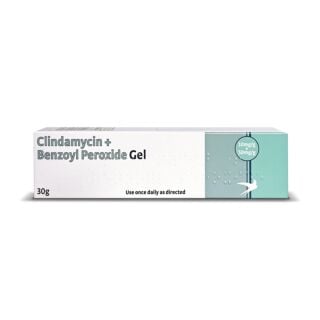
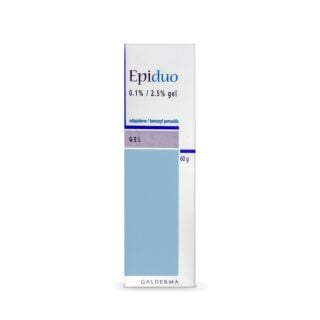
topical gels containing adapalene and benzoyl peroxide, which helps to unblock pores and kill bacteria
"Cystic acne is more than just a few stubborn spots. Because it develops deep within the skin, it can be painful and can leave permanent scars if left untreated. If you're experiencing recurring cystic breakouts, seeking advice early can help you access the most effective treatment sooner and improve your chances of preventing long-term skin damage."
If your cystic acne is causing pain, scarring, or affecting your confidence, speak to a pharmacist or your doctor. Treating acne sooner rather than later can lead to less scarring and less damage to your skin further down the line.
If you've been treating your skin condition as though it's acne but aren't seeing improvements, or your breakouts are particularly itchy and appear in clusters, fungal acne could be the cause. It sounds scary but is actually very common, and once you know how to spot it, you'll be a step closer to getting it cleared up.
Fungal acne can look very similar to bacterial acne, and as a result, many people spend months treating fungal acne with common acne products before realising they're dealing with a completely different condition.
Fungal acne is a common skin condition that's often confused with common acne. Fungal acne, known medically as Malassezia folliculitis, happens when hair follicles become infected with a type of yeast called Malassezia.
Almost everyone has Malassezia yeast on their skin naturally. It only causes a problem when the yeast gets inside your hair follicles and they get blocked.. When it does, it causes small, inflamed red bumps that can look very similar to traditional acne spots.
One of the main signs you're dealing with fungal acne is that the spots tend to look very similar to one another. They tend to appear as clusters of small bumps rather than a mixture of different sized spots. They might also be quite itchy, whereas bacterial acne doesn’t usually itch.
What causes fungal acne?
Fungal acne is most common in teenagers, who tend to have oily skin where yeast thrive. However, a number of things can increase your risk of developing fungal acne, including:
hot and humid weather
excessive sweating (hyperhidrosis)
oil-based skin products
a weakened immune system
tight or non-breathable clothing
shaving, plucking, or waxing hair
touching or rubbing your skin frequently
How to treat fungal acne
As fungal acne is caused by yeast rather than bacteria, treatment focuses on reducing the fungus inside infected hair follicles. Common treatment options include:
antifungal shampoos containing ingredients like ketoconazole
It's important to know that traditional acne treatments, like benzoyl peroxide and antibiotics, won't usually help with fungal acne and could even make it worse. Although fungal acne can be stubborn and sometimes returns after treatment, most people see significant improvement once they start using appropriate antifungal treatments.
If you're unsure whether you're dealing with fungal acne or bacterial acne, speaking to a pharmacist or GP can help you get the right diagnosis and treatment plan.
How can Chemist4U help with acne?
Working out which acne treatment is right for you can feel overwhelming, especially when different types of acne often require different approaches. If you're unsure which type of acne you have, or need support finding the right treatment, our pharmacists are on hand to help.
No, fungal acne isn't considered contagious. While the Malassezia yeast in fungal acne can spread to other people, it won't necessarily cause fungal acne, as it depends on their skin conditions and immune response. If you want to be extra safe, avoid sharing things like towels or clothing during an outbreak.
Can cystic acne be cured completely?
Cystic acne can't be cured completely, as there isn't a permanent fix for the underlying genetic and hormonal factors that may cause it. However, for most people, it can be cleared completely when a breakout happens with the right treatment.
Can you have more than one type of acne at once?
Yes, it's very common to have more than one type of acne at the same time. If you're dealing with a mixture of acne symptoms or aren't sure where to start, speaking to a pharmacist can help you find the most suitable treatment for your skin.
Chemist 4 U uses cookies (and other techniques) to enhance your shopping experience.
Read more about our cookie policy, terms and conditions and privacy statement. By continuing on this site and accepting our cookies you agree to the collection of information on this basis by us and by third parties on the platform as well as direct email marketing. Please customise your cookie settings below.
Find out more about our data policies.