Acne scars are raised and indented marks on your skin caused by damage from breakouts.
They affect around 20% of people with acne. They’re rarely a health concern, but we understand how upsetting they can feel when they affect how you feel about your skin.
In this guide, you’ll learn how to tell the difference between permanent acne scars and post-acne marks that eventually fade, the different types of acne scars and why they happen, and acne treatment options to reduce scarring and help you feel your best.
Three key takeaways
Acne scars can be pitted or indented into the skin (ice pick scars, boxcar scars, and rolling scars) or raised (hypertrophic and keloid scars). The type of scarring you experience depends on where it is on your body, your natural skin healing response, and whether you pick or squeeze your spots.
Flat red, pink, or dark marks left by breakouts aren’t the same as acne scars and can fully go away with treatment. True acne scars are considered permanent, but you can significantly reduce their appearance with different products and medical procedures.
Treating active acne is the best way to prevent acne scars and post-acne marks. Never pick or squeeze your spots, as this can damage your skin and lead to permanent scarring.
What are acne scars?
Acne scars are long-lasting marks, texture changes, and bumps on your skin caused by breakouts and spots. Around 95% of people have acne between the age of 11 and 30, and 20% of them develop some acne scarring, so it’s a common – if frustrating – experience.
Spots often leave flat red, pink, or brown marks that usually fade on their own. Acne scarring is more complex and can be permanent if it's not treated professionally, because it goes deeper than these temporary marks and changes the skin’s texture.
Many people experience acne scars on their face, but if you also suffer from body acne they can appear on other places like the back, chest, bum, and legs.
There are several different types of acne scars, and their appearance and treatment depends on your individual skin, the extent of your acne, and how you manage it.
What causes acne scars?
Acne scars happen when your skin permanently changes because of spots or breakouts. There are several reasons you might develop scarring, like:
Having deeper spots like nodules and cysts. This type of acne sinks deep into your skin and can damage the tissue and pores around the spot.
Picking and squeezing spots. This pushes bacteria deeper into your skin and leaves long-term tissue damage.
An imbalance of collagen in your body. This affects your skin’s ability to heal properly and can lead to raised, thickened, or sunken scarring in places you’ve had acne.
Not treating your acne before it scars. The longer you leave your acne, the more likely you are to develop scarring – so treating your breakouts when they happen can help you avoid long-term skin damage.
Your genetics also play a role. Some people are more prone to acne scarring than others because of their inherited skin healing response.
Lots of people get acne scars from a mix of these, and the type of scarring you have depends on what’s caused it. The good news is there’s a range of treatments that may help to reduce their appearance.
What are the different types of acne scars?
It’s helpful to know what type of acne scars you have so you can find the best treatment. Acne scars and marks are usually divided into these categories:
Type
What it looks like
What can help
Ice pick scars
Small, sharp indentations in your skin that narrow as they go further below the surface
Products containing benzoyl peroxide and salicylic acid; prescription retinoids like tretinoin; laser treatments and microneedling; dermabrasion and excision procedures
Boxcar scars
Round indentations that can look similar to hole punch marks
Products with retinoids, vitamin C, and alpha hydroxy acids (AHAs) or beta hydroxy acids (BHAs); punch excision procedures; laser treatments, microneedling, and dermabrasion
Rolling scars
Broad, uneven indentations that give your skin a wavy or uneven appearance
silicone-based products; chemical peels; laser treatment and microneedling; dermabrasion and subcision procedures; tretinoin
Raised scars (hypertrophic and keloid)
Round, often uneven bumps emerging from your skin’s surface that can be the same size or larger than the spot that causes them
Flat red, pink, or brown discoloration on the surface of your skin (hyperpigmentation)
Treatments containing retinoids or vitamin C; suncream to reduce hyperpigmentation
Ice pick scars
Ice pick scars are small, sharp indentations in your skin that narrow as they go further below the surface. They tend to be smaller than the spots themselves, usually measuring less than 2 millimetres. They’re the most common type of acne scarring and account for 60% to 70% of atrophic scars (scars that are depressed into the skin).
Ice pick scars are caused by deep cysts and nodules that create inflammation and damage below the surface of the skin. Insufficient collagen production can also cause ice pick scars because your skin doesn’t make enough collagen to fill the holes as your acne heals, resulting in pitted indentations.
Boxcar scars
Boxcar scars are round, shallow indentations on your skin that can look similar to hole punch marks. They often form where your skin is thicker, like your lower cheeks, jawline, and temples. Boxcar scars are the second most common form of acne scarring.
Like ice pick scars, boxcar scars are often left by cysts and nodules that inflame and damage deep into the skin’s surface. If your skin doesn’t produce enough collagen to fill the holes, it can leave boxcar-type indentations on your skin.
Rolling scars
Rolling scars are broad, sloping indentations that give your skin a wavy or uneven appearance. Like boxcar scars, they’re often seen where your skin is thicker, like the lower cheeks and jaw.
Rolling scars form when nodules and cysts that cause deep inflammation don't heal properly or evenly. This damages your skin’s structure, leaving scar tissue under the surface.
Raised scars (hypertrophic and keloid)
Raised acne scars usually form when your body produces too much collagen. This results in your skin forming extra layers of scar tissue, leaving bumps that stand out from the surface. Raised acne scarring more often affects people with darker skin.
There are two types of raised acne scars:
Hypertrophic scars: thick, raised scar tissue roughly the same size as the underlying spot
Keloid scars: raised, thick scar tissue that grows beyond the size of the original spot
How can you get rid of acne scars?
There are several ways to reduce acne scars, ranging from over-the-counter products to medical procedures. While you can’t fully get rid of acne scars, you can make their appearance much better depending on the type of scarring you have.
The first-line treatment for acne scars and hyperpigmentation is usually a cream, gel, or oil that can make marks and raised scars look better over time. Prescription-strength acne treatments like tretinoin can also help even out your skin’s texture as they target the underlying breakouts.
For more pervasive acne scarring, medical skin resurfacing procedures can help tos even out your skin tone. They include dermabrasion, laser treatment, punch techniques, and subcision.
Treating your acne before it scars is the best way to improve your skin’s appearance and avoid both raised scars and pitted indentations. Products containing benzoyl peroxide, azelaic acid, or salicylic acid can help to unclog pores and even out your skin before it scars. Avoid picking and squeezing spots, as this can damage your skin further and lead to scarring.
Creams, gels, and oils for acne scars
Targeted creams, gels, and oils can help to fade hyperpigmentation marks and make raised scars look better over time, although they won’t totally get rid of your scarring. Bio-Oil is one popular go-to, as it improves the appearance of scars, stretch marks, and uneven skin tone by deeply hydrating and nourishing the skin.
For raised acne scars (hypertrophic and keyloid scars), a silicone gel like Dermatix can reduce their appearance by forming a protective layer over the skin to maintain moisture and stop collagen overproduction.
Acne scar medications
Medicine can’t remove acne scars, but properly treating active acne helps stop new ones from forming. Look for products containing benzoyl peroxide like Acnecide or salicylic acid like Clearasil for bacterial and hormonal acne, or prescription tretinoin like Treclin for cystic acne. Treating breakouts as they happen makes them less likely to leave a scar.
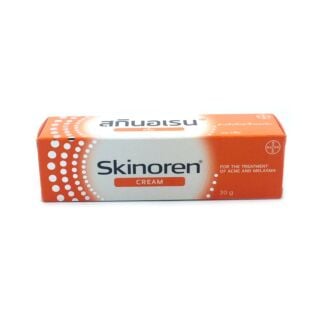
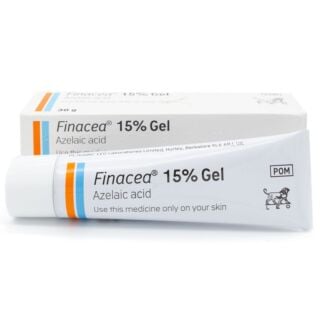
Products containing azaleic acid and adapalene can also help to reduce the appearance of flat marks and hyperpigmentation left by acne, as well as directly clearing breakouts. These acne treatments include Skinoren, Finacea, and Differin Gel.
‘If you have active breakouts, our pharmacists can prescribe treatments to help clear them up. Getting acne under control is the best way to stop new scars from forming. We can’t prescribe treatments for existing acne scars, though. If you’d like to reduce the appearance of your scarring, it’s best to speak to a dermatologist, who can look at your skin and recommend the right procedure for you.’
For stubborn or deep acne scars, some medical procedures can be very effective at reducing their appearance and evening out your skin. Common treatments include:
Dermabrasion, which uses a high-speed rotating tool to scrape away the top layers of the skin and improve its overall smoothness. Dermabrasion is often done under local or general anaesthetic and can take 10-14 days for your skin to fully recover, although a more minor procedure called microdermabrasion is much less invasive.
Laser treatment, which is one of the most common procedures for acne scars. It can improve both raised and pitted scars. Tiny laser beams make small holes in your skin, which encourages it to produce more collagen. As your skin heals, the new collagen helps smooth out its texture.
Punch techniques, which can improve ice pick and boxcar scars. In punch excision, the scar is cut out and the skin is closed, leaving a smaller, flatter mark. Punch elevation lifts the base of the scar so it sits level with the rest of your skin. Punch grafting replaces the scar with a small piece of skin from somewhere else on your body.
Subcision, which is used for indented scars like rolling and boxcar scars. A needle cuts the tight bands of tissue under the scar that pull it down. This releases the skin and encourages new collagen to form, so it heals more evenly with the rest of your skin.
These are cosmetic treatments, so they aren’t usually available on the NHS. Speak to your GP or a dermatologist about which procedures might help with your type of scarring.
How long do acne scars take to fade?
Acne scars can take several months to years to fade, depending on how deep they are and how you treat them. True acne scars, like ice pick, boxcar, rolling, and raised scars, are permanent. However, treatments like laser and dermabrasion can reduce their appearance by up to 75%. Dark marks and flat marks can fade in 3-12 months, either on their own or with help from a product like Bio-Oil.
How can you prevent acne scars?
Treating acne early is the best way to prevent scarring. Some treatments are available over the counter, while stronger ones need a prescription. Speak to one of our pharmacists for personalised advice about which acne treatment is right for you.
Try not to pick or squeeze your spots. It’s one of the main causes of acne scarring, as it damages your skin and pushes bacteria deeper under the surface. Wearing sunscreen, taking your make-up off at the end of the day, and washing your face gently twice a day can also help keep acne and dark marks at bay.
When should you see a doctor about acne scars?
See a GP or dermatologist if your acne scars are getting worse or more painful, or if they don’t fade after you’ve tried treating them yourself. Deep scars like ice pick, boxcar, and rolling scars won’t go away on their own, so they often need medical treatment like laser, dermabrasion, or punch excision. It’s also worth getting advice if you have thick, raised scars that are itchy or painful, or that grow beyond the edges of the original spot.
How Chemist4U can help with acne scars
At Chemist4U, we offer scar gels and oils that can help to fade acne scars, as well as acne treatments to clear breakouts before they scar. If those don’t work for you, our pharmacists can recommend prescription treatments and give you personalised advice about other options.
Start a consultation today to explore your options.
True acne scars are permanent and won’t go away on their own, but products and medical procedures can make them much less noticeable. Flat red, pink, or dark marks that aren’t raised or indented usually fade over time. Products like Bio-Oil can speed this up.
Are acne scars permanent?
Yes. Ice pick, boxcar, rolling, and raised scars are permanent because they’re caused by damage to the skin and the tissue underneath. The products and procedures in this guide can reduce their appearance by up to 75%, depending on your skin and the type of scarring.
Can you get rid of acne scars at home?
You can’t fully get rid of acne scars at home. Some over-the-counter and prescription treatments can make them less noticeable and help to fade dark marks left after breakouts.
Chemist 4 U uses cookies (and other techniques) to enhance your shopping experience.
Read more about our cookie policy, terms and conditions and privacy statement. By continuing on this site and accepting our cookies you agree to the collection of information on this basis by us and by third parties on the platform as well as direct email marketing. Please customise your cookie settings below.
Find out more about our data policies.