Choosing a contraceptive pill can feel daunting. There are dozens of brand names, each with different advantages, making them suitable for different people.
We’re here to help you navigate the birth control pill brands available, work out which suits your needs best, and whether it’s available on the free NHS contraception service.
Three key takeaways
There are many different brands of contraceptive pills available for free on the NHS, which means you’re more likely to find a pill that suits your needs.
Different names of pills contain varying levels of active ingredients. You can choose from high or lower dose, combined pills or progestogen-only (mini) pills.
If other forms of contraception fail, there’s the option to get the morning after pillon the NHS with Chemist4U.
Combined pill brands
The combined contraceptive pill contains synthetic oestrogen and progestogen. There are three basic kinds of combined pills, which are taken in different ways.
Monophasic pill brands
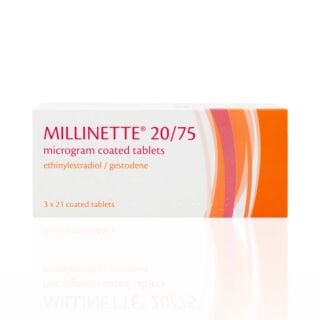
Each monophasic contraceptive pill contains the same amount of oestrogen and progestogen. You take 21 pills followed by a seven-day break.
Packs of every day or ED contraceptive pills contain a number of pills, each with the same dosage, alongside a run of placebo pills. The placebo pills make it easier to remember to take your medication – you take a pill every day, with no breaks.
Is suitable for more people – smokers aged over 35 can take it safely.
Can be taken if you get migraines.
Is highly unlikely to cause raised blood pressure.
May make your periods lighter.
Is a very effective form of contraception – 99% effective if used exactly as directed, 91% with everyday use.
Doesn’t increase your chance of getting blood clots.
Might help to reduce your risk of endometrial cancer.
Can reduce symptoms of (PCOS) and endometriosis.
Disadvantages of the mini pill
Can work less effectively if you vomit or have diarrhoea.
Doesn’t protect against STIs.
Very slightly increases users’ risk of breast cancer.
Needs consistency with timing.
Slightly raises your risk of ectopic pregnancy.
Low dose pill brands
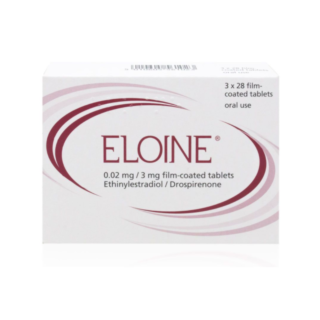
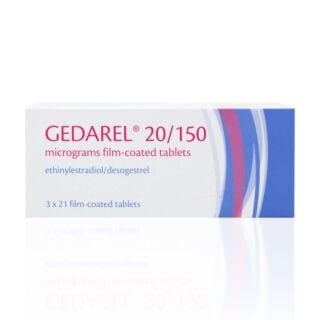
Low-dose combined birth control pills contain 20-35mcg of ethinylestradiol (oestrogen) rather than 30-50mcg. This lower dose reduces the risk of side effects. They are more commonly prescribed than high dose options.
In addition to the benefits of combined pills above, low dose pills:
have fewer hormone-related side effects like bloating, nausea, breast tenderness and headaches
often mean lighter periods
generally mean a faster return to fertility after you stop taking them
are safer for women who are breastfeeding
are less risky for those who have high blood pressure or a history of blood clots
Disadvantages of low dose pills
However, low dose pills are more likely to cause menstrual changes and breakthrough bleeding.
Morning after pill brands
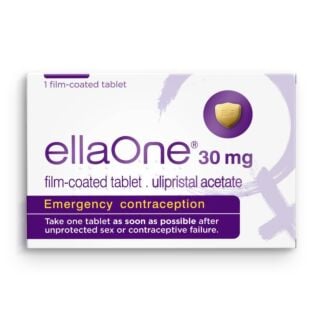
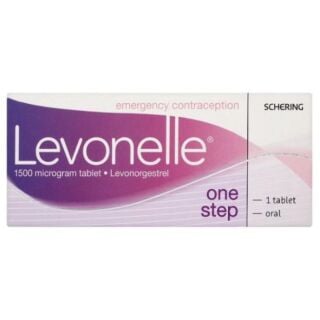
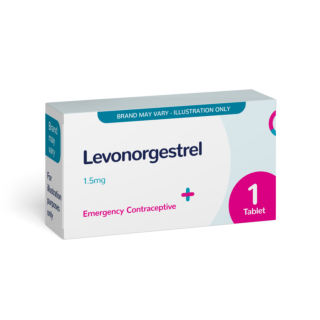
If your contraception has failed or you had sex without using birth control, emergency contraception can stop you getting pregnant. However, the morning after pill isn’t intended to be used regularly or in place of long-term contraception.
Can provide protection from pregnancy if other methods have failed, or if you have had unprotected sex.
Is available over the counter from some pharmacies.
Is very effective.
Is very safe and serious side effects are rare.
Disadvantages of the morning after pill
There are morning after pill side effects, like vomiting, dizziness, aches and fatigue.
Must be taken soon after sex to be effective.
Does not make a satisfactory, long-term form of birth control.
Can cause disruption to your next period.
Free contraception with Chemist4U
“Chemist4U can help with your free NHS contraception without the need to book an appointment with a GP.
“Fill in a quick online consultation and book a call with one of our clinicians. We can then answer your questions, ask if you have any specific requirements, and find the best contraceptive pill for your needs.”
Frequently asked questions about contraceptive pill brands
What is the most popular contraceptive pill?
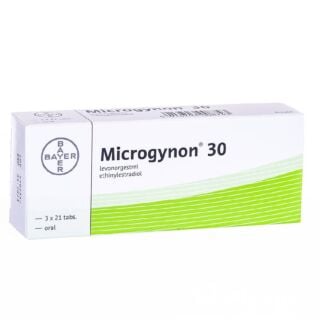
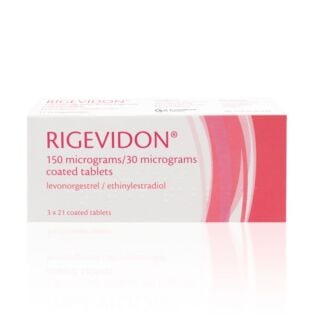
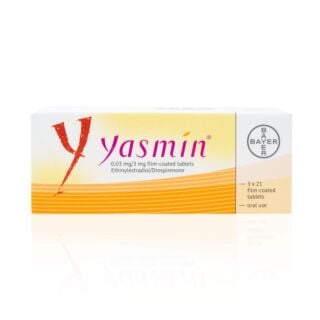
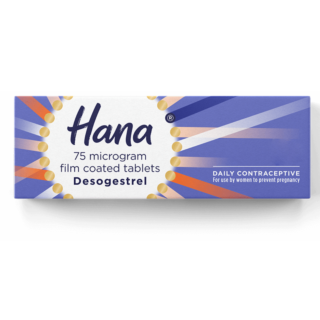
The most widely prescribed brand of combined birth control pill in the UK is Microgynon 30, or it’s equivalents Rigevidon and Ovranette. Yasmin is also very popular. The most popular progesterone-only pills are Cerazette, Cerelle and Hana.
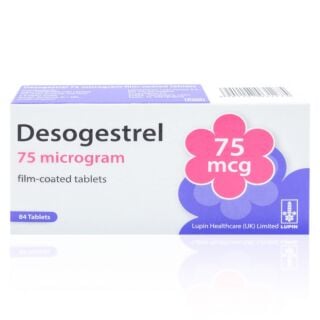
Can I take desogestrel while breastfeeding?
Yes, the NHS advice is clear. If you’ve just had a baby, you can start taking the mini pill immediately, and it’s safe to use when breastfeeding.
Chemist 4 U uses cookies (and other techniques) to enhance your shopping experience.
Read more about our cookie policy, terms and conditions and privacy statement. By continuing on this site and accepting our cookies you agree to the collection of information on this basis by us and by third parties on the platform as well as direct email marketing. Please customise your cookie settings below.
Find out more about our data policies.