Struggling with severe hay fever or allergies? We know how tempting it is to reach for another antihistamine when you’re desperate for relief. But before you do, let’s discuss whether it’s actually safe.
In this guide, we’ll cover how much antihistamine you can take in 24 hours, whether you can take them every day, and what to do if you take too much.
Three key takeaways
For most antihistamines, adults take one tablet per day. This can vary, however, depending on the type and what you’re treating (allergies, insomnia, travel sickness, etc).
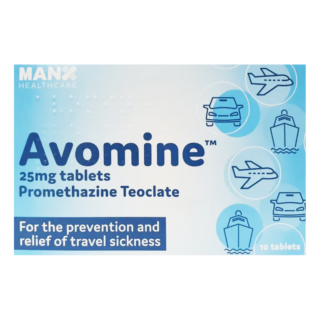
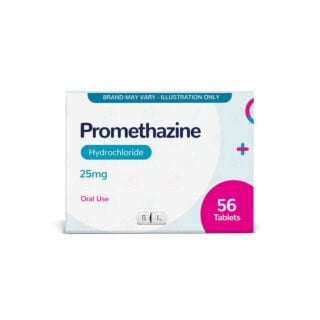
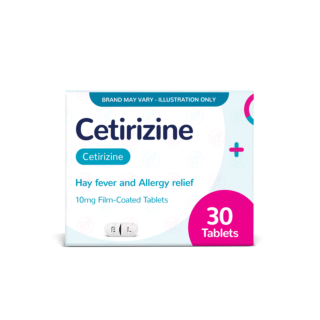
Non-drowsy antihistamines like cetirizine are generally safe to take every day for ongoing allergies, but drowsy ones like promethazine aren’t suitable to take for more than seven days in a row.
Never take more than the recommended dose or combine two antihistamines without speaking to a medical professional first, as this can cause serious side effects or even an overdose.
How many antihistamines can you take in a day?
“For most antihistamines, adults typically take one tablet per day.
“The exact amount depends on which product you're using, your age, how severe your symptoms are, and what you’re treating.
“It's important to stick to one dose per day unless a medical professional tells you otherwise. If you're unsure about the right amount for you, check the patient information leaflet or have a chat with a pharmacist.”
While most antihistamines are taken once a day, some are stronger than others. So, if your current treatment isn’t working, you could switch treatments:
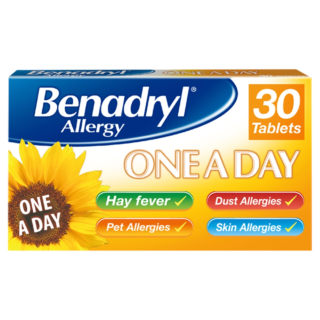
Cetirizine (found in brands like Piriteze and Benadryl): usually comes as a 10mg tablet. Children need smaller doses, and older adults might start with just 5mg.
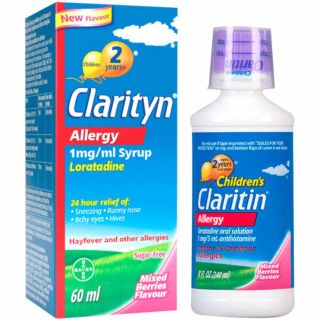
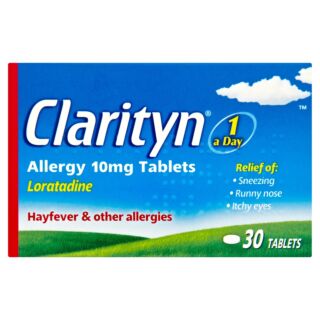
Loratadine (sold as Clarityn): available as a 10mg tablet taken once a day.
Whether you can take antihistamines every day depends on which type you're using.
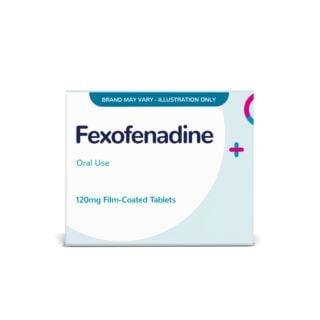
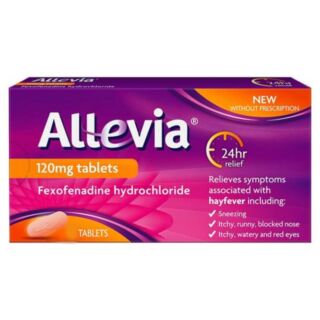
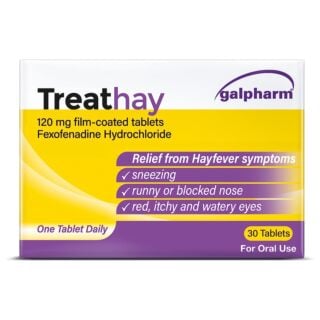
Modern non-drowsy antihistamines like cetirizine, loratadine, or fexofenadine are generally safe for long-term daily use. Many people take them every day for ongoing conditions like hay fever or pet allergies.
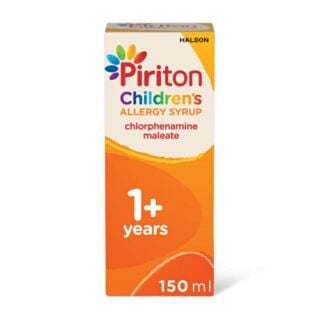
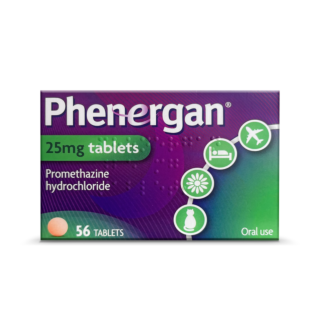
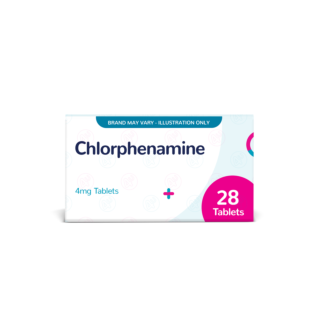
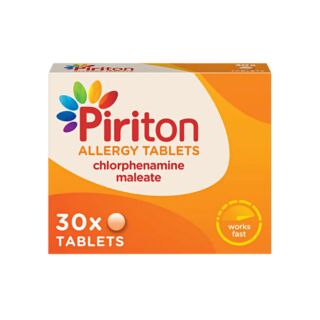
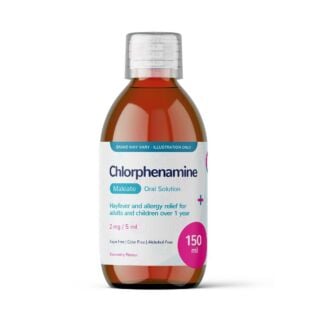
However, older first-generation antihistamines like chlorphenamine (Piriton) and promethazine (Phenergan) shouldn’t be taken every day. They can make you drowsy, may lose their effectiveness over time, and can potentially cause an over-reliance with regular use.
“If you find yourself reaching for antihistamines every single day, it's worth having a chat with a pharmacist or your GP.
“They can check you're on the right type and dose and make sure there's nothing else going on that needs addressing.”
“Their smaller bodies, developing nervous systems, and still-maturing metabolisms mean they process medications very differently. This makes them more sensitive to side effects, which is why getting the right dose is so important.
“Fortunately, most antihistamines come in specific children’s versions with clear dosing instructions based on their age and weight.
“Remember, some antihistamines aren’t suitable for very young children, so always check the label before giving any antihistamine to your child.”
Overdosing on a drowsy antihistamine tends to be more serious and can even include seizures and coma.
If you overdose on a non-drowsy antihistamine, symptoms may include:
dizziness
headaches
drowsiness
restlessness
fast heartbeat (tachycardia)
Antihistamine doses by type
To help you stay safe, we’ve outlined how much antihistamine you should take in 24 hours, depending on your treatment.
We’ve chosen to focus on tablet antihistamines, as they’re the most common form of allergy treatment. However, for some people, particularly young children, a liquid formula may be more suitable.
So, make sure to read the patient information leaflet to find out how often you can take your treatment.
It's also worth noting that some antihistamines, like promethazine, can treat different conditions. Make sure you follow the dosing instructions that match your specific symptoms, whether that's allergies, travel sickness, or sleep problems.
Frequently asked questions about antihistamine doses
Can you take 10mg of antihistamine a day?
Yes, 10mg is the standard daily dose for common antihistamines like cetirizine and loratadine. Always check your specific antihistamine’s instructions as doses can vary.
Can you take 20mg of antihistamine a day?
The recommended daily dose varies depending on which antihistamine you're taking. Common ones like cetirizine and loratadine are 10mg once a day, while promethazine is typically 25mg.
Never exceed the recommended dose, even if your symptoms aren't improving.
This can cause side effects like extreme drowsiness, dizziness, and confusion, and could lead to an overdose. If one antihistamine isn't working, speak to a medical professional about switching to a different type or adjusting your treatment.
Sources
Antihistamines. (2023). NHS. [Accessed 12th February 2026].
Chemist 4 U uses cookies (and other techniques) to enhance your shopping experience.
Read more about our cookie policy, terms and conditions and privacy statement. By continuing on this site and accepting our cookies you agree to the collection of information on this basis by us and by third parties on the platform as well as direct email marketing. Please customise your cookie settings below.
Find out more about our data policies.