Many people think of hay fever as an adult problem, but it can actually affect your little ones, too. So, if your child has been sneezing, rubbing their eyes, or dealing with a runny nose every spring, hay fever could be the culprit.
Thankfully, once you know what you're dealing with, there are plenty of things you can do to help them feel more comfortable.
In this guide, we’ll walk you through everything you need to know about childhood hay fever, including when it starts, what it looks like, and which treatments are safe to use.
Three key takeaways
Hay fever usually starts showing between the ages of two and five and is rare in babies and very young children.
If your child already has asthma or eczema, they may be more likely to develop hay fever as they get older. Hay fever can also make asthma symptoms worse.
Children's hay fever treatments are available from different ages, with some suitable from as young as one. Syrups are often easier for younger children, but always check the patient information leaflet before use.
When do children get hay fever?
“Hay fever is rare in babies and very young children, as their immune systems need time to become reactive to things like pollen. Most children start showing symptoms between the ages of two and five.
“It's also worth keeping an eye out if your child already has allergies or conditions like asthma or eczema, as they may be more likely to develop hay fever as they get older.”
When it comes to timing, hay fever season usually runs from March to September. Tree pollen is the main trigger in early spring, while grass pollen takes over in late spring and summer. Hay fever symptoms can feel worse on warm, sunny, and windy days when pollen counts are at their highest.
When to seek medical help for hay fever in children
“Most cases of hay fever can be managed at home, but there are times when it's worth speaking to your GP.
“If your child's symptoms are severe, not improving with over-the-counter treatments, or are affecting their sleep, concentration, or day-to-day life, it's a good idea to get some medical advice.
“You should also seek help if your child has asthma and their symptoms seem to be getting worse during hay fever season, or if you're unsure what they're experiencing is hay fever or something else.”
Ian Budd, Prescribing Pharmacist at Chemist4U
Best treatments for hay fever in children
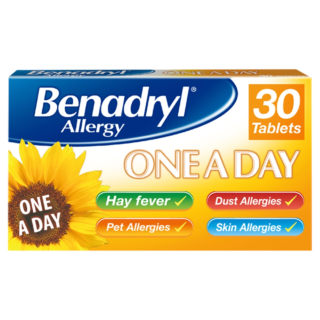
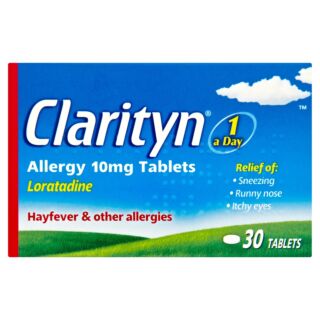
Antihistamine tablets
“Some antihistamine tablets are suitable from the age of six, while others are only recommended from the age of 12, so always check the patient information leaflet first.
“If your child struggles or is too young to comfortably take tablets, choose an antihistamine syrup instead.”
Ian Budd, Prescribing Pharmacist at Chemist4U
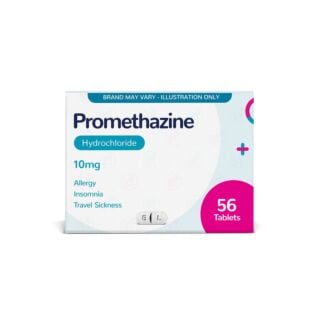
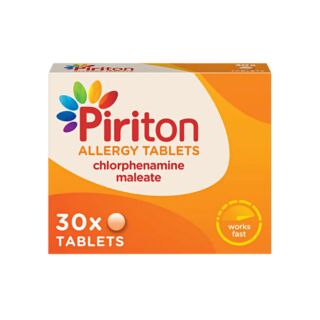
Below we've listed the allergy tablets available for children. It includes the brands you'll likely recognise alongside their unbranded alternatives, which contain the same ingredient but are much cheaper.
We've included both as the recommended age can sometimes differ between suppliers.
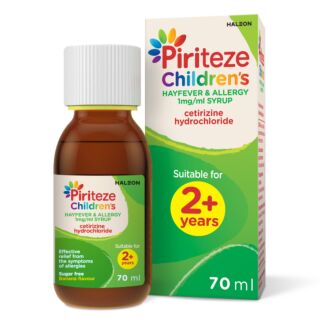
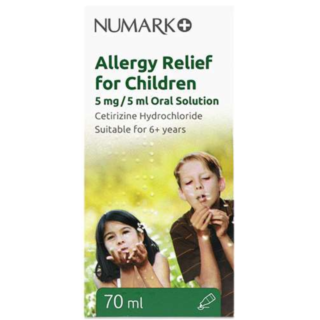
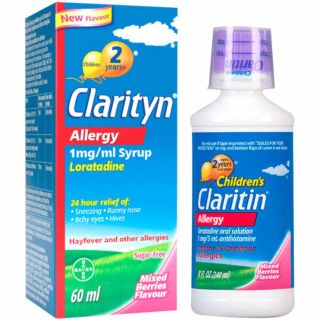
“Antihistamine syrups or solutions are often a better fit for children, as they're easier to take, come in child-friendly flavours, and let you measure out the right dose for your child's age or weight.
“That said, they're not suitable for all ages (due to them being different strengths), so always check the patient information leaflet before use.”
Ian Budd, Prescribing Pharmacist at Chemist4U
The best antihistamine syrups and solutions for children:
What hay fever treatments can you give a child under two?
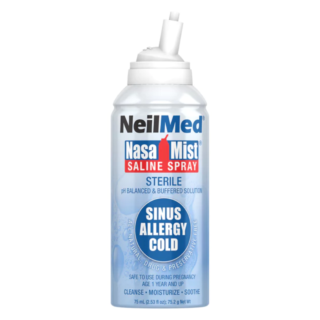
A saline nasal spray like NeilMed's NasaMist simply contains salt water, making it a gentle, drug-free way to help clear pollen from your child's nose.
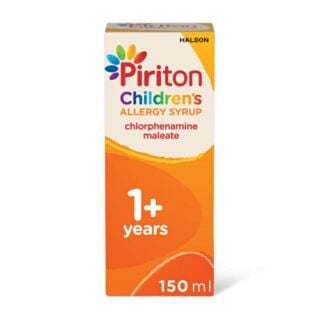
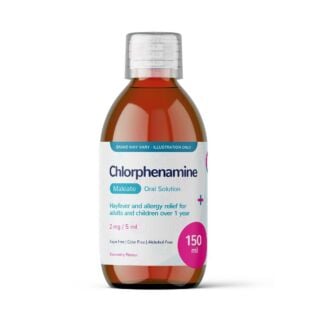
If an antihistamine is needed, Piriton Syrup or its unbranded alternative, chlorphenamine oral solution, are both suitable from the age of one.
However, it's always worth speaking to your GP before giving any medicine to a child this young, as it may not be hay fever they’re struggling with.
Are there any hay fever treatments available for babies?
There are no medical treatments available for babies under one, but there are still some things you can do to help their hay fever or allergies.
Shutting windows on high-pollen days can keep it out, and giving your baby a bath and changing their clothes after time outside removes any lingering pollen.
“Keep in mind that hay fever is very rare before the age of two. So, if your baby seems to be showing hay fever-like symptoms, it's a good idea to book an appointment with your GP to rule out any other causes.”
Ian Budd, Prescribing Pharmacist at Chemist4U
9 tips for managing hay fever in children
Check the pollen count before heading out. On high pollen days, try to plan outdoor activities for earlier in the morning or later in the evening when counts tend to be lower.
Keep windows and doors closed at home and in the car during peak times, especially on warm, sunny, or windy days.
Change their clothes and bathe them after they've been outside to remove any pollen they may have picked up throughout the day.
Apply a small amount of Vaseline around their nostrils to help trap pollen before it enters the nose.
Invest in a good pair of wraparound sunglasses to stop pollen from getting into their eyes.
Dry clothes indoors rather than outside, as pollen can easily stick to fabric left out to dry.
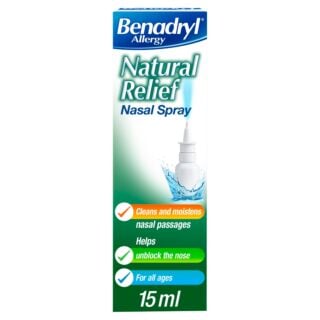
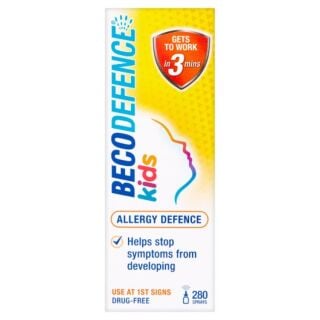
Use hay fever treatments, if suitable, like antihistamine syrups, nasal sprays, or eye drops. Always check the patient information leaflet first to make sure the treatment is appropriate for your child's age and weight.
If hay fever is causing headaches, age-appropriate pain relief like children's paracetamol or ibuprofen can soothe the pain.
If your child has asthma, keep a close eye on their symptoms during hay fever season as pollen can make asthma worse. Make sure they have their inhaler to hand and speak to your GP if you notice any changes.
How Chemist4U can help
It can be tough watching your little one struggle with hay fever, but the right treatment can make a real difference.
Whether you're after a gentle, drug-free treatment for your youngest or an antihistamine syrup or tablet for an older child, we stock a range of options to help get them feeling more like themselves.
From trusted brand names to more affordable unbranded alternatives that work just as well, we've got you covered. Once you've checked out, we'll deliver your order quickly and discreetly straight to your door.
Frequently asked questions about hay fever in children
Does hay fever in babies go away on its own?
Hay fever does not go away on its own, but symptoms can ease as children get older. Managing triggers and using the right treatments can make a big difference in keeping your child comfortable.
What is the difference between a syrup and a solution?
A syrup is thicker and usually sweetened or flavoured, making it easier for children to take. A solution is thinner and more watery, but it works in the same way.
Can I take hay fever tablets when breastfeeding?
Yes, but not all of them. Cetirizine and loratadine are potentially the safest antihistamines to take while breastfeeding, but always check with your GP beforehand to ensure it’s safe for your baby.
Which antihistamines can I take when pregnant?
Cetirizine and loratadine are generally considered the safest antihistamines to take during pregnancy. However, you should only take them if prescribed or recommended by your GP or pregnancy health expert.
Sources
Hay Fever. (2024). NHS. [Accessed 19th February 2026].
Hay Fever. (2024). Royal Children's Hospital Melbourne. [Accessed 19th February 2026].
Chemist 4 U uses cookies (and other techniques) to enhance your shopping experience.
Read more about our cookie policy, terms and conditions and privacy statement. By continuing on this site and accepting our cookies you agree to the collection of information on this basis by us and by third parties on the platform as well as direct email marketing. Please customise your cookie settings below.
Find out more about our data policies.