You probably think you know how to brush your teeth. And you might be right! But studies suggest that a large number of people are doing it wrong, likely without even realising it. From missing parts of their teeth to not brushing twice a day, these small habits can cause big dental problems over time.
Fortunately, getting your brushing routine right is simple once you know what to look for.
In this guide, we’ll cover signs you aren’t brushing correctly, how long, often, and when to brush your teeth, and the best tools to use to improve your dental health.
Three key takeaways
Brush twice a day for two minutes using a soft-bristled, electric toothbrush and fluoride (or sensitive, if needed) toothpaste. Most people brush for less than a minute, which isn't enough to remove plaque properly.
Technique matters just as much as how often you brush. Gentle, short strokes at a 45-degree angle beat scrubbing hard, and can help protect your gums and enamel in the long run.
Brushing is just the start. Flossing, staying hydrated, limiting sugary snacks, and seeing your dentist regularly all play a big part in keeping your mouth healthy.
How to brush your teeth in 8 steps
1. Choose the right tools
Before you start, make sure you've got a good toothpaste and toothbrush.
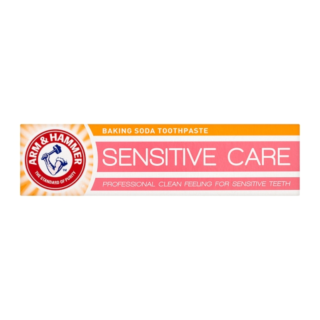
“If you struggle with sensitive teeth, use a sensitive toothpaste, which is specially formulated to help with discomfort.
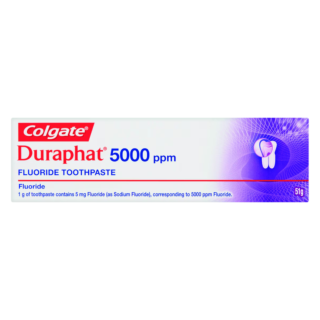
“If not, a regular fluoride toothpaste is the ideal choice as it strengthens your enamel and is your best defence against cavities. Duraphat, which is a high-strength fluoride toothpaste, can even help with the early signs of tooth decay.”
Begin with the outer surfaces of your teeth and take your time. Gently brush your upper teeth first, then your lower teeth. Going tooth by tooth can help you slow down and make sure you don't miss any spots.
3. Brush along the gum line
Tilt your brush at a 45-degree angle and brush against the gum line to clear out any trapped plaque or food debris. Use short, gentle back-and-forth strokes about the width of a single tooth.
Try not to press too hard, as brushing with too much force can irritate your gums and cause them to bleed.
4. Clean the inner surfaces
Because the insides of your teeth aren't as visible, it's tempting to skip them, but they're just as vulnerable to plaque. Keep your brush at a 45-degree angle and use the same short back-and-forth strokes to clean the inner surfaces of both your upper and lower teeth.
5. Don’t forget the chewing surfaces
Use short back-and-forth strokes to brush the tops of your back teeth, where food can easily get trapped.
6. Brush your tongue
Give your tongue a gentle brush to remove odour-causing bacteria.
7. Spit, don’t rinse
Once you're done, spit out the toothpaste but resist the urge to rinse with water. Leaving the fluoride on your teeth gives it more time to protect your enamel.
8. Floss between your teeth
Your toothbrush can't reach the gaps between your teeth, and that's where plaque and food debris love to hide. Take a strip of floss and gently work it between each tooth, curving it around the base to get just under the gum line.
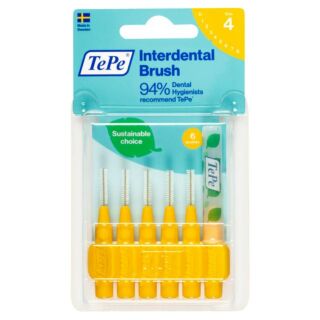
If you find floss fiddly, interdental brushes are a great alternative and just as effective.
Try splitting your mouth into four sections (top left, top right, bottom left, bottom right) and spending 30 seconds on each. A phone timer or an electric brush with a built-in timer makes this much easier to stick to.
Should you brush your teeth before or after breakfast?
Although you might not like the taste of orange juice after you brush your teeth, you should brush before breakfast, not after.
When you sleep, bacteria in your mouth multiply and produce acids that attack your enamel (this is what causes ‘morning breath’). Brushing first thing removes this buildup and coats your teeth with a protective layer of fluoride before you eat.
If you eat or drink something acidic (like orange juice or fruit), your enamel softens temporarily. Brushing straight after can scrub away softened enamel, which can cause erosion.
How long after brushing your teeth can you eat?
If you brush before breakfast, you can eat straight away. The fluoride in toothpaste bonds to your teeth quickly, so there's no need to wait.
If you do choose to brush after eating, wait at least 30 minutes (up to one hour is better) to give your enamel time to reharden, especially if your meal included anything acidic.
What happens if you don’t brush your teeth?
Skipping brushing occasionally isn't a disaster, but making it a habit can lead to problems over time.
Within hours of not brushing, plaque starts to form on your teeth. Plaque is a sticky coat of bacteria that feeds on the sugars in your food and produces acid as a result. Left unchecked, this leads to:
tooth decay and cavities, as acid slowly erodes your enamel
gum disease, starting with inflammation (gingivitis) and potentially progressing to periodontitis, which can cause tooth loss
bad breath, caused by bacteria building up in your mouth
tartar, a hardened form of plaque that can only be removed by a dentist or hygienist
5 signs you aren’t brushing your teeth correctly
Even if you brush twice a day, you might not be getting the results you should. Here are five signs that your technique could use a tweak.
1. Your gums bleed when you brush
A little bleeding can be a sign of gum disease, but it's also a common sign that you're brushing too hard or using a medium or hard-bristled brush. Switch to a soft brush and ease up on the pressure. Remember, your gums are soft, unlike your teeth!
2. Your teeth feel sensitive
If hot, cold, or sweet foods trigger sensitivity, it could be a sign of worn enamel or receding gums, both of which can be caused by aggressive brushing over time. Try using a sensitive toothpaste like Sensodyne to soothe the discomfort.
3. You’ve got persistent bad breath
If bad breath doesn't clear up after brushing, you may be missing areas where bacteria are building up, like the backs of your teeth, your gum line, or your tongue.
4. Your toothbrush wears out quickly
A brush that looks frayed after just a few weeks is a sign that you're pressing too hard. You should be using gentle pressure, just enough to feel the bristles against your gums.
5. Your dentist keeps finding new plaque or tartar
If your dentist regularly finds significant buildup despite you brushing regularly, it's worth asking them to walk through your technique with you. Small adjustments can make a big difference.
8 tips for oral hygiene
1. Floss at least once a day
Your toothbrush can't reach between your teeth, and that's where a lot of decay and gum disease starts. Floss or use interdental brushes at least once a day, ideally before your evening brush.
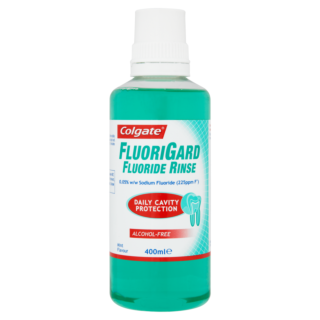
2. Use a fluoride mouthwash at a different time to brushing
If you want to use mouthwash, don't use it immediately after brushing, as it'll rinse away the fluoride from your toothpaste. Use it at a separate time, like after lunch, so it adds to your fluoride protection rather than washing it away.
“For most adults, a fluoride toothpaste is all you need. Look for one with at least 1350ppm (parts per million) of fluoride, as recommended by the NHS.
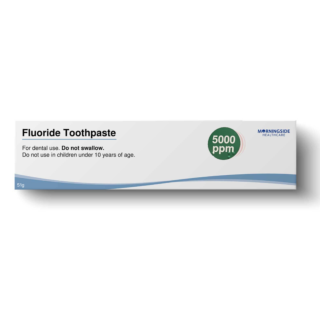
“If your dentist has flagged early tooth decay, they may suggest a high-strength option like Duraphat, which contains 2800 or 5000ppm.
“If you've got sensitive teeth, a toothpaste like Sensodyne can help with discomfort. Always be cautious and read the label before you buy, as some whitening or ‘natural’ toothpastes can be lower in fluoride than you'd expect.”
Claire Irwin, Prescribing Pharmacist at Chemist4U
4. Limit sugary and acidic foods and drinks
Every time you eat or drink something sugary, the bacteria in your mouth feed on it and trigger an acid attack that lasts around 20 to 30 minutes. These acids wear down your enamel and cause tooth decay over time.
“It's not necessarily how much sugar you consume that does the damage. It's how often.
“Snacking on something sweet throughout the day means your teeth are under near-constant attack, so keeping sugary and acidic food and drinks to mealtimes can make a difference.”
Claire Irwin, Prescribing Pharmacist at Chemist4U
5. Stay hydrated
Saliva is your mouth's natural defence against bacteria. Drinking plenty of water throughout the day helps keep your mouth clean between brushes.
6. Chew sugar-free gum after meals
If you can't brush after eating, sugar-free gum stimulates saliva production, which helps neutralise acids and wash away any food debris.
7. Change your toothbrush regularly
A worn toothbrush is much less effective. Replace it every three to four months, or after any illness.
8. See your dentist regularly
Even with a perfect brushing routine, professional check-ups and cleans are still important. Most people should visit every six to 12 months, but your dentist will advise on what's right for you.
How Chemist4U can help
Whether you're stocking up on everyday dental essentials or looking for something to help with the early stages of tooth decay, we've got you covered. Our range includes toothpastes, toothbrushes, interdental brushes, floss, mouthwashes, and more, all from well-known brands you can trust.
If you're concerned about tooth decay, we also offer prescription-strength Duraphat toothpaste. Simply complete a short online consultation and one of our clinicians will let you know if it's right for you.
If you've got any questions about which products might suit you best, our team is always happy to help.
Frequently asked questions about brushing your teeth
When should you start brushing your baby’s teeth?
You should start brushing your baby's teeth as soon as the first tooth appears, which is usually around six months old. Use a small, soft baby toothbrush with just a smear of fluoride toothpaste (at least 1000ppm fluoride) and build it into your child’s daily routine, morning and evening.
What is the 3-3-3 rule for brushing teeth?
The 3-3-3 rule originated in South Korea, though the three ‘3s’ can vary depending on who you ask. The most common version means brushing three times a day (after breakfast, lunch, and dinner), for three minutes, within three minutes of finishing your meal.
Other interpretations include covering all three sections of your teeth (front, back, and chewing surfaces) and replacing your toothbrush every three months. That said, NHS guidance recommends brushing twice a day rather than three times, and it’s better to brush before eating, not after.
So, when in doubt, follow that or the advice of your dentist.
Is it okay not to rinse out toothpaste?
Yes, and it's actually encouraged. Rinsing with water after brushing washes away the fluoride your toothpaste has left on your teeth, reducing its protective effect. It can feel strange not to rinse at first, especially if you're used to it, but over time it becomes the new normal and your teeth will thank you for it.
Can yellow teeth turn white again?
It depends on what's causing the yellowing. Surface stains from things like tea, coffee, and smoking can often be tackled with whitening toothpaste or a professional clean. Deeper, natural yellowing is harder to shift and may need professional whitening treatment from a registered dentist.
At-home whitening products like strips can increase sensitivity, so always speak to your dentist before starting any treatment to make sure it's right for you.
Chemist 4 U uses cookies (and other techniques) to enhance your shopping experience.
Read more about our cookie policy, terms and conditions and privacy statement. By continuing on this site and accepting our cookies you agree to the collection of information on this basis by us and by third parties on the platform as well as direct email marketing. Please customise your cookie settings below.
Find out more about our data policies.