Semaglutide is a prescription medicine used in the UK to treat type 2 diabetes and support weight management in eligible adults.
It works by mimicking a natural hormone (GLP-1 receptor agonist), increasing insulin secretion, suppressing glucagon, and slowing gastric emptying. This helps regulate appetite and blood sugar.
This guide explains how semaglutide works, how much weight you might lose, who it’s suitable for, and what to expect from treatment.
Three key takeaways
Semaglutide is licensed in the UK for type 2 diabetes and weight management, depending on the brand and dose.
It supports weight loss by reducing appetite and improving blood sugar control.
Eligibility and dosing differ depending on whether it is prescribed for diabetes or weight loss.
What is semaglutide?
Semaglutide is a GLP-1 receptor agonist that helps regulate blood sugar and appetite. It mimics a hormone called glucagon-like peptide-1 (GLP-1), which is released after eating.
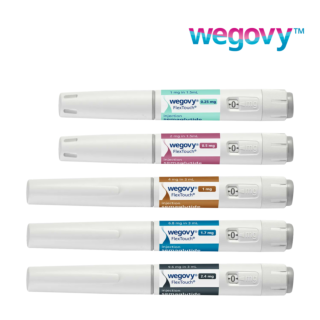
It is available in the UK under brand names including:
Semaglutide is used to treat type 2 diabetes and to support weight management in adults with obesity or overweight with related health conditions. Licensing depends on the product and dose.
For weight management, semaglutide is licensed as Wegovy. For type 2 diabetes, it is licensed as Ozempic. While both medicines contain the same active ingredient (semaglutide), they are approved for different conditions and used at different dosing schedules depending on their purpose.
Semaglutide and weight loss
Semaglutide supports weight loss by reducing appetite, increasing fullness, and slowing stomach emptying. This helps you eat less without feeling cravings or food noise. Some of your brain’s signals around food can change.
Clinical trials show an average weight loss of an average of 21% of your starting body weight at the highest maintenance dose when combined with lifestyle changes. Results vary between individuals, and it’s always recommended that individuals take medication alongside diet and lifestyle changes to support long-term and sustainable treatment goals.
It is important to remember:
Weight loss is gradual and not always linear.
Results dependon several factors like dose, consistency, and lifestyle/dietary changes.
No treatment guarantees specific outcomes. If you have concerns that your treatment isn’t working effectively, we can review your treatment plan or explore alternative options.
How long does semaglutide take to work?
“Appetite changes may begin within the first few weeks, but significant weight loss usually takes several months. Dose increases happen gradually over 16–20 weeks to prevent side effects and help your body get used to the medication.
“Steady progress is more sustainable than rapid change, alongside changes in diet and lifestyle. This helps support long-term treatment goals and ensures the weight loss is sustainable and healthy.
“This might include improving sleep, lowering stress levels, incorporating daily movement into your regimen, and eating more nutrient-dense, less over-processed foods. A combination of these factors, alongside dose increases in semaglutide, is more likely to result in greater and longer-lasting weight management.”
For weight loss, your dose increases will depend on how you’re responding to treatment, your treatment plan, progress, and goals.
Everyone’s treatment plan is different, so it’s important not to compare your progress with others. If you have questions about your dose or feel your treatment isn’t working as expected, speak to your clinician.
Who can use semaglutide for weight loss?
Wegovy may be prescribed for adults with a Body Mass Index (BMI) of 30 or more, or 27 with weight-related conditions.
It may be available:
through specialist NHS services
privately via regulated clinics like Chemist4U
Prescribing criteria are different on the NHS and stricter.
To be considered for Wegovy on the NHS, you usually need:
a BMI of 35 or higher (or 32.5 for some ethnic groups)
Before medication is considered, people are usually asked to try lifestyle changes, like improving their diet and increasing physical activity.
If further support is needed, a GP may refer you to a specialist weight management service, where clinicians can assess whether treatment like Wegovy is appropriate.
Semaglutide is not suitable for everyone. You should not use it if you are pregnant, breastfeeding, or have certain medical conditions.
It may not be suitable if you have:
a history of medullary thyroid cancer
multiple endocrine neoplasia type 2
severe gastrointestinal disease
had pancreatitis
A clinician will assess your medical history before prescribing.
Semaglutide and type 2 diabetes
Semaglutide helps lower blood sugar in adults with type 2 diabetes. It improves insulin release when blood sugar is high and reduces glucose production.
How does semaglutide treat type 2 diabetes?
Semaglutide lowers HbA1c by improving insulin response and slowing glucose release from the liver. It also reduces appetite, which may support weight reduction.
Better blood sugar control reduces the risk of long-term complications like heart disease, stroke, and kidney disease.
What semaglutide treatments are available for type 2 diabetes?
Semaglutide is available as:
Ozempic (weekly injection)
Rybelsus (daily tablet)
People managing diabetes may also use glucose monitors. Explore our range of blood glucose monitors to support regular testing.
How effective is semaglutide at treating diabetes?
Clinical studies show semaglutide significantly reduces HbA1c compared with placebo.
Improved HbA1c lowers the risk of complications over time. This means semaglutide is an effective treatment for treating diabetes.
Who can use semaglutide for diabetes?
Semaglutide may be prescribed for adults as Rybelsus or Wegovy with type 2 diabetes when diet, exercise, and other medicines are not enough.
It is typically considered:
after Metformin
when blood sugar targets are not achieved
when weight management is also a concern
Who should not take semaglutide for diabetes?
Semaglutide may not be suitable for pregnant women, people with certain thyroid conditions, or those with previous pancreatitis.
Clinical supervision is essential.
Potential semaglutide side effects
The most common side effects are digestive and usually mild to moderate. These include nausea, diarrhoea, constipation, and vomiting.
Helpful strategies for managing any potential side effects you might be experiencing when you start and throughout your treatment journey include:
eating smaller meals that are nutritionally dense
avoiding high-fat and overly processed foods
staying hydrated
increasing dose incrementally and only as prescribed
Alternative treatments to semaglutide
Other treatment options may include:
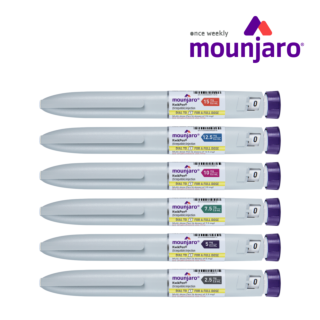
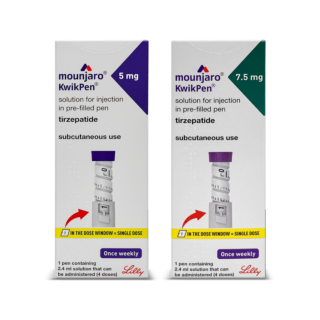
Tirzepatide (Mounjaro): A weekly injection that targets two hormone pathways, GLP-1 and GIP. This dual action helps regulate appetite and blood sugar levels, which can support significant weight loss.
Liraglutide (Saxenda): A daily injection that works in a similar way to semaglutide by mimicking the GLP-1 hormone. It helps reduce appetite, increase feelings of fullness and support weight loss when combined with diet and lifestyle changes.
Lifestyle-only weight management programmes: Structured plans that focus on nutrition, physical activity, behaviour change and long-term habit building without medication. These may be recommended for people who do not meet prescribing criteria or prefer a non-medication approach.
Other prescription-based diabetes medications: Some medicines used to treat type 2 diabetes can support blood sugar control and, in certain cases, may also contribute to modest weight loss depending on the treatment.
Suitability depends on your health history, treatment goals and a clinical assessment.
Our licensed and experienced clinicians can assess your eligibility for Wegovy and support you throughout your treatment journey. We provide regulated prescriptions, clear guidance, and ongoing support to help you manage your health safely.
Chemist 4 U uses cookies (and other techniques) to enhance your shopping experience.
Read more about our cookie policy, terms and conditions and privacy statement. By continuing on this site and accepting our cookies you agree to the collection of information on this basis by us and by third parties on the platform as well as direct email marketing. Please customise your cookie settings below.
Find out more about our data policies.