Weight Loss
Deciding to lose weight is a big step, and it can make a real difference to your health and happiness. Even though the journey can be tough at times, every small change brings you closer to feeling better, inside and out. … Read More See less
Reaching a healthy weight doesn’t just protect you from problems like heart disease and type 2 diabetes–it can also lift your mood, give you more energy, and help you feel more confident.
Most people start by eating better and moving more, but sometimes, that’s not enough. If you need extra support, you’re not alone.
Today’s treatments, like prescription weight loss pills and injections, can give you the helping hand you need to reach your goals. We’re here to guide you, answer your questions, and help you find the right weight loss treatment for you.





Related Guides


Do I need to lose weight?
If you’re wondering whether you need to lose weight, a good place to start is by checking your Body Mass Index (BMI).
BMI is a simple calculation that compares your weight to your height, and it’s a widely used way to see if you’re in a healthy range. You can use an online weight loss calculator to quickly find your BMI and see if you fall into the healthy, overweight, or obese category.
Obesity is defined as having a BMI of 30 or above. This means your body is carrying more fat than is healthy for your height. Obesity is a common issue in the UK, with over a quarter of adults affected.
It’s important to know that obesity can increase your risk of serious health problems such as type 2 diabetes, heart disease, high blood pressure, and joint pain. It can also make everyday life harder, causing fatigue, low energy, and breathlessness.
In fact, according to our analysis of the latest diabetes statistics, those considered obese are up to 80 times more likely to develop type 2 diabetes than those with a BMI of 22 or less.
While it can be tempting to try extreme weight loss methods like crash diets, these approaches are rarely safe or effective in the long run.
The healthiest and most sustainable way to lose weight is through steady changes to your diet and activity, sometimes with the support of clinically proven weight loss treatments if you need extra help.
If you’re unsure where to begin, try using a weight loss calculator to check your BMI and set realistic goals. If you find you’re in the overweight or obese range, remember you’re not alone, and support is available.
About weight loss treatments
Weight loss treatments are here to give you a helping hand when healthy eating and exercise aren’t quite enough on their own. Today, there are more choices than ever, so you can find something that fits your lifestyle and goals.
You can choose from MHRA-approved weight loss injections like Mounjaro, Wegovy (Ozempic), and Saxenda, or oral weight loss treatments like Wegovy pills, Foundayo, orlistat (Alli, Orlos, Xenical), and Mysimba. In addition to these, weight loss supplements like XLS-Medical offer a non-prescription alternative.
All these treatments work best when you use them alongside a balanced diet and regular exercise.
Prescription weight loss medication
Reaching a healthy weight isn’t always straightforward, as many factors can influence your progress.
If you have a higher BMI and have found it difficult to lose weight through diet and exercise alone, there are proven prescription weight loss treatments that can give you extra support, if you’re eligible.
While these medicines aren’t a quick fix, they can make your journey to a healthier weight more manageable.
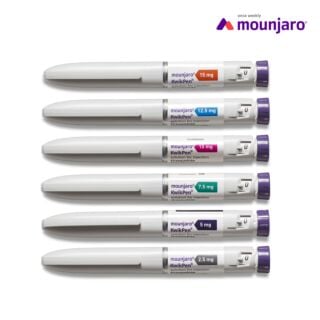
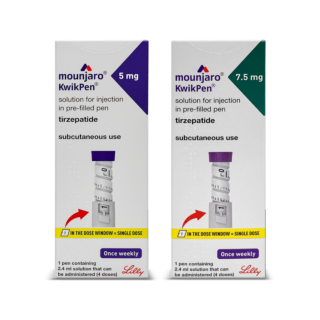
- Mounjaro is a weekly injection supplied in an easy-to-use, pre-filled KwikPen and is licensed in the UK for weight loss. Complete a quick online consultation with our weight loss experts to see if a Mounjaro treatment is suitable for you.
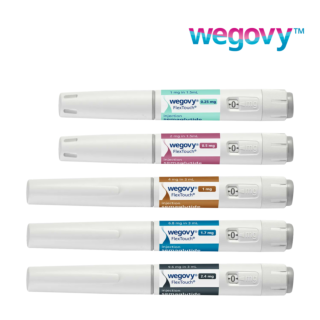
- Wegovy is another popular weight loss injection that helps you feel fuller for longer, making it easier to eat less and lose weight. It comes in a pre-filled FlexTouch pen that you inject weekly.
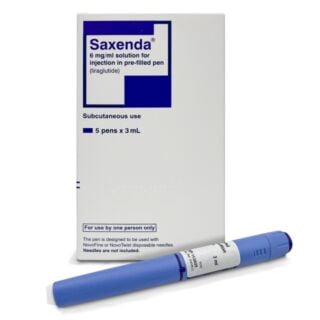
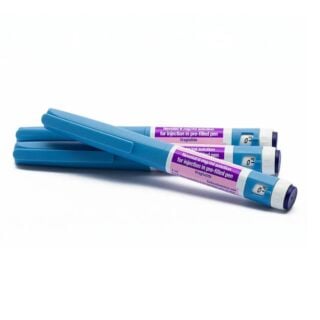
- Saxenda is a daily injection that works in a similar way, helping to control your appetite and support your weight loss goals.
If you prefer pills over injections, here are some of the best weight loss pills available.
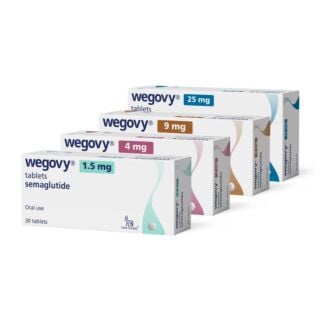
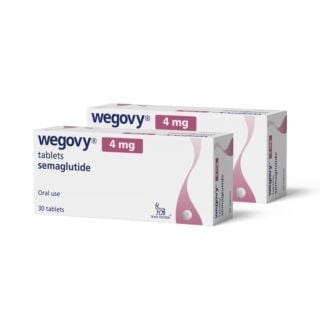
- The Wegovy pill is a once-daily oral tablet that works in the same way as the Wegovy injection, and is licensed in the UK for weight loss. Complete a quick online consultation with our weight loss experts to see if a Wegovy pill treatment is suitable for you.
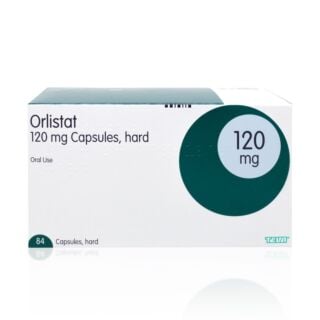
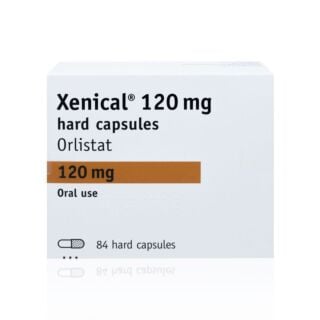
- Orlistat (Xenical) comes in capsule form and works by reducing the amount of fat your body absorbs from food. These capsules are suitable for adults with a BMI of 30 or above and have a long track record of safe use.
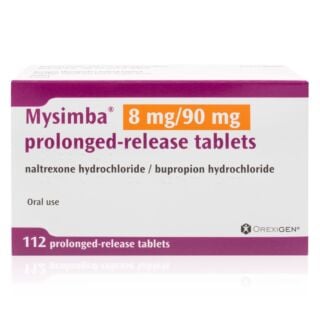
- Mysimba is a prescription weight loss tablet that targets areas of the brain involved in hunger and cravings, helping you to stay on track with your eating plan.
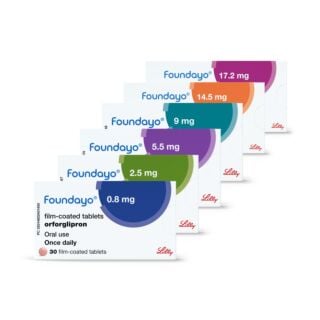
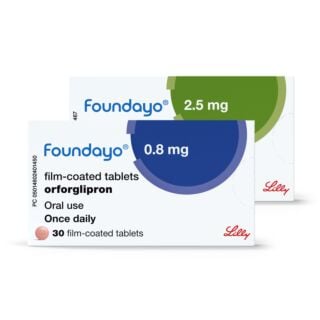
- Foundayo is the first oral weight loss tablet of its kind, as it doesn't require any fasting so can be taken at any time of day, with or without food. It's licensed in the UK for weight management, and is available to those eligible following an online consultation.
How do weight loss injections work?
Wegovy and Mounjaro weight loss injections are popular choices for people seeking extra support to lose weight.
These medications work by mimicking natural gut hormones (GLP-1 and both GLP-1 and GIP for Mounjaro) that help regulate appetite and blood sugar. By acting on areas of the brain that control hunger, they help you feel fuller for longer, reduce cravings, and naturally lower your calorie intake.
They also slow down how quickly food leaves your stomach, which helps you stay satisfied after meals and reduces the urge to snack.
Additionally, these injections help balance blood sugar by increasing insulin release and reducing the amount of sugar produced by the liver, which can further curb appetite and prevent energy crashes.
It’s important to remember, though, that weight loss injections aren’t a magic solution. For the best results, they should be used alongside a healthy diet and regular physical activity.
As these injections can cause drastic weight loss quickly, exercising during your treatment is crucial to prevent loose skin after weight loss.
What are the benefits of weight loss injections?
In clinical trials, people on Mounjaro lost about 22.5% of their body weight after 72 weeks, while those on the highest dose of Wegovy lost around 21% after 72 weeks. However, weight loss injections offer more benefits than simply effective weight loss. They may also:
- improve blood sugar control, heart health and kidney function
- lower the risk of certain cancers
- support fertility in women with PCOS/PMOS
- potentially reduce addictive behaviours
Weight loss injections may be a great option for people who have difficulty swallowing pills or who often forget to take a daily tablet or capsule.
How do weight loss pills work?
Weight loss pills that actually work, like the Wegovy pill, Mysimba, and orlistat, help support weight loss by targeting different processes in the body.
The Wegovy pill contains semaglutide, a GLP-1 receptor agonist that works on appetite centres in the brain, helping you feel fuller for longer and reducing hunger, in the same way as the Wegovy injection.
Foundayo is another GLP-1 oral weight loss treatment, and its active ingredient orforglipron works on your body in the same way as the Wegovy pill. What sets it apart though, is that it's a small-molecule GLP-1, meaning it doesn't require a fast and can be taken at any time of day, with or without food.
Mysimba (which contains the active ingredients naltrexone and bupropion) works on the brain’s appetite control centres, reducing hunger and cravings by affecting neurotransmitters like dopamine and norepinephrine, which can help you eat less and resist unhealthy snacks.
Orlistat (Xenical) works in your digestive system by blocking the enzyme that breaks down fat, so about a quarter of the fat you eat passes through your body instead of being absorbed.
Like all weight loss treatments, they’re most effective when combined with a healthy diet and regular exercise, and they are prescribed for adults with a higher BMI or weight-related health risks.
What are the benefits of weight loss pills?
Weight loss tablets and capsules like Wegovy pills, Mysimba, and orlistat offer a simple and convenient way to support your weight loss journey, especially if you’d rather avoid injections.
One of the biggest advantages is that you don’t need to inject anything – just take your medication by mouth as part of your daily routine. Some pills like Foundayo are even more convenient by requiring no fasting, and having no requirements as to when you take them!
Unlike weight loss injections, these pills don’t require any special storage or refrigeration, so you can keep them with your other medicines and take them wherever you go.
The Wegovy pill helps to reduce appetite and leave you feeling fuller for longer. In the OASIS 4 trial, adults taking Wegovy pill's 25mg dose lost an average of 17% of their body weight over 64 weeks, with early responders (over 10% lost by week 16) reaching 22% on average by the end.
Mysimba helps by reducing hunger and cravings, making it easier to stick to a healthy eating plan and resist snacking.
When combined with a healthy diet and exercise, those using Mysimba could expect to lose around 5% of their body weight within the first 16 weeks. This can increase to an average loss of 11.5% after one year of treatment.
Orlistat works by blocking about a third of the fat you eat from being absorbed, so your body naturally gets rid of it instead of storing it as extra weight.
People using orlistat can lose up to 10% of their body weight in the first 6 months. After one year, this number could reach 15%.
Non-prescription weight loss treatments
If prescription medications aren’t for you, non-prescription weight loss supplements like XLS-Medical could be worth considering.
Products such as XLS-Medical Max Strength and Fat Binder are designed to attach to carbohydrates or fats in meals, reducing the amount your body absorbs and helping to lower your daily calorie intake.
To get the most benefit, these supplements should be combined with a balanced, calorie-controlled diet and regular physical activity. Used in this way, they may help you lose more weight than relying on diet alone.
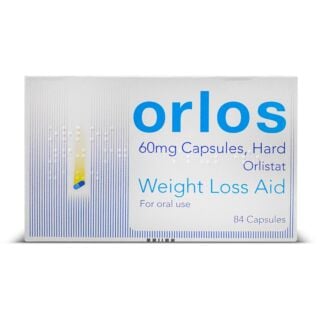
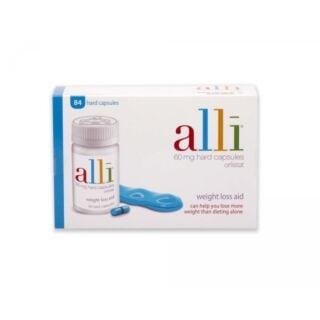
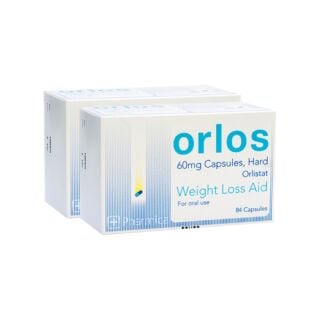
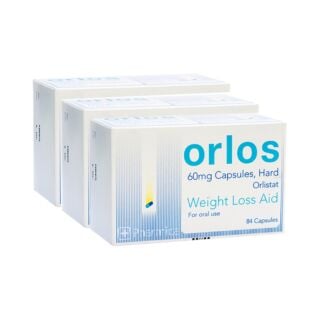
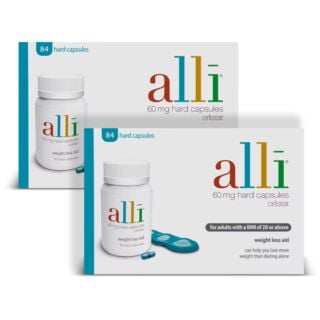
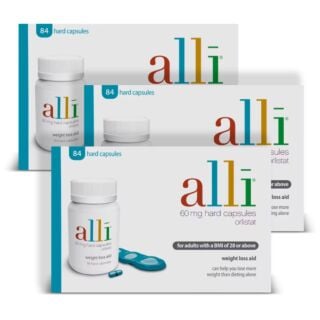
Orlos and Alli contain orlistat and are over-the-counter weight loss pills. They have a lower dose (60mg) than prescription versions like generic/unbranded orlistat and Xenical (120mg), so you don’t need a prescription, but a pharmacist will check if it’s suitable for you.
Remember, lasting weight loss is best achieved gradually. Setting realistic goals and taking a steady approach will make it easier to maintain your progress.
Support from friends and family can also help keep you motivated and on track throughout your journey.
Which weight loss treatment is right for me?
Choosing the most suitable weight loss medication depends on factors like your BMI, medical background, and whether you’d rather take a tablet or have an injection.
To help you find the best fit, here’s an overview of the different weight loss treatments offered by Chemist4U, allowing you to compare your options easily.
| Treatment | Administration | Results | Prices | Availability |
| Mounjaro | Weekly injection | After 72 weeks, you could lose up to 22.5% of body weight | £148+ | Prescription-only, in stock |
| Wegovy | Weekly injection | After 72 weeks, you could lose up to 21% of body weight | £99+ | Prescription-only, in stock |
| Saxenda | Daily injection | After 1 year, you could lose up to 5-10% of body weight | £75+ | Prescription-only, limited stock |
| Wegovy pills | Once-daily pill | After 64 weeks, you could lose up to 17% of body weight (22% for early responders) | £99+ | Prescription-only, in stock |
| Orlistat (Alli, Orlos, Xenical) | 3 capsules daily | After 1 year, you could lose up to 15% of body weight | £27+ | Prescription-only (unbranded orlistat and Xenical), over-the-counter (Orlos and Alli), in stock |
| Foundayo | Once-daily pill | After 72 weeks, you could lose up to 12.4% of body weight | £109+ | Prescription-only, in stock |
| Mysimba | 1-4 tablets daily | After 1 year, you could lose up to 11.5% of body weight After 1 year, you could lose up to 11.5% of body weight | £99+ | Prescription-only, in stock |
| XLS-Medical | Tablets/capsules/sachets | Weight loss varies | Unavailable | Over the counter, out of stock |
The best ways to diet and exercise alongside your weight loss treatment
Pairing your weight loss treatment with healthy lifestyle changes is the most effective way to achieve lasting results, especially once you’ve stopped your weight loss medication.
Regular cardiovascular exercise, such as brisk walking, cycling, or swimming for at least 30 minutes, five times a week, is a proven method for burning calories.
If you’re new to exercise or haven’t been active for a while, start with small steps. Even gentle activities like walking can make a difference, and you can gradually increase the intensity and duration as your fitness improves.
Programmes like the NHS Couch to 5k are excellent for beginners, providing structured plans, motivational tips, and a supportive community to help you build up to running 5k in just 10 weeks.
When it comes to your diet, focus on eating a variety of high-fibre foods, such as vegetables, whole grains and legumes, to help you feel full and satisfied. Pay attention to portion sizes, eat slowly, and try to fill half your plate with vegetables at each meal.
Using resources like the NHS Eatwell Plate can help you plan balanced, calorie-controlled meals that provide all the nutrients your body needs.
The recommended daily calorie intake for most adults is around 2,000 calories for women and 2,500 for men, but your needs may vary depending on your age, activity level, and weight loss goals.
Remember, the key to weight loss is to burn more calories than you consume. Combining your weight loss treatment with smart eating and regular physical activity will help you reach your goals safely and effectively.
Before starting any new exercise routine, especially if you have health concerns, it’s always wise to check with your GP to make sure your plan is safe for you. With the right approach and support, you can build healthy habits that last a lifetime, even after your weight loss treatment has stopped.
Sources
- Obesity Statistics. (2026). UK Parliament House of Commons Library. [Accessed 8th July 2026].
- MHRA Authorises Diabetes Drug Mounjaro (Tirzepatide) for Weight Management and Weight Loss. (2023). GOV.UK. [Accessed 8th July 2026].
- Mysimba EPAR Summary (Public). European Medicines Agency. [Accessed 8th July 2026].
- Predictive value of early weight loss in obesity management with orlistat: an evidence-based assessment of prescribing guidelines. (2003). PubMed. [Accessed 8th July 2026].
- Tirzepatide Once Weekly for the Treatment of Obesity. (2022). New England Journal of Medicine. [Accessed 8th July 2026].
- Once-weekly semaglutide 7·2 mg in adults with obesity (STEP UP): a randomised, controlled, phase 3b trial. (2025). The Lancet Diabetes & Endocrinology. [Accessed 8th July 2026].
- Oral Semaglutide at a Dose of 25 mg in Adults with Overweight or Obesity. (2025). New England Journal of Medicine. [Accessed 8th July 2026].
- Early Responders to Oral Semaglutide 25 mg: A Post Hoc Analysis of the OASIS 4 Trial . (2026). Novo Nordisk Science Hub. [Accessed 8th July 2026].
Free delivery when you spend over £39

100% discreet delivery for every item ordered

Fully regulated UK pharmacy

Why do you need to know my BMI?
Weight loss treatments aren’t suitable for everyone. Our clinicians use your BMI, alongside other health factors, to determine what course of action is best for you, and whether weight loss injections are appropriate.
How should I dispose of my sharps bin?
How you dispose of your sharps bin depends on where you live, as it will be taken care of by your local council. The first step you should take is to find the website for your local council using the Government postcode finder. From there you'll be able to find out how your council arrange to collect and dispose of sharps containers and whether or not they charge for the service.
Are Mysimba weight loss tablets right for me?
Mysimba tablets should only be taken by adults over the age of 18 who have a body mass index (BMI) of 30 and above, which would place them into the obese category.
However, you may also be able to take this treatment if your BMI is between 27 and 30 and you also have weight-related conditions, such as high blood pressure, type 2 diabetes, or high levels of fat in your blood.
Your BMI is calculated using your weight and your height and is a good indicator of whether or not you are at a healthy weight.
If you’re unsure what your BMI is, we’d recommend using the NHS’s BMI Calculator which will work it out for you and give you an indication of whether you may be able to use Mysimba for weight loss.
How long does orlistat take to work?
Orlistat will get to work reducing the amount of fat absorbed from your food right away.
However, this doesn’t mean you’ll see weight loss results immediately.
Weight loss is always a slow process and as much as this treatment can help, how quickly you shed the pounds will ultimately be decided by what you eat and how much exercise you do.
Can I use the Saxenda weight loss pen?
The Saxenda weight loss pen should only be used by adults over the age of 18 who have a BMI (body mass index) of 30 or more and fall into the obese weight category.
It also may be used by adults who have a BMI between 27 and 30 and who have weight-related health problems, such as diabetes, high blood pressure, or obstructive sleep apnoea (a condition which causes breathing problems when you sleep).
If you do not fall into either of these categories, this weight loss medication is not recommended for you and you should not attempt to use it for weight loss.
If you’re unsure about your BMI you can use a BMI calculator, which will ask for your height, weight, and some other details so it can work out your BMI for you.
Is a sharps bin included with this product?
Yes, we can supply sharps bins you can use to safely dispose of your weight loss injection pens. With certain treatments, you can choose to add a sharps bin to your order at checkout. You’ll then need to contact your local council to organise for it to be safely disposed of when full.
Do weight loss pills really work?
Is Mounjaro safe for weight loss?
Mounjaro is a safe and effective way to lose weight if you’re obese. It has been approved for weight loss by the MHRA. However, Mounjaro does have side effects that you should be aware of.