The UK Government’s new Be Ready guidance is a useful reminder that households should be prepared to manage for a few days if an emergency disrupts access to shops, pharmacies, or other services.
When it comes to health, advice like ‘first aid items’ and ‘essential medication’ can leave you wondering what your first aid kid contents should actually include. After all, most of us have a cupboard full of bits and pieces, but would you know if your medicines are still in date, or if your first aid kit has everything you'd need in an emergency?
In this guide, our pharmacists share their top tips and advice so that you can rest easy knowing you and your loved ones will have everything you need to stay safe and well.
Three key takeaways
Be Ready emergency kits aren't one-size-fits-all. You should tailor your kit to what your household might need.
A small collection of first aid supplies and everyday medicines can go a long way when you’re faced with unexpected situations.
You don't need to stockpile! Just make sure you have the essentials.
What is a Be Ready emergency kit?
A Be Ready emergency supply kit is a collection of essential items you keep at home, designed to help you and your household manage for around three days during an emergency. This could include situations like a power cut, severe weather, flooding, or temporary disruption to local services.
Having an emergency kit doesn't mean expecting the worstor panic buying supplies. Instead, it's about making sure you have the basics needed to look after yourself, your family, and your pets if you can’t visit shops, pharmacies, or other services.
Building your kit gradually and checking it regularly can help you feel more prepared to deal with common injuries, minor illnesses, and short-term disruptions with confidence.
A first aid kit is an essential part of your Be Ready emergency supply kit. It can help you manage common injuries until more help is available, or until you feel better.
“For most households, the best approach is to focus on the basics needed to deal with everyday cuts, burns, sprains and minor illnesses, alongside anything specific to the health needs of the people in your home.”
Jason Murphy, Head of Pharmacy and Superintendent Pharmacist at Chemist4U
Dressings, plasters, and bandages
These items can help protect wounds, support injuries, and promote healing:
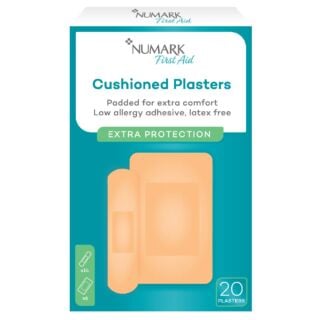
assorted plasters
sterile gauze dressing
adhesive or medical tape
a crepe or cohesive bandage for sprains
a triangular bandage that can be used as a sling
Supplies for minor injuries and burns
From kitchen mishaps to everyday bumps and scrapes, minor injuries have a habit of happening when you least expect them to. Having these products in your first aid kit means you'll be ready if they do:
antiseptic wipes
burn gel or burn dressings
tweezers for splinters
scissors
disposable gloves
Emergency first aid essentials
We all hope we'll never need to use emergency first aid supplies, but having them ready can help you staycalm and prepared when the unexpected happens. Here's our first aid checklist:
an instant cold pack
a foil emergency blanket
eye wash or saline pods
a first aid guide and useful emergency contact numbers
a CPR face shield, which is optional but can be useful
Which medicines should you keep in your emergency kit?
Having a well-stocked medical essentials kit is an important part of any emergency action plan. Alongside first aid supplies, it can be useful to keep a small selection of everyday medicines at home.
Pain relief medicines
Whether you're dealing with a headache, a fever, or the aches and pains that often come with a cold, having pain relief medicine at home can help you feel more comfortable. Common options include:
We also recommend keeping a thermometer in your kit, so that you can check someone's temperature if they're unwell.
Allergy relief medicines
Allergies can sometimes flare up when you least expect them, so it's worth keeping an allergy medicine in your emergency kit. Common antihistamines include:
Nobody plans for an upset stomach, but having a few digestive remedies at home can help you manage common issues like diarrhoea, indigestion, and heartburn when they happen. We recommend:
If you rely on prescription medication, don't wait until you're down to your last few doses. Order repeat prescriptions in good time and be especially careful with life-saving medicines like asthma inhalers and EpiPens. Running out of these in an emergency can quickly become serious.
“Being prepared doesn’t mean filling your cupboards with every medicine on the pharmacy shelf. You only need enough to deal with common injuries and illnesses at home, plus enough of your prescribed medication and equipment that a few days of disruption to pharmacies or healthcare doesn’t put your health at risk.”
It can also be helpful to keep a written list of medications and doses, so that important information is easy to find if you can't access your phone or the internet.
How can people with long-term health conditions prepare?
People living with long-term health conditions may need some extra items in their emergency kit.
If you have a condition like diabetes, being prepared means more than having enough medication. Make sure you have spare testing strips, sensors, and any other equipment you use every day. Insulin also needs to be kept cool, so plan ahead for how you would store it if there was a power cut.
How often should you check your emergency kit?
A kit is only useful if the items inside are safe to use when you need them. Make sure you don't just pack a kit and forget about it. Medicines and sterile dressings have expiry dates, so check everything every six months and replace anything that's out of date.
Whenever you use an item from your kit, make a note to replace it when you can.
Check your household's needs
As life changes, your emergency supply kit might need a refresh too. A quick check every now and then can help make sure it still has everything you and your family need.
If someone has started a new medication or been diagnosed with a long-term health condition, check that you have any medicines or health supplies they may need in an emergency.
If you have children or babies, consider whether your kit includes the right medicines, baby formula, nappies, or other essentials.
It's also worth thinking about any accessibility needs, like spare batteries or chargers for medical devices, mobility aids, hearing aids, or other equipment used regularly.
Make sure you don't forget about your pets too. It's a good idea to keep any pet medications, food, and supplies close to hand.
How Chemist4U can help
Whether you're putting together your first emergency action plan or topping up your current one, we're here to help you stay prepared for the unexpected. Our customer care team and pharmacists are happy to help if you need advice on choosing the right products for your household.
Frequently asked questions about being ready for an emergency
Where should I store my emergency kit?
Store your emergency supply kit somewhere easy to find and access, keeping medicines out of the reach of children.
Is a first aid kit the same as an emergency kit?
No, a first aid kit isn't the same as an emergency supply kit, though they often overlap and are designed to work together. A first aid kid is used to treat minor injuries, while an emergency kit may also include medicines, household essentials, and contact information.
Chemist 4 U uses cookies (and other techniques) to enhance your shopping experience.
Read more about our cookie policy, terms and conditions and privacy statement. By continuing on this site and accepting our cookies you agree to the collection of information on this basis by us and by third parties on the platform as well as direct email marketing. Please customise your cookie settings below.
Find out more about our data policies.