While hay fever season rolls around every year without fail, pinpointing exactly when and why it affects you can be tricky. Some people experience symptoms as early as late January, while others don't feel the effects until spring or summer.
It depends on which type of pollen triggers your symptoms. There are multiple types, and they emerge in waves throughout the year.
Keep reading to discover when hay fever season starts in the UK, so you can stay prepared and enjoy the warmer months without the sniffles.
Three key takeaways
Hay fever season typically runs from March to September, but it can start as early as January if the weather is mild.
Different pollens peak at different times, and weather conditions like rain, temperature, and wind can affect pollen levels and how severe your symptoms are.
Checking the daily pollen forecast helps you plan ahead and manage your symptoms more effectively.
When does hay fever season start in the UK?
Hay fever season typically begins in late March or early April when tree pollen emerges, though it can start as early as late January if the weather is unusually mild.
When your personal hay fever season starts depends on which type of pollen triggers your allergies.
There are three main types:
Tree pollen: Usually appears from March to mid-May (though sometimes as early as January or February) and affects around 25% of people with hay fever.
Grass pollen: This is the most common allergen, affecting the majority of hay fever sufferers. It emerges from April to July and features two peaks. The first usually occurs in early June, followed by a smaller one in early July.
Weed pollen: This can be released at any time from early spring to late autumn, but its main season typically runs from late June through to September.
When does hay fever season end?
For most people, hay fever season is over by September, but if you're allergic to multiple types of pollen, you could experience symptoms from late winter right through to early autumn.
Here's an overview of when each type of pollen typically ends:
Tree pollen: Mid-May to June.
Grass pollen: Late July to early August.
Weed pollen: September to early October.
Can you get hay fever in the winter?
“While less common, winter hay fever is possible.
“Some tree pollens can appear as early as January or February if there's a mild spell of weather, and other allergens like dust mites, mould, or pet allergies can trigger hay fever-like symptoms year-round.”
“Pollen levels fluctuate throughout hay fever season and can change daily. Checking the pollen forecast before you head out helps you plan ahead and manage your symptoms more effectively.”
Hanna Yusuf, Prescribing Pharmacist at Chemist4U
Now, let's look at the typical pollen forecast on a month-by-month basis, including which types of pollen are present and when levels are at their highest.
January - low pollen count
We're about to make January even bluer, as tree pollen can sometimes emerge this early, especially if the weather's been unusually mild. Hazel, yew, alder, and willow trees start releasing pollen, catching many people off guard.
Tree pollen affects around 25% of hay fever sufferers and is the first to appear each year. While pollen levels are still low in January, if you're particularly sensitive, you might still notice hay fever symptoms.
February sees pollen levels begin to climb as more trees enter the mix. Alongside January's early bloomers, ash, elm, and birch trees start releasing pollen into the air.
This is a good time to stock up on your hay fever supplies to prepare for the big pollen hit in March.
March - high pollen count
March marks one of hay fever season's peak periods. Oak and plane trees begin releasing pollen, while elm, alder, and willow continue from the previous month. The pollen mix is getting busier, though there's one silver lining: hazel pollen bows out in March.
Pine pollen arrives in April, while ash, birch, oak, and plane pollen reach their peak. But there's a shift happening: nettle and plantain pollen join the mix, along with the emergence of grass, oilseed rape, and weed pollen.
May - high pollen count
May is one of the busiest months for pollen, with multiple types overlapping at different stages. Dock and lime pollen emerge, while pine, birch, and oilseed rape wind down. Oak and plane pollen also begin to taper off from their peak.
However, grass pollen, which causes the most allergies, reaches very high levels this month.
Oak, pine, oilseed rape, and plane pollen come to an end, while grass pollen continues to surge. Grass pollen hits its first peak in early June, so keep your hay fever remedies within reach. Mugwort also makes its debut this month.
July - high pollen count
Nettle pollen finally starts to decline, while mugwort pollen begins to rise. Lime pollen season comes to an end this month.
Keep in mind that grass pollen can see a smaller peak at the start of July, so don't pack away those remedies just yet if you know grass pollen affects you.
August brings welcome relief as hay fever season begins to wind down, though weed pollen can still reach high levels. Both grass, nettle, and plantain seasons end this month, so you can hopefully enjoy the warm summer weather with clearer, more comfortable eyes.
September - low pollen count
September sees pollen levels drop significantly, though some weed pollen may linger and cause the occasional sniffle.
By October, hay fever season has largely come to an end for most people. Now's the time to swap out your hay fever treatments for cold and flu remedies as the colder weather approaches!
Weather conditions have an impact on how much pollen is in the air and how severe your hay fever symptoms will be:
Rain: Rainfall washes pollen out of the air, but the timing is important. Heavy morning rain keeps pollen levels low throughout the day, whereas afternoon showers are less effective since most of the pollen has already been released.
Temperature: Heat affects how much pollen plants release. Grass pollen peaks in temperatures between 18-28°C on dry days with light wind. When temperatures exceed 28°C, pollen production decreases. If there are several hot days in a row, the pollen supply can run out.
Wind: Light winds keep pollen close to the ground, where it's easily inhaled. Strong winds disperse pollen over greater distances, reducing the concentration in your local area.
Sunlight: More daylight results in higher pollen production, as plants require light for growth and reproduction. Long periods of cloudy weather can reduce pollen output, which may ease your symptoms.
How Chemist4U can help your hay fever all year round
No matter which pollen triggers your symptoms, we offer a complete range of hay fever treatments to help you stay comfortable throughout the season.
From the best antihistamines for every symptom, to nasal sprays and soothing eye drops, we’ve got you covered.
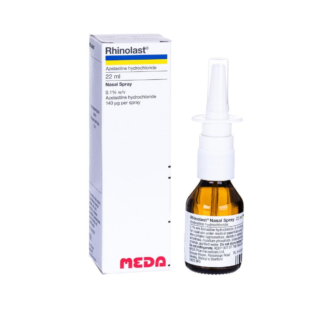
Antihistamine nasal sprays: Azelastine (Rhinolast) can be used for fast-acting relief from sneezing and an itchy, runny nose. Can be accessed after a consultation.
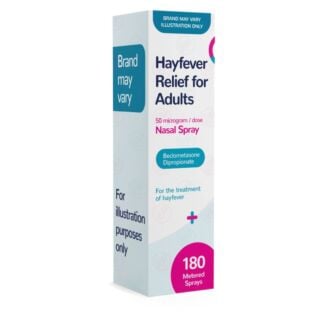
Steroid nasal sprays:Fluticasone 27.5 mcg/dose (Avamys) and fluticasone 50 mcg/dose (Flixonase) reduce inflammation and congestion. Can be accessed after a consultation.
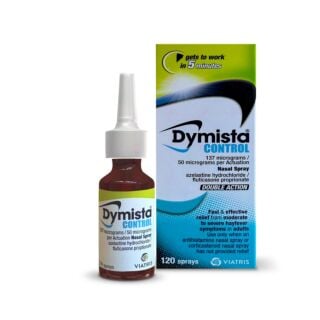
Dual-action nasal sprays:Azelastine and fluticasone nasal spray (Dymista) combines an antihistamine and a steroid for maximum hay fever and allergy relief. Can be accessed after a consultation.
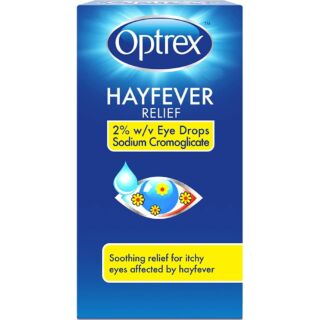
Eye drops: Sodium cromoglicate (Optrex or Murine) is specially formulated to soothe itchy, red, watery, and irritated eyes.
Since most hay fever sufferers are allergic to grass pollen, May to July is generally considered the most difficult period for symptoms.
How can I tell if it’s hay fever or a cold?
Telling the difference between hay fever and a cold can be tricky, but there are a few things to look out for. Hay fever causes itchy eyes, nose, and throat, which the common cold doesn't.
Hay fever symptoms also appear suddenly when exposed to pollen and can last for weeks or even months, while cold symptoms develop gradually over a few days and typically clear up within 7-10 days.
Can I still have hay fever in October?
Yes, weed pollen from plants like nettle and mugwort can sometimes linger into October.
Chemist 4 U uses cookies (and other techniques) to enhance your shopping experience.
Read more about our cookie policy, terms and conditions and privacy statement. By continuing on this site and accepting our cookies you agree to the collection of information on this basis by us and by third parties on the platform as well as direct email marketing. Please customise your cookie settings below.
Find out more about our data policies.