Morning Sickness
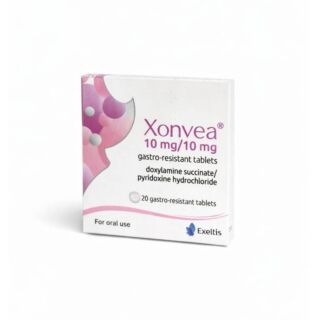
Pregnancy sickness can leave you feeling drained and struggling to get through the day. If home remedies like drinking ginger tea haven’t worked, anti-sickness tablets like Xonvea could help. Xonvea is specifically designed to treat nausea and vomiting during pregnancy, helping you to feel more like yourself again. … Read More See less
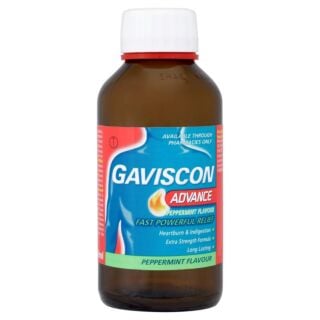
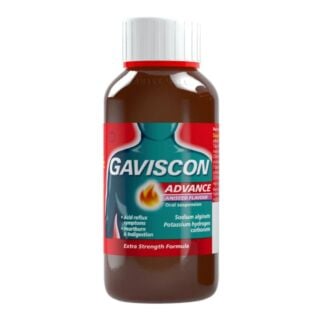
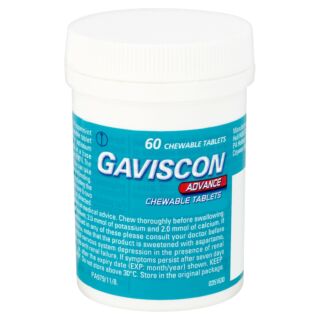
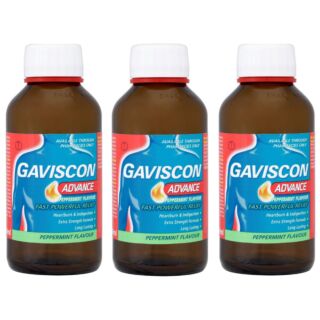
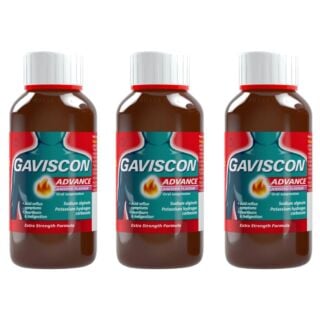
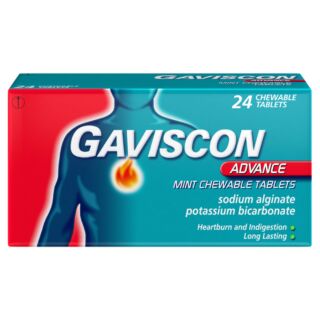
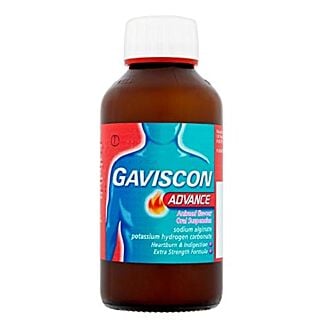
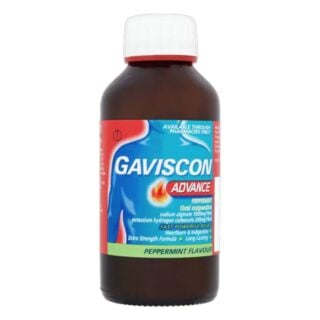
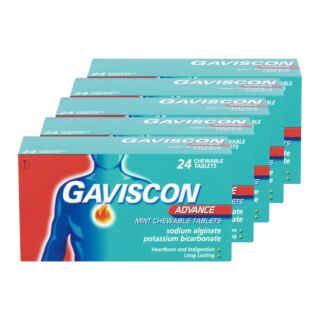
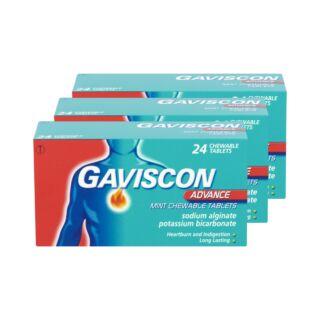
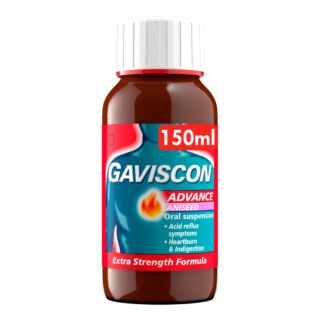
Or, you might be dealing with heartburn and indigestion, both common during pregnancy and known triggers for nausea. Thankfully, we have a range of antacids, including Gaviscon, to ease your symptoms.
Below, we’ll cover everything you need to know about pregnancy sickness, including symptoms, when to get help, and the available treatments.






When does morning sickness start?
Pregnancy sickness typically starts at around 4-6 weeks and peaks at around 9-10 weeks, although everyone is different.
Morning sickness symptoms
The symptoms of regular pregnancy sickness include:
- feeling or being sick (can happen at any time of day, not just in the morning)
- going off certain foods and drinks
- loss of appetite
- sensitivity to smells that might not have bothered you before
- increased salvia
- fatigue
How long does morning sickness last?
For most people, pregnancy sickness starts to ease off by weeks 16-20, though some experience severe sickness that lasts longer.
Although there’s no cure for pregnancy sickness, there are things that can help. This includes eating plain, bland foods, or anti-sickness medication if home remedies haven’t been effective.
What is extreme pregnancy sickness?
Extreme pregnancy sickness, also known as hyperemesis gravidarum, goes beyond regular pregnancy sickness, affecting around three in 100 pregnant people.
While regular pregnancy sickness can be uncomfortable, HG can prevent you from living a normal life, and it can be serious if not managed.
The symptoms of hyperemesis gravidarum include:
- being sick several times a day
- debilitating nausea
- unable to keep anything down, even water
- dehydration (feeling thirsty, tired, dizzy or lightheaded, not weeing often, and having dark yellow and strong-smelling wee)
- weight loss
- headaches
- racing heartbeat
- unable to do everyday tasks like look after yourself or go to work
If you think you have HG, you should speak to your GP or midwife right away to ensure you get the care and support you need.
Can heartburn and indigestion cause nausea during pregnancy?
Yes, they can. During pregnancy, hormones relax the oesophageal muscle, allowing acid to rise and cause heartburn. This uncomfortable burning sensation can trigger nausea, especially after meals or when you lie down.
As your baby grows, the pressure on your stomach can make things worse. You can manage heartburn by eating smaller meals, avoiding trigger foods, and taking antacids, like Gaviscon or Rennie, which in turn can help to relieve nausea.
Anti-sickness tablets for pregnancy
If you’ve been struggling with pregnancy sickness and simple measures like eating bland foods little and often haven’t helped, anti-sickness medication could make a difference.
Combined with an antihistamine and vitamin B6, Xonvea is a treatment for pregnancy sickness that helps reduce nausea and vomiting. There are also other options, like the antihistamines cyclizine or promethazine, or medications like metoclopramide, domperidone, or ondansetron.
We understand that when you’re feeling nauseous or vomiting, the last thing you want to do is leave the house. That’s why we’ve made it easy to get help from the comfort of home.
Simply complete a quick online consultation with us, answering questions about your health and symptoms. Then, one of our clinicians will review your information and decide whether Xonvea is right for you. If it is, we’ll deliver it fast and discreetly to your door.
Other common nausea triggers include heartburn and indigestion, which many people struggle with during pregnancy. We stock a range of antacids—from chewable tablets you can take on the go, to easy-to-swallow liquids—all so you can find relief fast.
Is it safe to take anti-sickness tablets during pregnancy?
Yes, anti-sickness medications like Xonvea are safe to take during pregnancy. The ingredients have undergone extensive research over the years, establishing it as a trusted first-line treatment for pregnancy sickness.
It’s important to advise your healthcare provider if you’re having nausea related to pregnancy when requesting treatment to help.
The evidence is reassuring, too. Studies have found no increased risk of birth defects, miscarriage, stillbirth, or premature birth. What's more, Xonvea side effects are typically mild, making it well-tolerated.
Antihistamines that are prescribed for pregnancy sickness are considered safe, as are the anti-sickness tablets metoclopramide, domperidone, and ondansetron. However, these are usually considered last due to there being a small chance of side effects.
Frequently asked questions about pregnancy sickness
What causes morning sickness?
Pregnancy sickness is believed to be caused by the rapid rise in pregnancy hormones, particularly human chorionic gonadotropin (hCG) and oestrogen, during early pregnancy.
When does morning sickness peak?
For most people, their pregnancy sickness peaks at around 9-10 weeks, although it can differ for everyone.
Is morning sickness a good sign?
Pregnancy sickness is generally considered a sign that your pregnancy is progressing normally. The rise in pregnancy hormones that can cause sickness (hCG and oestrogen) means your body is responding to the pregnancy as it should.
Can morning sickness come and go?
Pregnancy sickness doesn’t follow a set pattern and can come and go. Some people find that their nausea is triggered by certain smells or food, which is why it can feel unpredictable.
What foods are good for nausea during pregnancy?
Plain, bland foods are best for nausea during pregnancy. This includes dry toast, crackers, broths, and plain potatoes or pasta. Good drinks include ginger or peppermint tea.
Sources
- Vomiting and Morning Sickness. (2024). NHS. [Accessed 5th January 2026].
- Pregnancy Sickness (Nausea and Vomiting of Pregnancy and Hyperemesis Gravidarum). RCOG. [Accessed 5th January 2026].
- Severe Vomiting in Pregnancy. (2023). NHS. [Accessed 5th January 2026].
- Heartburn and Indigestion in Pregnancy. (2018). Healthline. [Accessed 5th January 2026].
- Xonvea. (2025). Medicines in Pregnancy. [Accessed 5th January 2026].
- Nausea During Pregnancy. (2024). Mayo Clinic. [Accessed 5th January 2026].
Free delivery when you spend over £39

100% discreet delivery for every item ordered

Fully regulated UK pharmacy