
Overweight vs Obesity: What’s the Difference and What Does It Mean for Your Health?
Overweight and obesity both describe carrying excess body fat, but they represent different levels of health risk with different recommended treatments.
These terms are usually defined using Body Mass Index (BMI), a measurement based on height and weight that helps clinicians estimate weight-related health risks.
Understanding the difference between being overweight and being obese can help you get to grips with how your health can change as your body weight increases, and what treatments are available.
This guide explains how weight categories are defined, how risks compare between overweight and obesity, whether one condition leads to the other, and how treatment decisions are made.
Three key takeaways
- Overweight and obesity are defined using BMI ranges, but health risks increase gradually rather than at a single cut-off point.
- Obesity is associated with higher metabolic and cardiovascular risk compared with being overweight.
- Treatment options depend on your BMI, health history, and risk factors, and people can move between categories over time.

What does being overweight mean?
‘Overweight’ describes a BMI between 25 and 29.9, which indicates your body weight is above the healthy range for your height. It suggests excess body fat and may increase the risk of certain health conditions.
Although being overweight carries a lower risk than obesity, it can still affect your long-term health.
If your BMI is in the overweight range, you may have a higher chance of developing:
- type 2 diabetes
- high blood pressure
- cardiovascular disease
- joint problems
However, your actual risk depends on more than just your BMI, including the fat distribution across your body, your physical activity levels, and metabolic health markers like your blood sugar levels.
What is obesity?
Obesity is defined as a BMI of 30 or higher and indicates a higher level of excess body fat. It is associated with a greater risk of metabolic and cardiovascular conditions.
Healthcare professionals often divide obesity into further categories:
- Class 1 obesity: BMI 30–34.9
- Class 2 obesity: BMI 35–39.9
- Class 3 obesity: BMI 40 or higher
Higher BMI levels are generally linked with increased health risks. However, clinicians will also consider other factors like your waist circumference, family history, and overall health.
How are weight categories defined?
BMI is the most widely used method for categorising weight in healthcare. It estimates whether your body weight falls within a healthy range based on your height.
BMI is calculated by dividing body weight by height squared.
BMI is used because it is:
- quick to calculate
- easy to compare across populations
- widely used in medical research
You can find out your BMI using our BMI calculator.
Does BMI have its limitations?
Using BMI on its own to assess your health and weight category doesn’t tell the full story. That's why clinicians often use additional measurements and health markers alongside BMI when looking at weight-related health risks.
Firstly, BMI doesn’t distinguish between muscle and fat and doesn’t show how fat is distributed in the body. This means some people may appear to have a high BMI even if they have a healthy body composition, like athletes. Because of this, BMI may overestimate obesity in muscular individuals and underestimate it in others.
The distribution of body fat can also influence health risk, but BMI cannot measure this. Fat stored around the abdomen (visceral fat) is linked to a higher risk of conditions like type 2 diabetes and cardiovascular disease.
Finally, BMI thresholds are based on population averages and may not apply equally to everyone.
Factors that can affect how your BMI is interpreted include your:
- age
- sex
- ethnicity
- body composition
Because of this, healthcare professionals often also consider:
- waist circumference
- body fat distribution
- blood pressure
- cholesterol levels
These measurements help provide a more complete picture of metabolic health.
Why do these labels exist in healthcare?
Terms like overweight and obesity are used in healthcare to help assess health risks and guide treatment decisions.
These labels are mainly used for:
- identifying the risk of metabolic disease
- determining eligibility for treatment pathways
- monitoring public health trends
- guiding clinical decision-making
Importantly, these categories are tools for assessing health risks, rather than labels intended to judge individuals. Healthcare professionals use them to help determine when early support or treatment may be beneficial.
What’s the difference between being overweight and obesity?
The main difference between overweight and obesity is the BMI range and associated level of health risk.
| Category | BMI Range | General Risk Level |
| Healthy weight | 18.5–24.9 | Baseline risk |
| Overweight | 25–29.9 | Increased risk |
| Obesity | 30+ | Higher risk |
Although these categories are useful guidelines, risk increases gradually rather than suddenly at a specific number.
This means that two people with the same BMI may have different levels of risk depending on their individual lifestyle, genetics, and overall health.
How do health risks compare between categories?
Health risks tend to increase as your BMI rises, particularly when excess weight affects your metabolic function.
The level of risk differs between overweight and obesity.
| Health Risk | Overweight | Obesity |
| Type 2 diabetes | Increased risk | Significantly higher risk |
| High blood pressure | Increased risk | Higher risk |
| Cardiovascular disease | Increased risk | Higher risk |
| Sleep apnoea | Possible | More common |
| Joint strain | Common | Often more severe |
These risks are influenced not only by your BMI but also by lifestyle factors, genetics, and fat distribution.
Does being overweight always lead to obesity?
Being overweight does not always lead to obesity. It depends on many factors, including your diet, activity levels, genetics, and hormonal health.
Some people maintain a stable weight within the overweight category for many years without progressing to obesity.
Early lifestyle changes, like more daily exercise, the introduction of a healthier diet and the stopping of some medications, can reduce the risk of moving into the obese category.
Can you move between categories?
BMI categories are not permanent. Weight changes can move someone between the healthy weight, overweight, and obesity ranges.
For example, gradual weight loss may move your BMI into a lower category. On the other hand, long-term weight gain may move you into a higher category.
Because of this, clinicians often focus on long-term weight stability and sustainable habits rather than short-term changes.
What happens when you move into a lower BMI category?
Moving into a lower BMI category may improve your overall health. This potentially includes:
- improved blood pressure
- better blood sugar control
- reduced strain on joints
While monitoring your weight and other health factors may become less frequent at a lower BMI, maintaining healthy habits remains important.
How is obesity treated?
Obesity treatment usually involves a combination of lifestyle support, behavioural changes, and medical interventions where appropriate.
Common approaches include:
- structured weight management programmes
- nutrition and dietary support
- increased physical activity
- behavioural therapy
In some cases, clinicians may consider:
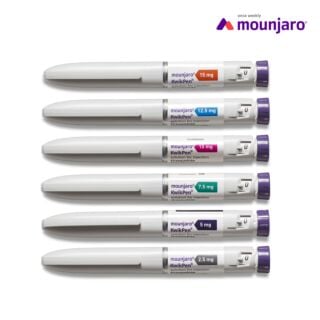
- prescription weight-loss medicines, like Mounjaro and Wegovy, where appropriate
- specialist weight management services
Ongoing monitoring is usually recommended to track your progress and adjust your treatment plan where needed.

Treatment options if you’re overweight
Treatment for being overweight often focuses on early lifestyle changes in order to prevent you moving into the obesity category, while reducing your health risks.
Common approaches include:
- Balanced nutrition: more fibre-rich foods, whole grains and lean proteins.
- Increased physical activity: daily activity of around 30 minutes.
- Improving sleep patterns: introducing better sleep routines.
- Stress management: Talking therapy, breathing exercises and positive thinking.
Medical treatment may sometimes be considered if:
- your BMI is 27 or higher with related health conditions
- there are significant metabolic risk factors
Healthcare professionals may also monitor your blood pressure, cholesterol, and blood sugar levels.
When is medical support recommended?
Medical support may be recommended if your weight begins affecting your overall health.
Clinicians may consider additional support when:
- your BMI is 30 or higher
- your BMI is 27 or higher with related health conditions
- lifestyle changes have not produced results
- metabolic risk factors, like high blood pressure, are present
Early intervention may help reduce the risk of long-term complications.
How do clinicians decide the right approach?
Treatment decisions are based on more than BMI alone. Healthcare professionals consider several factors when recommending support.
These may include:
- BMI
- waist circumference
- blood pressure
- blood sugar levels
- cholesterol
- medical history
- mental health considerations
- sustainability of lifestyle changes
This holistic approach helps ensure that the treatment plan is right for you – there's no one-size fits all fix.
Treatment comparison: overweight vs obesity
| Factor | Overweight | Obesity |
| First-line treatment | Lifestyle support | Lifestyle + possible medical support |
| Monitoring | Preventative | Active risk management |
| Medication eligibility | Sometimes with conditions | More commonly eligible |
| Risk level | Moderate | Higher |
Lifestyle changes that support being obese and overweight
Lifestyle habits play an important role in managing being both overweight and obese.
These habits can include:
- balanced nutrition with appropriate calorie intake
- higher protein and fibre intake
- regular physical activity
- strength training to maintain muscle mass
- adequate sleep
- stress management
These habits support metabolic health and may help maintain weight stability.
Is treatment different depending on your BMI?
The treatments available to you will often depend on your BMI. People with a higher BMI may qualify for additional clinical support, including prescription treatments or specialist services.
However, risk factors like blood pressure, cholesterol, and blood sugar levels are often considered alongside BMI.
Can you still get treatment if you’re no longer categorised as obese?
Yes. Support may continue even if your BMI moves below the obesity range. Healthcare professionals may review your treatment plan and focus more on long-term weight stability and maintenance. This can help reduce the likelihood of weight regain.
Getting support through maintenance and long-term health goals
Maintaining weight loss often requires long-term consistency and supportive habits that can be sustained over time.
Focusing on gradual lifestyle changes rather than short-term results can help you achieve lasting improvements in your health.
For example, consider:
- building sustainable eating patterns
- engaging in regular physical activity
- periodic health reviews
- monitoring and celebrating more than just changes in your weight
Ongoing support from friends, family and healthcare professionals can also play an important role in helping you to maintain your progress.
How Chemist4U can help
With Chemist4U, you can contact one of our registered pharmacists and clinicians, who can guide you through suitable treatment options and long-term weight management support.
Frequently asked questions about being overweight vs obese
Is obesity more dangerous than being overweight?
Yes. Obesity generally carries a higher risk of metabolic and cardiovascular conditions compared with being overweight, although the risk varies between individuals.
At what BMI does medical treatment become available?
Medical treatment may be considered when BMI is 30 or higher, or 27 or higher with weight-related health conditions.
Can you qualify for treatment if your BMI is under 30?
Yes. Some people with a BMI of 27 or higher and related health conditions may be eligible for medical support.
What happens to treatment if your BMI drops below 30?
If your BMI drops below 30, your treatment plan is usually reviewed. We can, however, support you to a healthy weight and the focus often shifts toward long-term weight maintenance.
Do waist size and fat distribution matter more than BMI?
Waist size and fat distribution can provide additional insight into your health risks. For example, waist circumference is often used alongside BMI in clinical assessments.
How long does it take to move between BMI categories?
This varies depending on weight change and individual factors. Sustainable weight loss is typically gradual.
Sources
- Body mass index (BMI). NHS. [Accessed 19 March 2026].
- Overweight and obesity. NHS. [Accessed 19 March 2026].
- Obesity: identification, assessment and management. NICE. [Accessed 19 March 2026].
- Obesity and heart health. British Heart Foundation. [Accessed 19 March 2026].