Blood Sugar Monitoring: How to Check Your Levels and Why It Matters
Blood Sugar Monitoring: How to Check Your Levels and Why It Matters
Monitoring your blood sugar is the most effective way to understand how your body uses sugar and track how your diabetes treatment is working. Frequent checks may feel overwhelming at first, but they support people with diabetes in managing their diet, exercise, and medication to stay healthy.
This guide explores the different ways to monitor your levels, from traditional finger-prick tests to sensors, and explains how to interpret your results to stay within a healthy range.
Three key takeaways
Blood sugar monitoring helps show how food, activity, and medication affect your glucose levels in real-time.
Different tests are available for short-term daily checks (finger-prick/CGM) and long-term control (HbA1c).
Choosing the right monitoring method depends on your type of diabetes, lifestyle, and treatment plan.
What are blood sugar levels?
Your blood sugar or blood glucose level is the amount of sugar in your blood. This is your body's main source of energy and comes from the carbs you eat and drink.
These levels naturally rise and fall throughout the day. They go up after you eat as your body digests food and drop when you exercise or take diabetes medication.
For people with diabetes, the body struggles to control these levels without help. That’s why you need to keep an eye on your average blood sugar to make sure it’s at a safe level.
Why test blood sugar levels?
Testing is the only way to know your blood sugar levels. Without testing, you can’t safely adjust your insulin or medication. This can increase your risk of extreme drops or spikes in blood sugar.
Regular monitoring helps you spot patterns. For example, it can show you how a specific meal affects your blood sugar or if your blood sugar drops during sleep. This allows you to control your diabetes more smoothly and reduce the risk of complications.
Most people with type 2 diabetes who are not using insulin or sulfonylureas do not need to test blood sugar regularly.
What is a good blood sugar reading?
Targets vary based on age, pregnancy, medications, and individual risk of hypos. Your diabetes team may adjust these ranges for you. Generally, it’s best to aim for 4 to 7 millimoles per litre (mmol/L) before meals and keeping it between 5 and 9 mmol/L after meals for type 1 diabetes.
When you wake up (and before you’ve eaten), adults with type 1 diabetes should have blood sugar between 5 and 7 mmol/L, and a “good” reading for a child will range from 4 to 7 mmol/L.
For those with type 2 diabetes, the target is usually 4 to 7 mmol/L before meals and under 9 mmol/L within two hours after a meal. However, targets vary between people. Children, pregnant women, or older adults may have different goals.
Always stick to the specific range agreed upon with your diabetes care team.
How to monitor blood sugar
You can monitor your blood sugar in several ways, from writing in logbooks to using digital apps that sync with sensors. The most important thing for controlling your diabetes is finding a method that suits your lifestyle and your type of diabetes.
How to record and track blood sugar readings
You can log your results manually in a notebook or use a dedicated smartphone app. Many modern monitors send data directly to an app, creating graphs that make spotting patterns over time easier.
Share these logs with your GP. It can help guide their decisions on your prescription or support tailored lifestyle advice during your check-ups.
How to check your blood sugar levels at home
You can check your blood sugar levels at home using a few different devices, depending on what you need.
The most common option is a finger-prick blood glucose meter, which uses a small drop of blood on a test strip to give an instant reading. Some people use continuous glucose monitors (CGMs) or flash glucose monitors, which involve wearing a small sensor on the skin that measures glucose levels throughout the day and can be read using a scanner or smartphone app.
Urine glucose test strips are also available, but they are less accurate and do not show real-time blood sugar levels. Your healthcare professional can help you choose the option that best suits your situation.
Testing is usually recommended before meals, before driving, and before or after exercise. How often you test depends on your medication and which type of diabetes you have.
People with type 1 diabetes may test 4 or more times a day, while those with type 2 may test less frequently or may not need to self-monitor at all.
Blood glucose testing methods
The two main ways to measure your glucose levels are to check your blood directly or measure the fluid between your cells, known as interstitial fluid. Both provide valuable data but work in slightly different ways.
Finger-prick blood glucose testing
This traditional method involves pricking your finger with a lancet to get a small drop of blood, which you then dab onto a test strip. A finger-prick test measures the sugar in your blood at that exact moment.
It is very accurate and the best test for detecting low blood sugar spikes (hypos), as well as for checking and adjusting other devices.
However, some people find the repeated pricking painful, and it only provides a snapshot rather than showing long-term blood sugar.
HbA1c testing
The HbA1c test measures your average blood sugar levels over the last 2 to 3 months. Unlike a finger-prick test, it does not show daily fluctuations but gives a longer-term view of your blood sugar changes.
It works by measuring the amount of sugar that has stuck to your red blood cells, known as glycated haemoglobin (HbA1c). Because red blood cells live for about three months before getting replaced, this test reveals how high your blood sugar has been over this period.
An HbA1c test should be part of your annual diabetes review. If levels are high, your GP may recommend testing every 6 months.
HbA1c normal range
For most people managing diabetes, the target is 48 mmol/mol (6.5%) or lower to keep the risk of complications low. A HbA1c level for people without diabetes is below 42 mmol/mol.
However, targets are tailored to your body. Your doctor might set a slightly higher target if you are at high risk of hypos or have other health conditions. HbA1c won’t guide sudden changes in how much insulin to take or when to take it, as the test doesn’t show short-term spikes or crashes.
Types of glucose monitor
You can now choose from different types of glucose monitors. The right choice depends on your budget, your treatment, and how much data you want.
Blood glucose monitors
Blood glucose monitors are traditional handheld devices that measure your blood sugar using a small finger-prick blood sample placed on a test strip. A lancet is used to gently prick the skin, and the meter gives a reading within seconds.
They are reliable, easy to use, and widely available on the NHS, making them a common option for day-to-day monitoring. These meters are especially important if you feel unwell or have symptoms of low or high blood sugar, as they provide an immediate result.
Accuracy depends on using the correct test strips for your device, clean hands, and good technique. Common examples include the Accu-Chek Guide, OneTouch Verio, and Contour Next meters, which are widely used by people with type 2 diabetes who do not use insulin.
Continuous glucose monitoring (CGM)
Continuous glucose monitoring (CGM) uses a small sensor placed just under the skin to track glucose levels throughout the day and night, removing the need for routine finger-prick tests. The sensor measures glucose in the fluid between cells, known as interstitial fluid, so readings usually lag behind a finger-prick blood test by around 15 minutes.
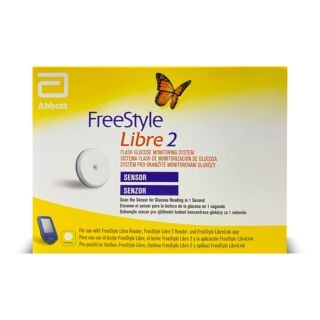
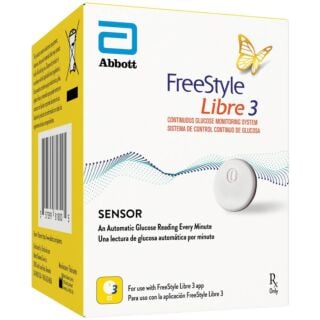
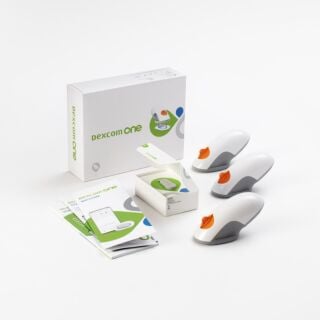
There are two main types of CGM. Flash glucose monitors, such as the FreeStyle Libre 2 let you check your levels by scanning the sensor with a reader or smartphone. Real-time CGMs, like the Dexcom G6 and G7 and FreeStyle Libre 3, go too high or too low.
CGMs are especially helpful for people with type 1 diabetes, as they make it easier to spot patterns, adjust insulin, and reduce the risk of hypos. Although these systems are highly convenient, a finger-prick blood test is still recommended if your symptoms don't match the reading or if glucose levels are changing quickly. NHS access to these monitors has improved significantly, particularly for people with type 1 diabetes.
Blood sugar monitor watches
You may see advertisements for "smartwatches" that claim to measure blood sugar using light. No evidence supports any method for glucose testing that doesn’t break the skin.
These watches are often inaccurate. Relying on them for insulin dosing or medical decisions can be dangerous.
While legitimate smartwatches like the Apple Watch can display your blood sugar, they do this by syncing with a medical-grade CGM sensor. No currently available smartwatch can measure blood glucose alone. If a device doesn’t use a sensor that pierces the skin, it cannot be used for insulin dosing.
Non-invasive blood glucose monitoring
Tech companies are exploring ways to test blood sugar using light, sweat, or radio waves without breaking the skin. While promising, most of these are still in research or early development stages.
Current non-invasive options often lack the clinical accuracy needed for medical decisions, such as insulin dosing. For now, systems that penetrate the skin remain the only safe option for reliable management.
Choosing the right blood sugar monitor
The best blood sugar monitor is the one that matches your health needs, treatment plan, and lifestyle. Different types suit different people, so understanding the key differences can help you choose the right option.
Finger-prick blood glucose monitors These are best for people with type 2 diabetes who do not use insulin, or for anyone who only needs to check their blood sugar occasionally. They are simple, reliable, widely available on the NHS, and provide an instant reading when you feel unwell. You will need test strips and lancets, and accuracy depends on good technique and proper storage.
Continuous glucose monitors (CGMs)
Continuous glucose monitors (CGMs) use a small sensor worn on the skin to track glucose levels throughout the day and night. There are two main types, and the key difference is how the data is delivered.
Flash glucose monitors require you to scan the sensor with a reader or smartphone to see your current level and recent trends. Real-time CGMs automatically send glucose readings to your phone or receiver throughout the day and night, and can provide alerts when levels rise or fall.
Both types are useful for people using insulin or those who benefit from seeing how food, activity, and medication affect their blood sugar. Real-time CGMs are particularly suited to people with type 1 diabetes or those at higher risk of hypos, as the automatic alerts make it easier to spot trends and prevent low blood sugar episodes.
Accuracy and access Whichever monitor you choose, accurate readings rely on correct use. Expired test strips, poor storage, or testing with dirty hands can all lead to misleading results. The NHS provides free test strips or sensors for many people who meet clinical criteria, so it’s always worth speaking to your GP or diabetes team about which option is most suitable and available for you.
High blood sugar often develops slowly. Common symptoms include:
Extreme thirst
A dry mouth
Needing to wee frequently (especially at night)
Extreme fatigue
Blurred vision
Unexpected or unwanted weight loss
A home glucose monitor reading over 11 mmol/L after eating or over 7 mmol/L before eating may suggest you have high blood sugar. However, single readings can be affected by many factors. Diagnosis always requires formal testing with your healthcare provider.
You should seek immediate medical advice if you notice the following symptoms:
Feeling sick or vomiting
Stomach pain
Feeling extremely sleepy
Confusion
Rapid heartbeat
A high level of ketones in your urine
These are possible signs of severe illness.
Blood sugar monitoring and long-term diabetes management
“Blood sugar monitoring plays a key role in long-term diabetes management by helping you understand how your body responds to food, activity, stress, and medication over time. Regular readings build a clear picture of your patterns and trends, allowing you to make informed, realistic changes that support better day-to-day control rather than quick fixes.
Keeping your blood sugar within your target range helps lower the risk of long-term complications such as kidney disease, nerve damage, heart disease, vision problems, and limb loss. When you review your results regularly with your GP or diabetes care team, you can spot changes early and adjust your treatment, lifestyle advice, or medication before problems develop, helping you protect your health for the future.”
Ian Budd, Prescribing Pharmacist at C4U
Frequently asked questions
What is the best way to monitor blood sugar?
For most people who take insulin, a CGM or flash monitor provides the most detail and timely information. However, a standard finger-prick glucose monitor is very accurate and more than enough for those managing diabetes with lifestyle changes, diet choices, or medications.
How often should blood sugar levels be checked?
This varies. If you’ve got type 1 diabetes, you might need to check four or more times a day. People with type 2 diabetes may need fewer tests depending on their management plan, and most people with type 2 diabetes, who are not using insulin or sulphonylureas, will not need to continuously monitor blood sugar
Is HbA1c more important than daily blood sugar readings?
Neither is "more important.” They do different jobs. Daily blood sugar monitor readings can help you quickly respond to blood sugar spikes, manage medications, and time meals. HbA1c forms a picture of your long-term risk of complications and overall diabetes control.
Can you monitor blood sugar without finger pricks?
Yes, using a flash or CGM sensor significantly reduces the need for regular finger pricks. However, you’ll still need to do a finger-prick test if your symptoms don't match the sensor reading.
Are blood sugar monitors accurate?
Modern home monitors are very reliable when used correctly. To get the most accurate readings, use in-date testing strips, wash your hands before use, and protect the device from extreme temperatures.
Do people without diabetes need to monitor their blood sugar?
Generally, no. Healthy bodies manage blood sugar well. However, some people use CGMs for sports performance or diet insights, though recent studies warn this can sometimes lead to unnecessary dietary anxiety.
Chemist 4 U uses cookies (and other techniques) to enhance your shopping experience.
Read more about our cookie policy, terms and conditions and privacy statement. By continuing on this site and accepting our cookies you agree to the collection of information on this basis by us and by third parties on the platform as well as direct email marketing. Please customise your cookie settings below.
Find out more about our data policies.