It's you're on regular medication, it's good to know which common prescriptions and over-the-counter medicines you can safely travel with abroad. Get it wrong, and you could face confiscation, hefty fines, or even arrest at customs in some countries.
Some everyday UK medicines, including strong painkillers, sleeping tablets and even certain cold and flu remedies, are restricted in popular destinations, including the UAE and Singapore.
By understanding the restrictions and regulations before setting off on holiday, you can avoid any trouble at the airport. Our experts explain which medications you can take on a plane, and how to do it safely and legally.
Three key takeaways
Some medications treated as over the counter in the UK are controlled drugs abroad.
Do you research well ahead of time, as some medications require permits or supporting documentation.
You can carry most treatments in your hand luggage, including tablets, liquids and aerosols that meet size requirements, and controlled drugs with the proper documentation.
Can you take medications on a plane abroad?
“Most people don’t think twice about packing their regular medicines for a holiday, because they assume that if something is legal in the UK, it will be legal everywhere else. Unfortunately, that’s not always the case.
“Every year, travellers are caught out by medication restrictions they didn’t know existed. In some countries, medicines we consider completely routine in the UK can be treated as controlled substances, even when they have been legitimately prescribed by a doctor.
This isn’t about putting anyone off travelling with the medicines they need. It’s about knowing what extra steps to take, so a routine prescription doesn’t turn into a stressful situation at the border.
“My advice is to check the rules for your destination as soon as you book your trip, rather than the night before you travel. That gives you enough time to speak to your GP or pharmacist, get any paperwork sorted, and travel with confidence.”
If you use any of the following medications, it's worth checking the laws of the country you're visiting before packing your treatment. Not every country will have strict rules about these drugs, but it's better to be safe than sorry!
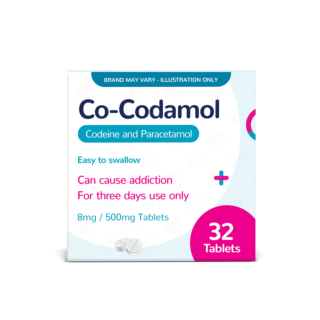
Codeine, and any painkiller containing it (e.g. co-codamol): this is a controlled substance in many countries. In the UAE, it’s led to confiscation, detention, and in some cases, prosecution under narcotics law. Many travellers are unaware that medicines available over the counter in the UK can be treated as controlled drugs overseas.
Diazepam and other benzodiazepines: used for anxiety and sleep, these drugs are restricted in several destinations. In Singapore, bringing these in without a Controlled Drugs Permit from the Health Sciences Authority is treated as a drug-import offence, and can carry fines or imprisonment, even with a valid UK prescription.
Pregabalin and gabapentin: used for nerve pain, they are controlled in the UAE. Without a prescription and a doctor's letter, they can be confiscated and, in serious cases, lead to arrest.
ADHD medicines: several countries, including Japan, ban amphetamine-based ones outright, even with a valid foreign prescription. Travellers have been arrested and deported at customs for carrying them.
Strong opioid painkillers (e.g. morphine, oxycodone): many countries treat these as controlled drugs. Without the right documentation, they can be seized, and in some cases, lead to detention or prosecution.
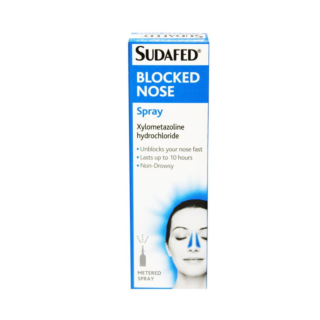
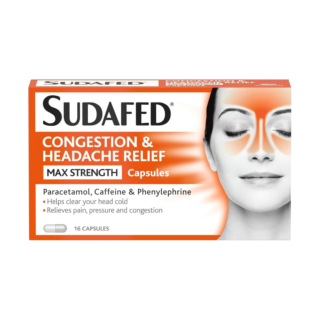
Cold and flu remedies containing pseudoephedrine: some, including certain Sudafed products, are restricted or banned in a handful of countries. They’re even banned outright in Japan, where it's treated as a precursor to methamphetamine.
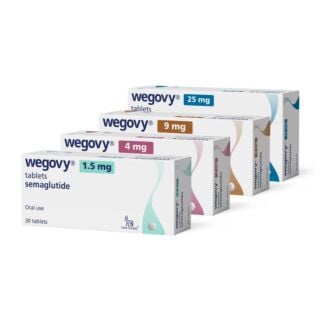
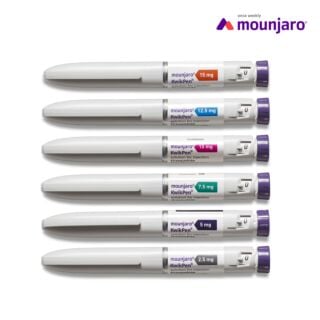
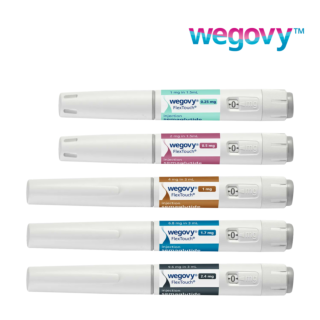
If you're traveling with weight loss injections like Wegovy or Mounjaro, there are certain things you need to do when taking them on a plane. It's wise to stow them in your carry-on, as the cargo hold of the aircraft can dip to sub-zero temperatures, which can damage your treatment.
As you'll need to bring needles, carry them in your hand luggage and declare them at security. It might also be useful to bring your prescription along with you.
When you arrive at your destination, if possible, store your pens in the fridge, like in your mini bar.
If you're taking Wegovy tablets, there aren't any restrictions. Simply store them in your carry-on or checked luggage, whichever suits you best.
Make sure to check your destination’s rules when you book your trip: Do your research and check the official government guidance for the country you’re visiting, as medication restrictions can vary widely. Some medicines may require permits or supporting documentation, while others may be banned altogether.
You can ask your pharmacist for a letter, which may be easier than going to your GP: A short covering letter confirming your name, dosage and how much medicine you’re carrying is often enough to avoid questions at customs, especially for controlled medicines such as codeine, tramadol or diazepam.
Know the three-month rule: You don’t usually need a special licence to travel with less than three months’ supply of a controlled medicine. If you need more than that, you’ll need to apply for a personal export licence, which can take a few weeks to come through.
Keep medicines in their original packaging: Always travel with medicines in the box or bottle they came in, with the pharmacy label attached. Loose tablets in a pill organiser are much harder to identify if you’re stopped at customs.
Make sure to check any countries you’re passing through, not just your final stop. These rules apply to layovers too, so check the requirements for any country you’ll pass through, even if you’re not leaving the airport.
Keep essential medicines in your hand luggage: If your checked luggage is delayed or lost, you’ll still have access to vital medication. Just be sure to check your airline’s rules on liquids and medicine requirements before you travel.
How Chemist4U can help
We're here to help you with all your treatment needs, from advice on travelling with medication, to items to help you on holiday, like travel sickness tablets and bug sprays.
We can also fulfill your regular NHS prescription, delivered to your door for free!
Frequently asked questions about travelling with medication
Can you take non-prescription medication on a plane?
Yes, you can take non-prescription medications on a plane. Liquids treatments will still need to follow the standard liquid rules, and you should still always check the rules in the country you are travelling to.
Can you take tablets in hand luggage?
Yes, you can take tablets and pills in your hand luggage, though make sure to check the laws of the country you are visiting first, and whether any of your medicines are controlled drugs.
Chemist 4 U uses cookies (and other techniques) to enhance your shopping experience.
Read more about our cookie policy, terms and conditions and privacy statement. By continuing on this site and accepting our cookies you agree to the collection of information on this basis by us and by third parties on the platform as well as direct email marketing. Please customise your cookie settings below.
Find out more about our data policies.