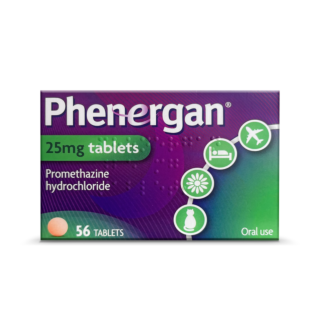
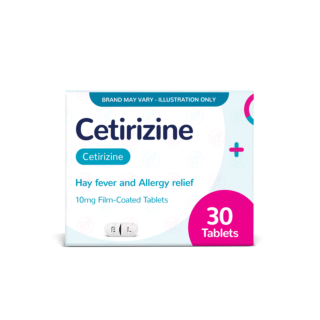
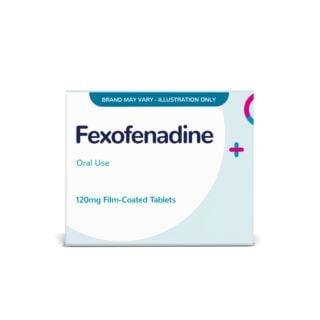
Antihistamines are a safe, extremely effective way of managing hay fever, allergies and some stomach and digestive conditions. Not only can they provide relief, they can actually prevent symptoms if taken early enough. However, like any medication, antihistamines can cause side effects, even if those side effects are usually mild.
In this guide, we’ll cover the most common antihistamine side effects, when to seek medical attention, and how to manage any symptoms.
Three key takeaways
Antihistamines are a readily available, effective way of tackling the symptoms of allergies and stomach conditions. Side effects are generally very mild.
First generation drowsy antihistamines are more likely to cause both short-term side effects and long-term medical issues.
It’s possible to have extreme reactions to antihistamines, but this is very rare. We’ll walk you through the symptoms just in case.
What are the different generations of antihistamines?
There are two categories of antihistamines: H1 blockers and H2 blockers.
H1 blockers are used to treat allergy symptoms and motion sickness. There are two ‘generations’ of H1 blockers:
The first generation includes promethazine (Phenergan) and chlorphenamine (Piriton), and can cause drowsiness. If your symptoms keep you awake at night, they can be a good option.
H2 blockers treat stomach and digestive conditions like acid reflux, nausea, and stomach ulcers. These are also known as digestive antihistamines. They reduce stomach acid production by blocking histamines in your stomach lining.
What are the most common antihistamine side effects?
The most common antihistamine side effects can differ depending on whether you’re using drowsy, non-drowsy or digestive antihistamines.
First-generation drowsy antihistamines
First generation antihistamines are generally regarded to cause more side effects, both short and long-term, like drowsiness. Side effects of first generation antihistamines affect more than one in 100 people and can include:
sleepiness
dry mouth
blurred vision
difficulty peeing
dizziness
brain fog
skin being sensitive to sunlight
eczema or skin rash
It’s important not to drive or use heavy machinery if you feel drowsy or dizzy.
Second-generation non-drowsy antihistamines
Side effects of non-drowsy (second-generation) antihistamines are less common and milder. However, one in 10 people will experience mild drowsiness.
It’s possible to have an extreme allergic reaction to a medicine, which can be scary, but is totally treatable. If your symptoms affect your:
airway(swelling in the throat, tongue or windpipe, hoarse voice, difficulty swallowing)
breathing(noisy breathing, cough, wheezing)
circulation(clammy skin, feeling faint, sleepiness, confusion or collapse)
Then you should stay calm, tell someone you’re experiencing an extreme allergic reaction, and call 999.
Some side effects are less immediately serious, but will still need you visit to your GP. Stop taking the medication and call a doctor or 111 immediately if you:
have a fast or irregular heartbeat (palpitations)
feel any numbness or pins and needles
feel very restless
are confused
notice the whites of your eyes turning yellow, or your skin turns yellow
are bruising or bleeding more easily than normal
have difficulty peeing
How long do antihistamine side effects last?
Many side effects of anthistamines are temporary and will ease after a few days of taking the medication. If you stop taking antihistamines, side effects disappear fairly rapidly.
First generation drowsy antihistamines: side effects generally last 4-6 hours, but can take up to 45 hours to disappear.
Second generation non-drowsy antihistamines: side effects usually last between 12-24 hours.
H2 blockers, or digestive antihistamines: side effects take around 10-12 hours to disappear, but some rare symptoms, like blood issues, may take a few days or weeks to subside.
Are there any long-term side effects of taking antihistamines?
“Long-term use of first-generation antihistamines is associated with some significant risks of cognitive impairment, memory issues and brain fog, and a higher risk of dementia. There is also a long-term risk of dry mouth, constipation, and blurred vision.
“If you take high doses over a long period of time, you are also at risk of high blood pressure and increased heart rate. You can also become physically dependent on first-generation drowsy antihistamines. That’s why you should never use them for longer than recommended.
“However, second-generation non-drowsy antihistamines don’t carry the same long-term risk.”
Depending on what’s worse, your allergy symptoms or your side effects, you may want to manage your side effects rather than stop taking your medication. You could try:
Switching your type or brand of antihistamine.
Trying a lower-dose alternative.
Taking medicine at night so drowsiness is not an issue.
Sticking to plain food to reduce nausea.
Avoiding alcohol.
Staying hydrated, chewing gum or sucking sugar-free sweets to relieve your dry mouth.
Taking a painkiller to relieve headaches or joint pain.
Who should avoid antihistamines?
Most people can take antihistamines safely. However, ask your GP or prescriber for advice if you:
are older than 65
are taking other medicines
are pregnant or breastfeeding
are looking for medicine for a young child
have heart disease, liver disease, kidney disease or epilepsy
If you suspect you or someone else has overdosed on first generation antihistamines (like Benadryl), you should call 999.
Overdose symptoms include:
intense sleepiness
agitation
hallucinations
rapid heartbeat
blurred vision
seizures
Can you take antihistamines during pregnancy?
Some brands of antihistamines like loratadine and cetirizine are potentially considered safe to take during pregnancy, but you must only take them if they are recommended or prescribed by a clinician or pregnancy health expert.
Frequently asked questions about antihistamine side effects
Does cetirizine withdrawal cause itching?
If you have taken cetirizine (a non-drowsy antihistamine) for a long time, when you stop your medication, there is a small chance your may start to experience severe itching or hives. Itching may begin 12 hours to 5 days after you stop taking your dose and can last several weeks. It’s a rebound effect of coming off the medication rather than an allergy. Coming off the drug slowly or using a short course of steroid creams can help.
Can you take antihistamines every day?
Second-generation antihistamines are safe to take every day and can prevent allergy symptoms from appearing. However, first-generation antihistamines are not intended for everyday use.
Do antihistamines raise blood pressure?
Antihistamines alone do not raise blood pressure. However, allergy medications that combine antihistamines with decongestants, like Benadryl Relief Plus can make your blood pressure higher. You may also get higher blood pressure if you take antihistamines with another form of medication. Ask your GP or prescriber for advice.
Chemist 4 U uses cookies (and other techniques) to enhance your shopping experience.
Read more about our cookie policy, terms and conditions and privacy statement. By continuing on this site and accepting our cookies you agree to the collection of information on this basis by us and by third parties on the platform as well as direct email marketing. Please customise your cookie settings below.
Find out more about our data policies.