Tooth decay is one of the most common oral health conditions in the UK, with 41% of adults with natural teeth showing visible signs.
Fortunately, it's largely preventable and when caught at the right time, very manageable, with treatments like Duraphat able to help reverse the early stages.
Whether you want to protect your teeth or are already noticing some changes, this guide covers everything you need to know about tooth decay, from causes and symptoms through to treatment options.
When caught early, tooth decay can be reversed using fluoride treatments like Duraphat before a cavity has chance to form.
Left untreated, tooth decay can spread and lead to serious complications like infection, abscesses, and tooth loss.
What is tooth decay?
“Tooth decay, also known as dental caries or cavities, is the gradual breakdown of your tooth's hard outer surface (the enamel).
“It starts when bacteria in your mouth combine with food and saliva to form a sticky film called plaque. Plaque clings to the surface of your teeth and produces acids that slowly eat away at the enamel over time.
“Left untreated, tooth decay can lead to pain, infection, and even tooth loss. Thankfully, it’s largely preventable with the right habits and dental care.”
Tooth decay is caused by a combination of things that, together, create the right conditions for bacteria to damage your teeth.
Bacteria in the mouth
Your mouth is home to hundreds of types of bacteria. These bacteria mix with saliva and food debris to form plaque, a sticky film that constantly builds up on the surface of your teeth.
Some of the bacteria within plaque feed on the sugars in the food and drinks you consume, producing harmful acids in the process. These acids attack and wear down the enamel on your teeth over time, causing decay.
Sugary foods and drinks
Foods and drinks that are high in sugar or starch, like sweets, biscuits, fizzy drinks, and fruit juice, give bacteria the fuel they need to produce harmful acids. The more frequently you eat or drink these things, the more acid your teeth are exposed to throughout the day.
Poor oral hygiene
Not brushing and flossing regularly allows plaque to build up on your teeth. Over time, plaque hardens into tartar, which is much harder to remove and creates an environment where decay thrives.
Dry mouth
Saliva plays an important role in protecting your teeth by washing away food particles and neutralising acids. If you have a dry mouth, whether due to medication, a medical condition, or simply not drinking enough water, your teeth are more vulnerable to decay.
Deep tooth grooves and crevices
The natural shape of some teeth, particularly the back molars, means food and bacteria can easily get trapped in the grooves. This makes them harder to clean and more prone to decay.
A lack of fluoride
Fluoride is a natural mineral that helps to strengthen tooth enamel and protect against decay. Not using a fluoride toothpaste or living in an area where the water supply isn't fluoridated, can leave your teeth more susceptible.
Age
Children and older adults are particularly at risk. Children are still developing good oral hygiene habits, while older adults may experience receding gums that expose the softer root surfaces of teeth to decay.
Stages of tooth decay
Don’t worry—that biscuit you just had won't cause tooth decay overnight!
It's something that builds up gradually over time, progressing through several stages. Understanding what those stages look like can help you spot the signs early and take action before things get worse.
Demineralisation
Plaque builds up on the tooth surface and the acids it produces begin to draw minerals out of the enamel. You may notice white or chalky spots appearing on the tooth.
At this stage, the damage can still be reversed with good oral hygiene and fluoride.
Enamel decay
The enamel continues to break down, and small holes or cavities may begin to form. Once a cavity's developed, the tooth can't fully repair itself and will need treatment from a dentist.
Dentine decay
Decay reaches the dentine, the softer layer beneath the enamel. Dentine is more sensitive and less resistant to acid, meaning decay progresses more quickly at this stage. You may start to notice increased sensitivity or pain.
Pulp damage
The decay reaches the pulp, the innermost part of the tooth that contains nerves and blood vessels. This can cause significant pain, swelling, and infection.
Abscesses
If left untreated, bacteria can infect the pulp and spread to the surrounding tissue, forming a dental abscess. This requires urgent dental treatment.
8 ways to prevent and remove tooth decay
“It's important to know that once tooth decay has progressed beyond the very early stages, you can't reverse it at home.
“However, in the earliest stage, when the enamel is just beginning to lose minerals, it's possible to stop and even reverse the damage before a cavity forms.”
Claire Irwin, Prescribing Pharmacist at Chemist4U
Beyond early-stage treatment, here are the most effective ways to protect your teeth from decay.
Use a high-fluoride toothpaste
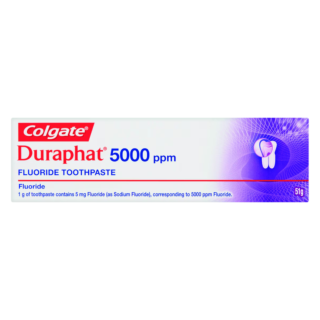
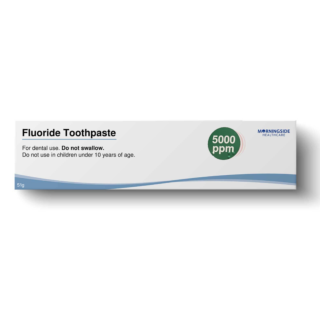
If you've noticed some early signs of tooth decay or your dentist has recommended a stronger fluoride toothpaste, prescription-strength Duraphat is one of the most effective options available.
It contains a much higher concentration of fluoride than standard toothpaste, helping to remineralise weakened enamel and stop early-stage decay in its tracks. To see if Duraphat is right for you, simply complete a quick and easy consultation with us.
Brush your teeth for two minutes, twice a day, using fluoride toothpaste. Brushing removes plaque before it's had a chance to produce acids that damage your enamel. Spit after brushing but don't rinse, as this washes away the fluoride before it's had a chance to work.
Floss daily
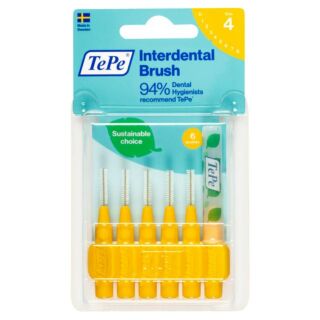
Flossing removes food and plaque from between the teeth, where your toothbrush can't reach. It's one of the most overlooked but important parts of a good oral hygiene routine. You can use string floss, interdental brushes, or a water flosser.
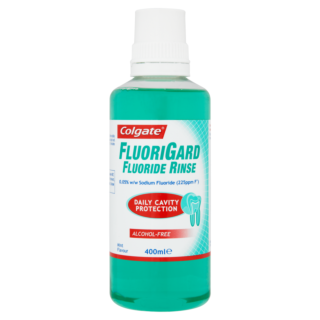
Using a fluoride mouthwashat a different time to brushing, like after lunch, gives your teeth an additional fluoride boost throughout the day. Plus, it helps to remove any lingering food debris.
Cut back on sugar
Reducing how often you eat and drink sugary or acidic things is one of the most effective ways to protect your teeth. If you do have the occasional treat, rinse with a mouthwash afterwards to remove any debris.
Drink plenty of water
Water helps to wash away food particles and keeps your mouth moist.
Visit your dentist regularly
Regular dental check-ups allow your dentist to spot the early signs of decay before they become a bigger problem. Most people should aim to visit every six to 12 months.
Fluoride varnish and fissure sealants
These are two treatments your dentist may recommend, particularly for children. Fluoride varnish is painted directly onto the teeth every six months to strengthen enamel and make it more resistant to decay.
Fissure sealants are a thin plastic coating applied to the chewing surfaces of the back teeth to keep food and bacteria out of the grooves. Both are simple, painless, and can offer lasting protection against decay.
When to seek dental help for tooth decay
You should see a dentist as soon as possible if you experience:
toothache or persistent tooth pain
your gums are painful or bleed when you brush
difficulty eating or biting down
visible holes or dark spots on your teeth
swelling around a tooth or in your jaw
Don't wait for the pain to become unbearable. The earlier tooth decay is treated, the simpler and less costly the treatment is likely to be.
Depending on how far the decay has progressed, your dentist may recommend one of the following treatments.
Fluoride treatment
For very early-stage decay, your dentist may apply a professional fluoride treatment directly to the affected area to help strengthen and remineralise the enamel. Or they may recommend a prescription-strength toothpaste like Duraphat.
Fillings
Fillings are the most common treatment for cavities. Your dentist will remove the decay and fill the hole with a material like composite resin or amalgam.
Crowns
If a large portion of the tooth has been damaged, your dentist may fit a crown, a cap that covers and protects what remains of the natural tooth.
Root canal treatment
If the decay has reached the pulp, a root canal may be needed. This involves removing the infected pulp, cleaning the inside of the tooth, and sealing it.
Tooth extraction
In severe cases where the tooth can't be saved, it may need to be removed. Your dentist will discuss replacement options, like a bridge or implant, with you.
How Chemist4U can help with tooth decay
We stock a range of dental care products to help protect your teeth and treat early-stage tooth decay, including high-fluoride toothpastes like Duraphat 2800 and 5000, which are available with a prescription.
Simply complete a quick and easy online consultation, and our clinicians will determine if it's suitable for you.
We also have fluoride mouthwashes, sensitive toothpastes, and other dental care essentials. If you're unsure which products are right for you, our pharmacists are on hand to give you advice and help you find the best option for your needs.
While we're not a replacement for proper dental care, we can help you take care of your teeth between appointments and make sure you've got access to the right treatments quickly and conveniently.
There's no natural remedy that can kill tooth decay or remove a cavity once it's formed.
However, in the very early stages, before a cavity develops, you may be able to help remineralise your enamel through good oral hygiene, cutting back on sugar, and using a fluoride toothpaste.
Can I remove tooth decay at home?
No. Once a cavity's formed, it can't be reversed or removed at home. You'll need to see a dentist to have the decayed tissue removed and the tooth filled or treated.
That said, if you catch things very early, before a cavity has developed, you can take steps to stop the decay from progressing further.
What will happen if a decayed tooth is not removed?
Leaving tooth decay untreated can lead to serious problems. Over time, the decay will spread deeper into the tooth, causing increasing pain and sensitivity.
Eventually, it can reach the pulp and lead to infection, abscesses, and, in severe cases, the spread of infection to the jaw, neck, or other parts of the body.
Chemist 4 U uses cookies (and other techniques) to enhance your shopping experience.
Read more about our cookie policy, terms and conditions and privacy statement. By continuing on this site and accepting our cookies you agree to the collection of information on this basis by us and by third parties on the platform as well as direct email marketing. Please customise your cookie settings below.
Find out more about our data policies.