Best Medicines For Dry, Chesty and Persistent Coughs
Best Medicines For Dry, Chesty and Persistent Coughs
Whether you’ve got a nasty dry cough that’s left you with a sore throat, or a congested chesty cough that’s filled you with phlegm, we’ve got the solution you need.
Below, we explore the best cough medicine for every need, to help you get back on your feet and breathing with ease.
Three key takeaways
The best cough medicine will depend on the type of cough you have.
Dry coughs can be treated with medicines containing dextromethorphan or glycerol, chesty coughs can be eased with the active ingredient guaifenesin, and persistent coughs need to be discussed with a medical professional.
Lozenges, sachets, and sprays are all alternatives to cough syrups.
How to pick the best cough medicine
“Not only can coughs can happen for lots of reasons, from allergies to colds and flu, they come in all sorts of forms,from dry and tickly to chesty and full of mucus.
“This means that the best cough medicine for you is going to depend on what kind of cough you have. For example, a dry cough might need a syrup containing glycerol, or dextromethorphan if it’s more stubborn, while a cough caused by allergies can be treated with antihistamines. Chesty coughs, on the other hand, may require a treatment that loosens up any phlegm, allowing you to cough it up.
“If you’re unsure what you should use, you can always check with your pharmacist to find out the best medicine for your cough.”
A dry cough is a cough that doesn't produce any mucus or phlegm. It's often characterised by a tickling sensation in the throat or chest and can be caused by various factors such as irritation from smoke, allergies, or viral infections like the common cold or flu.
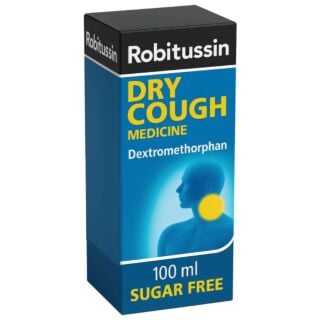
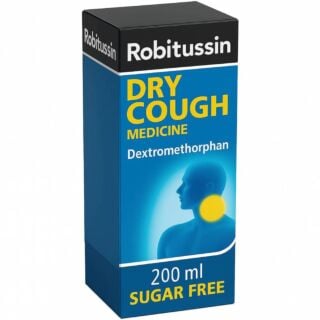
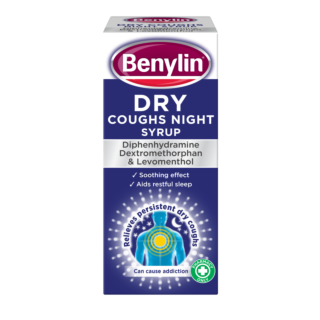
For a dry cough, you can try over-the-counter remedies like cough suppressants containing glycerol to sooth your throat, or cough suppressants like dextromethorphan. These include Robitussin Dry Cough Medicine to help you get through the day, and Benylin Dry Cough Night Syrup to ease those night-time tickles.
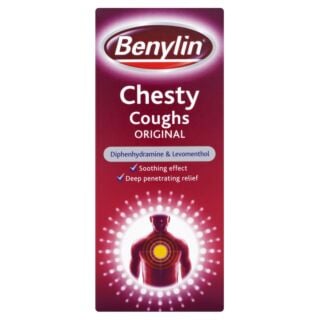
A chesty cough means you've got mucus in your chest and airways, often from things like a chest infection or bronchitis.
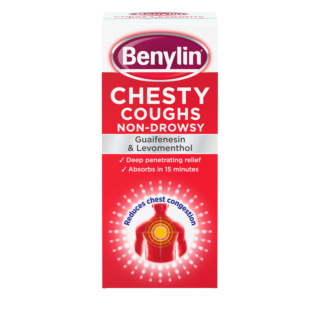
To tackle it, you can try expectorants that contain the active ingredient guaifenesin, such as Benylin Mucus Cough Max, that thins and loosens the mucus, making it easier to cough up.
Cough suppressants aren't usually the best choice for chesty coughs. Remember, if your cough sticks around or comes with a fever or breathing problems, it's time to see your GP for the right advice and treatment.
Whether dry or chesty, if your persistent cough lasts more than three weeks, you should talk to your GP or clinician. Persistent coughs can be caused by various factors, like infections, asthma, allergies, or acid reflux, meaning treatment depends on the cause.
If it turns out that you have a chest infection, then your GP may prescribe antibiotics. Inhaled corticosteroids may be necessary for coughs related to asthma, and antihistamines can help with allergies.
Best medicine for a wheezing cough
A wheezing cough makes a high-pitched whistle when you breathe, and it's often caused by things like asthma, allergies or bronchitis. You might feel tightness in your chest and find it hard to breathe, especially at night or around smoke.
Treatments include medicines like inhalers to help you breathe better, avoiding things that trigger your cough, and using humidifiers to add moisture to the air.
Best medicine for whooping cough
Whooping cough, also known as pertussis, is a contagious bacterial infection that affects the lungs and airways. It spreads easily and can lead to severe complications. Getting vaccinated is essential, especially for infants and children.
Initial symptoms of whooping cough resemble those of a common cold, including a runny nose and sore throat. After about a week, the symptoms develop into intense coughing fits and a ‘whooping’ sound when breathing in. Treatment includes antibiotics, rest and humidifiers.
Are there any non-syrup medicine options for treating a cough?
Cough medicines come in all sorts of forms to suit different tastes and needs. From the classic syrup to easy-to-swallow tablets, soothing lozenges, convenient sachets, and even handy sprays, there's something for everyone.
How our expert term of clinicians can help with your cough
We’re always here to help you feel better for less.
So, why not browse our selection of cough treatments today? With options tailored to every cough type and preference, you're bound to discover just what you need to kick that cough to the curb and reclaim your comfort.
The most important thing to notice is the active ingredient featured in the medicine, which is clearly listed on the bottle and packaging of the syrup. This ingredient determines whether the medicine can be purchased directly off the shelf or if it requires approval from a pharmacist.
How do you know if a chesty cough is a chest infection?
If your chesty cough is a chest infection, you’ll be coughing up green or yellow mucus. You may also have chest pain, a high temperature, aching muscles or shortness of breath.
What does a dry cough indicate?
A dry cough, i.e. one that doesn’t produce mucus, indicates an irritation or inflammation in your throat. This could be caused by a cold, allergies, asthma, acid reflux, or environmental factors like dry air or too much smoke.
Chemist 4 U uses cookies (and other techniques) to enhance your shopping experience.
Read more about our cookie policy, terms and conditions and privacy statement. By continuing on this site and accepting our cookies you agree to the collection of information on this basis by us and by third parties on the platform as well as direct email marketing. Please customise your cookie settings below.
Find out more about our data policies.