
Hair Loss
While losing some hair every day is normal, more noticeable hair loss can have a real impact on your confidence and self-esteem. If you’re ready to regain control, explore our range of proven hair loss treatments today. … Read More See less
From prescription-strength tablets to topical solutions and shampoos, our clinicians are here to help you find the right option for you. If suitable, you can trust us to deliver it quickly and discreetly to your door.
-

-
Save 47%
-
Save 41%
-
-
Save 42%
-
Available NowAd
-
-
-
-
Save 22%
-
-
-
-

-
-
Save 11%
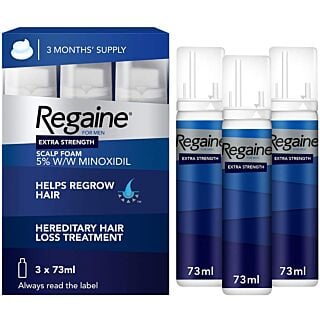
Regaine for Men Extra Strength Scalp Foam - 73ml - 3 Pack (3 Month Supply)
(29)Now£66.99RRP £74.93 -
Save 30%

-
-
-
-
-
-
-
 Out of Stock
 -
 Out of Stock


Hair loss treatments
At Chemist4U, we offer a range of trusted hair loss treatments to help you get your confidence back.
Start your hair loss treatment consultation today.
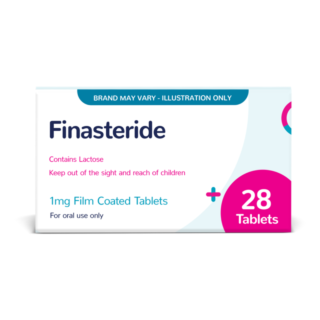
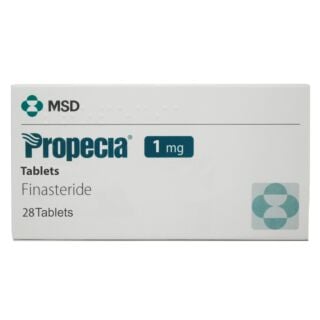
Finasteride (generic Propecia)
A popular option for treating hair loss in men, particularly male pattern baldness, is finasteride. It’s available as generic finasteride or under the brand name Propecia.
When treating hair loss finasteride works by blocking the action of dihydrotestosterone (DHT), a hormone that causes hair follicles to shrink and leads to hair thinning and loss. By reducing DHT levels, finasteride helps to prevent further hair loss and can even encourage regrowth in some people.
Studies show finasteride is the most effective treatment for male pattern baldness, with up to 66% of people seeing improved hair growth after two years of use. Treatment needs to be ongoing, as stopping finasteride usually results in hair loss returning.
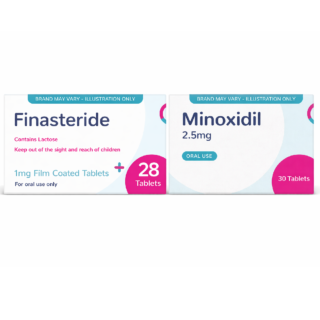
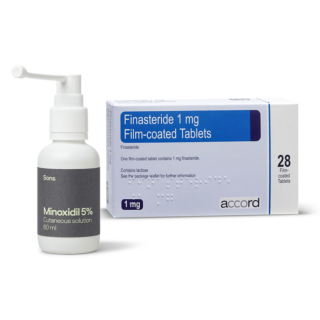
For those looking for a complete hair loss treatment, try our hair loss bundle, which includes both finasteride tablets and topical minoxidil.
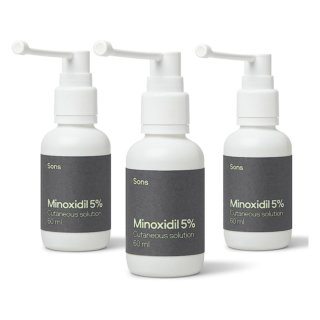
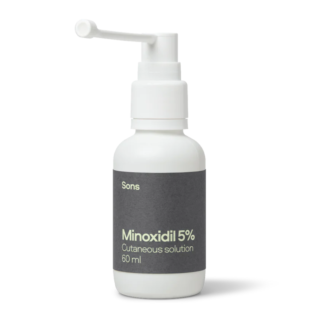
Minoxidil
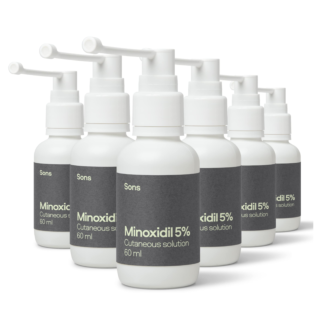
Available as a foam or liquid, topical minoxidil is suitable for both men and women with pattern baldness.
It's thought that minoxidil works by increasing blood flow to the hair follicles, delivering more nutrients and oxygen, which can help stimulate hair growth and slow down hair loss.
It’s available in two strengths: 2% minoxidil and 5% minoxidil, with the higher strength being more effective for hair growth.
It’s important to apply minoxidil daily by rubbing it into the scalp. It may take several months to see visible results. If treatment is stopped, hair loss usually resumes within a few months.
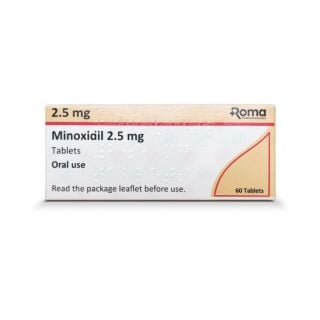
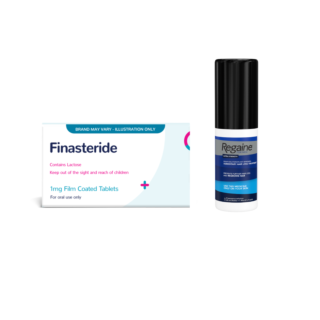
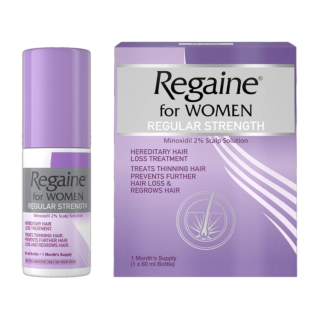
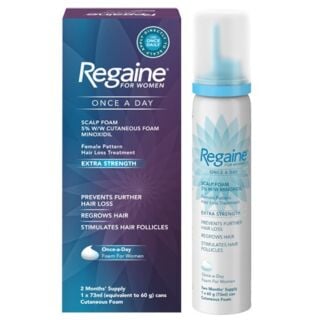
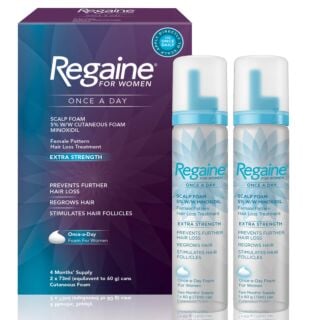
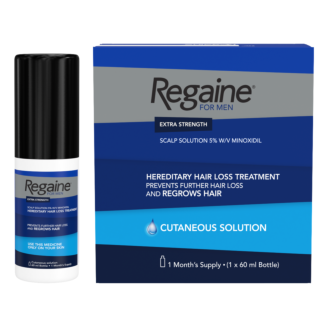
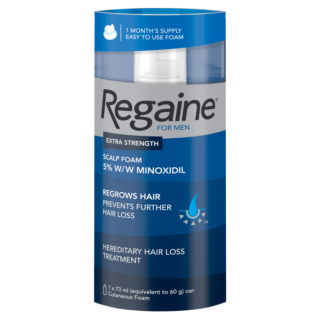
Minoxidil is available in strengths tailored for men and women, with products like Regaine for Men and Regaine for Women being popular choices. Oral minoxidil (off label) is also available for men on prescription, and it's usually an option if topical minoxidil hasn't been effective or causes significant irritation.
Best shampoos for hair loss
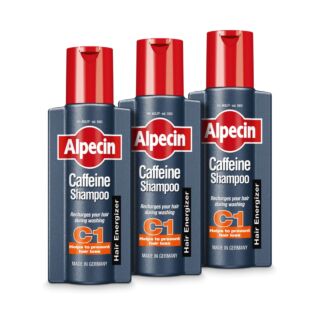
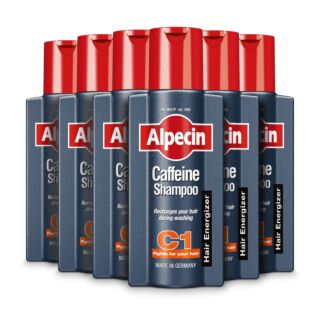
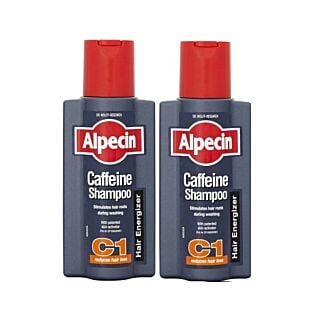
Caffeine shampoos, like Alpecin, have become a popular choice for those looking to tackle hair thinning and early hair loss. The main idea is simple: caffeine, when applied to the scalp, may stimulate hair follicles and encourage hair growth, offering a gentle and affordable option for people noticing the first signs of thinning.
They’re designed to deliver caffeine directly to the hair roots during washing. For example, with Alpecin, it’s recommended to leave the shampoo on the scalp for around two minutes to allow the caffeine to penetrate the follicles.
Some studies suggest that caffeine can promote hair follicle activity and may help extend the active growth phase of hair, which could reduce shedding and support fuller-looking hair. However, the effectiveness of caffeine shampoos is debated, and results may vary.
Alternative hair loss treatments
Alternative hair loss treatments include surgical options such as hair transplants, where hair is moved from areas of healthy growth to thinning or bald spots.
This can be done using techniques like follicular unit transplantation (FUT) or follicular unit extraction (FUE), both performed under local anaesthetic in a clinic setting.
These procedures are designed to provide a permanent solution to hair loss, though several sessions may be needed. Other alternatives include scalp reduction surgery, tissue expansion, and the use of wigs or hairpieces for those who prefer non-surgical options.
How much hair loss is normal?
If you’re wondering how much hair loss is normal, it depends on how long and thick your hair is. The good news is that it’s natural to lose between 50 and 100 hairs a day, often without noticing, as part of the hair’s growth cycle.
You might spot more hair in your brush, shower or on your clothes, especially if you have longer or thicker hair. This can look like a lot, but it’s usually nothing to worry about. With around 100,000 hair follicles on your scalp, losing up to 100 hairs a day won’t make a visible difference.
If you notice larger clumps of hair falling out, bald patches, or a sudden increase in shedding, it’s a good idea to speak to your GP, as it could be a sign of something else. But for most people, daily hair loss is a normal part of life.
What are the symptoms of hair loss?
Hair loss symptoms vary by type and cause. Common signs include:
· thinning hair on the scalp or crown
· patchy bald spots
· more hair than usual left in your brush or shower
A widening part or overall thinning can appear in hair loss in women, while men often see a distinct pattern of loss. In some cases, hair loss can also affect eyebrows, eyelashes, or other body hair.
If you notice your hairline gradually receding—often forming an “M” shape—or thinning at the crown, and you have a family history of similar hair loss, you’re likely experiencing androgenetic alopecia (male pattern baldness).
This pattern usually develops slowly over several years, so it might be subtle at first and become more noticeable as time goes on. Early intervention is essential, as starting treatment sooner can help slow the progression and improve results.
If you’re unsure about the cause of your hair loss or notice unusual symptoms such as patchy hair loss, redness, scaling, pain or excessive shedding in a short period, it’s worth speaking to your GP.
Types of hair loss explained
Male pattern baldness (androgenetic alopecia)
One of the most common types of hair loss is male pattern baldness, typically presenting as a receding hairline and thinning at the temples and crown. Male pattern baldness is expected to affect around 50% of men by the age of 50, with the likelihood increasing as they get older.
This type of hair loss is hereditary and linked to the sensitivity of hair follicles to the hormone dihydrotestosterone (DHT), which causes them to shrink over time.
Female pattern baldness
Female pattern baldness usually appears as a gradual thinning of hair across the top of the scalp, rather than a receding hairline. It’s less common than male pattern baldness and often becomes more noticeable after menopause.
Still, the percentage of women affected remains high. Around 40% of women will experience female pattern baldness by the time they reach 50.
Alopecia areata
Alopecia areata is an autoimmune condition that causes patchy hair loss, often in round or oval areas on the scalp or other parts of the body. It can affect anyone, but it’s more common in younger people.
The hair may regrow on its own, but some people experience repeated episodes or more extensive loss, such as alopecia totalis (loss of all scalp hair) or alopecia universalis (loss of all body hair).
Scarring alopecia (cicatricial alopecia)
Scarring alopecia is a less common type in which inflammation destroys hair follicles and replaces them with scar tissue, resulting in permanent hair loss. Various skin conditions, such as lichen planus or discoid lupus, can cause it.
Telogen effluvium and other types
One temporary form of hair loss is telogen effluvium that's triggered by stress, illness, nutritional deficiencies, or hormonal changes (like postpartum hair loss or menopausal hair loss).
It usually causes diffuse thinning (uniform/all-over thinning) rather than bald patches and often resolves once the underlying cause is addressed.
Other causes include anagen effluvium (often due to chemotherapy), thyroid hair loss, PCOS hair loss, and medication side effects, including rare cases linked to treatments like Mounjaro.
Can hair loss be prevented?
It's important to note that stopping hair loss isn’t always possible, especially if it’s down to genetics. Some people are simply more likely to develop conditions like male pattern or female pattern baldness.
However, you can take steps to look after your hair and scalp, which may help slow down or reduce hair loss.
Taking good care of your hair starts with gentle habits. Avoid excessive heat styling, like frequent blow-drying or straightening, as this can weaken hair over time. Try to limit how often you dye your hair, too.
Over-styling, especially styles that pull your hair tightly with clips, bands or elastics, can also contribute to hair loss if done regularly.
Washing your hair with a mild shampoo, such as a dedicated hair loss shampoo, can help keep your scalp healthy. If you’re looking for a shampoo for hair loss, or specifically a shampoo for women’s hair loss, choose gentle formulas that support scalp health and strengthen hair.
When drying, gently pat your hair with a towel rather than rubbing vigorously, and use a soft-bristled brush or comb to detangle.
A balanced diet rich in protein and vitamins and minerals is also vital for healthy hair growth. Nutrients like iron, zinc and omega-3 fatty acids can make a difference, so include foods like eggs, fish, nuts, and leafy greens in your meals.
If you’re looking for a natural remedy to repair your hair, some people find that scalp massages with oils such as coconut or rosemary oil can help stimulate blood flow and support hair growth.
Factors affecting hair loss
Hair loss can be caused by various factors, some of which are within your control and others that aren’t, for example:
· genetics play a significant role, but your diet, lifestyle, and supplements can also make a difference
· creatine is often discussed as a potential cause, but current evidence suggests that creatine doesn’t contribute to hair loss
· having a vitamin deficiency can affect your hair’s health. Low levels of vitamin D, iron, or B vitamins (like biotin and B12) have been linked to thinning hair and shedding
· a balanced diet with fresh fruits, vegetables, and protein helps to keep your hair healthy
· other factors include stress, hormonal changes (menopause, pregnancy, and thyroid issues) and hairstyles or treatments that strain hair
See your GP if you notice more hair falling out than usual to rule out any underlying issues and get advice.
Manage your orders with the Chemist4U app
Download the Chemist4U app today for a fuss-free way to manage your orders. There's a wide range of features to help you get your treatments delivered fast, free, and discreetly. Get notified when it’s time to re-order, track your order, and much more.
Sources
· Male Androgenetic Alopecia. (2023). NCBI. [Accessed 19th December 2025].
· Female Pattern Hair Loss Study. (2015). PMC/NCBI. [Accessed 19th December 2025].
· Finasteride and Male Pattern Hair Loss. (1999). PubMed. [Accessed 19th December 2025].
· Minoxidil and Female Pattern Hair Loss. (2004). PubMed. [Accessed 19th December 2025].
· Caffeine and Androgenetic Alopecia. (2012). PMC/NCBI. [Accessed 19th December 2025].
· Creatine Supplements. (2021). PMC/NCBI. [Accessed 19th December 2025].

Free delivery when you spend over £39

100% discreet delivery for every item ordered

Fully regulated UK pharmacy



Can women take finasteride?
Finasteride tablets are not suitable for women or those who were assigned female at birth.
Coming into contact with finasteride can be especially problematic for pregnant women, as it can cause your baby to be born with abnormalities in its sex organs.
What hair loss treatments are available for men?
Hair transplants are pricey, so you might want to consider other treatment options first if you’re struggling with hair loss.
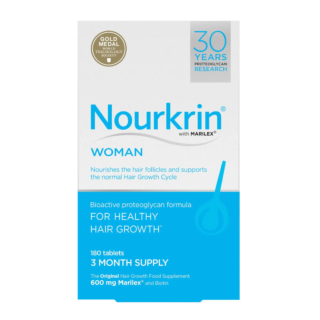
There’s a range of hair and scalp treatments that may promote hair growth in men, like Regaine products, or oral medication like Nourkrin tablets which aid the growth of new hair, whilst protecting your current.
Your doctor or pharmacist might prescribe you Finasteride, a medicine designed to treat men with mild to moderate hair loss.
Why do women suffer with hair loss?
Hair loss can be caused by a number of different reasons. Knowing why it is happening will go a long way to treating it.
Aside from genetics, causes of hair loss in women include:
- Stress
- Pregnancy and childbirth
- Eating disorder
- Vitamin overdose or deficiency
- Lack of protein
- Chemotherapy
Does creatine cause hair loss?
Creatine does not cause hair loss. The idea that it does is taken from a small 2009 study which didn’t directly find a link between creatine and hair loss.
What is male pattern hair loss?
Male pattern hair loss, also known as male pattern baldness, is a common reason why men lose their hair, and it usually isn’t anything to worry about.
This type of hair loss is usually hereditary, which means it runs in your family, and will usually start gradually, as you’ll notice your hairline receding or your hair growing thinner on top.
Male pattern hair loss is a normal part of getting older and it doesn’t need treatment, but many men decide to use medications that can help them to keep their hair as they grow older.
Can women use Propecia?
Propecia is not suitable for use in women or those who were assigned female at birth.
During clinical trials, finasteride has not been proven to work in patients with female pattern hair loss.
Another reason Propecia is not suitable for women is the potential risks it can have during pregnancy, including its effects on your baby's sex organs.
If you are dealing with genetic alopecia you should speak to your GP or another member of your healthcare team and ask them to recommend a treatment that could be right for you.
Can shampoo cause hair loss?
If you’re suffering from hair loss, it’s unlikely that your shampoo is causing it.
You may be noticing that your hair falls out when you’re in the shower, but that’s usually nothing to worry about as we all naturally lose around 50-100 hairs a day.
When you wash your hair, it will shift the hair that has already become detached.
If you leave your hair a while before your next shampoo, the strands that have become loose are waiting to be removed by washing - the more days you leave it, the more hairs you’ll see.
If your hair loss is significant, it’s more likely to be caused by ageing or a medical issue such as stress, illness or certain medications.
Are iron supplements good for hair loss?
Iron helps to carry oxygen to your red blood cells, which can make it an essential mineral for lots of functions, including hair growth.
Having anaemia, which is often the result of an iron deficiency, is a common cause of hair loss, especially in women.
If your body lacks the correct amount of iron to make enough red blood cells, the oxygen they create will be prioritized by your vital organs rather than your hair follicles.
Without enough oxygen, your hair follicles cease to function properly, and your hair may fall out.
Which vitamin deficiency causes hair loss?
There isn’t just one vitamin deficiency that can cause hair loss; having a lack of iron, vitamin D or zinc in the body can cause your hair to fall or thin out.
Iron provides nutrients and oxygen to your hair follicles to help them grow; if you don’t have enough iron, your hair will stop growing and eventually become thin.
Vitamin D also plays a key role in the creation of new hair follicles, helping to maintain the hair’s thickness and prevent it from falling out.
Not having enough zinc in your body can cause a similar reaction to having a lack of iron, and could damage your remaining hair by causing it to break.
What are the best hair loss treatments for women?
Female-pattern baldness is estimated to affect around 40% of women aged 70 years and over, but it can affect younger women too.
A proven treatment for female-pattern baldness is minoxidil, a topical treatment that increases blood flow around the hair follicles.
Many women notice their hair loss will slow down or stop altogether after using minoxidil, and their hair may even start to get thicker.
Always speak to your GP before starting any new hair loss treatments or medicines.
What causes hair loss in men?
Hair loss in men is usually hereditary, and this is a permanent type of hair loss but there are treatments such as minoxidil that can stop the balding process and encourage hair to grow.
Hair loss can also be caused by illness, stress, hormonal changes, or medication.
What causes hair loss in women?
Hair loss can be caused by a number of different reasons.
Knowing why it is happening will go a long way to treating it.
Aside from genetics, causes of hair loss in women include:
- Stress
- Pregnancy and childbirth
- Eating disorder
- Vitamin overdose or deficiency
- Lack of protein
- Chemotherapy