With a bowl of sweets by the door and a bag of leftovers in the cupboard, it's easy for sugar to creep up on you at this time of year. Here's how to keep your sugar intake in check without it coming back to haunt you once Halloween's been and gone.
Most of us in the UK eat more sugar than we need to. Thankfully, it's one of the easiest places to trim back if you're looking to lose weight.
Sugary foods and drinks are easy to over-consume, and the extra calories can be stored as fat, which leads to weight gain. This guide covers how much sugar you should aim for each day, plus eight practical ways to cut back without giving up your favourite treats.
Three key takeaways
You should stick to 30g of free sugars a day, which is about seven sugar cubes.
Changing something as simple as what you drink can cut a surprising amount of sugar without it feeling like a diet.
Don't punish yourself! Cutting down on sugar isn't about never having it again. Treats are allowed, and one chocolate bar won't undo your progress.
How much sugar can you have in a day?
Adults and children aged 11 and over should have no more than 30g of free sugars a day, which is roughly seven sugar cubes. Free sugars are those added to foods and drinks, like:
chocolate
biscuits
flavoured yoghurts
fizzy drinks
Surprisingly, these free sugars are also found naturally in things like:
honey
syrups (for example, maple syrup)
nectars (like blossom)
unsweetened fruit and vegetable juices
smoothies
The sugar that's found naturally in whole fruit, vegetables, and milk isn't considered a free sugar, and you don't need to limit it. However, it'll still be counted towards the total sugar content on your food and drink label.
Here's what 30g of sugar can look like:
Three Cadbury Dairy Milk Little Bars. Each 18g bar contains 10g of sugars.
About four mini bags of Haribo Starmix. At 47g of sugars per 100g, each 16g bag has roughly 7.5g.
One can of full-fat cola contains as many as nine sugar cubes, which is more than the daily limit for adults.
Sugar and weight loss explained
"Sugar can get in the way of weight loss because it's easy to eat a lot of it without feeling full. If you take in more calories than your body needs, the extra energy is stored as fat. Cutting back on free sugars is a simple way to trim calories without removing whole food groups.
"This doesn't mean sweet foods are off the menu, though. Foods high in fat, salt, and sugar should be eaten less often and in small amounts, not cut out completely. One treat isn't going to derail your journey. It's what you do most of the time that counts."
Cutting back on sugar might not sound like a treat for your taste buds, but the benefits could leave a much sweeter taste. Here's what you could gain:
Less sugar means fewer calories, which can support weight loss.
It protects your teeth. Sugar feeds the bacteria in your mouth that make acid. This acid dissolves enamel and causes tooth decay.
Reducing sugar helps to prevent weight gain and the increased risk of type 2 diabetes, coronary heart disease, and stroke.
By eliminating sugar spikes, you'll find that your fatigue, brain fog, and irritability will also reduce.
Improved sleep. Sugary foods too close to bedtime cause your blood sugar to spike, then drop, making it harder to fall and stay asleep.
Too much sugar can damage collagen and elastin, the proteins that keep your skin firm. Cutting back may leave your skin looking brighter, with less redness and fewer acne breakouts.
1. Swap sugary drinks for water or sugar-free versions
Sugary fizzy drinks and squash are an easy place to start. The NHS suggests water or sugar-free, diet, or no-added-sugar drinks. In fact, just by swapping a daily can of full-fat cola for a diet version could cut your sugar intake by a kilo every month!
2. Take less sugar in tea and coffee
If you take sugar in hot drinks, gradually reduce the amount until you can cut it out completely. Using a little less each week is easier than going cold turkey. If it helps you wean off, a sweetener can be a good alternative.
3. Choose a lower-sugar breakfast
Many breakfast cereals are high in sugar. Try plain porridge or plain wheat biscuit cereal (like Weetabix) and top them with chopped fruit for natural sweetness. Switching gradually, or mixing sugary and plain cereals in one bowl, can make the change easier.
4. Swap sweets for fruit
Fruit is a good swap for sweets, as the sugar in whole fruit doesn't count as free sugar. Other NHS-suggested snacks include fresh or tinned fruit in juice, unsalted nuts, and plain popcorn.
5. Read the label
Check the total sugars figure per 100g. The NHS says 22.5g or more is high, and 5g or less is low. Look for more green and amber traffic lights and fewer reds in your basket.
6. Watch for hidden sugar
Did you know that sugar turns up in savoury foods, too? Foods like ready meals, stir-in sauces, soups, and ketchup can all be high in sugar. Sweet and sour or sweet chilli dishes and some curry sauces are also worth avoiding when you eat out.
7. Limit juice and smoothies
While fruit juices and smoothies might seem like a healthy choice, they do actually contain free sugars. The NHS recommends no more than a combined total of 150ml a day, ideally with a meal.
8. Enjoy treats occasionally
Have your treat, savour it, and move on. Choosing a smaller portion, or having it less often, works better than banning it entirely. That way, you're more likely to stick with the changes you're making.
How Chemist4U can help
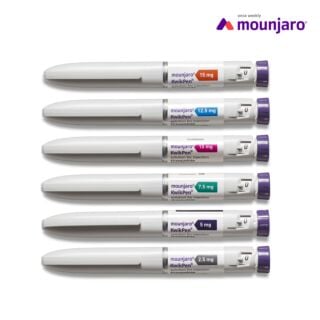
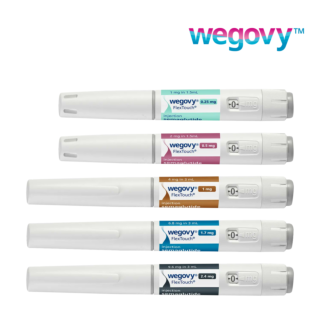
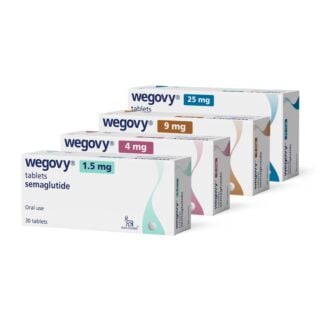
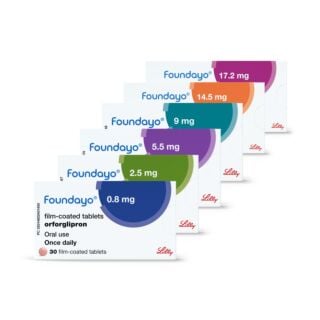
Cutting down on sugar is a great first step, but sometimes diet and exercise alone aren't enough.
Simply complete a free online consultation with our expert clinicians, and if a treatment is suitable for you, we'll deliver it quickly and discreetly to your door.
Eating too much sugar can lead to weight gain and tooth decay. If you regularly eat more than the recommended daily amount, these are the main things to watch out for.
What happens to your body when you reduce your sugar intake?
Reducing how much sugar you have means fewer calories, which can help with weight management. Your teeth benefit too, as less sugar means less acid forming in your mouth.
Your skin and sleep will also improve. Over time, it can also lower your risk of type 2 diabetes and heart disease.
What drink removes sugar from your body?
No drink removes sugar from your body. The best approach is to reduce how much goes in. Choose water or sugar-free drinks, which all count towards the recommended 6-8 glasses or cups of fluid a day.
Chemist 4 U uses cookies (and other techniques) to enhance your shopping experience.
Read more about our cookie policy, terms and conditions and privacy statement. By continuing on this site and accepting our cookies you agree to the collection of information on this basis by us and by third parties on the platform as well as direct email marketing. Please customise your cookie settings below.
Find out more about our data policies.