11 Benefits of Quitting Smoking: From Mental Health to Your Money
11 Benefits of Quitting Smoking: From Mental Health to Your Money
Whether you’ve smoked for a year or most of your adult life, it’s never too late to stop. From reducing your risk of serious health conditions to improving your mental wellbeing and saving money, the benefits ofquitting smoking can be life-changing.
And you’ll start noticing improvements almost instantly – just 20 minutes after your last cigarette, your body begins to recover as your heart rate starts returning to normal.
This guide will explore the physical and mental health benefits of quitting smoking, what to expect when you stop, and the support available to help you quit for good.
Three key takeaways
Quitting smoking can improve your heart and lung health, lower your risk of cancer, and help you breathe more easily.
The benefits aren’t just physical. Stopping smoking can reduce stress and anxiety, improve your mood, and boost your overall wellbeing.
Quitting can help you save thousands of pounds over time while protecting the people around you from second-hand smoke.
Physical health benefits of stopping smoking
Quitting smoking has both immediate and long-term benefits. Some improvements happen within hours of your last cigarette, while others develop over the following months and years as your body repairs itself.
"Many people worry they've smoked for too long to benefit from quitting, but that's simply not true. Improvements begin almost immediately, and your risk of serious conditions continues to fall the longer you stay smoke-free."
Smoking damages cells throughout the body. Once you stop, your body can begin repairing this damage. While the damage can’t be fully reversed, stopping smoking will reduce the likelihood of future disease.
2. Improved sense of taste and smell
Your sense of taste and smell can begin improving within 48 hours of quitting smoking.
Smoking reduces your ability to taste and smell by damaging nerve endings in your nose and coating your taste buds with chemicals like tar and nicotine.
When you stop, the cells begin to repair, meaning you might start to notice food tasting richer and aromas becoming more noticeable.
3. Helps you breathe easier
Most people find that breathing becomes easier within 72 hours, as their airways begin to relax. Over the following 3-9 months how well your lungs work may continue to improve by up to 10%.
This can look like:
coughing and wheezing less
getting out of breath less often
finding exercise easier
4. Improved heart health and circulation
Quitting smoking is one of the best health decisions you can make for your heart. Damaged blood vessels, increased blood pressure, and a higher risk of blood clots are just a few of the issues caused by smoking.
Your circulation starts improving within weeks of stopping, making it easier for blood and oxygen to reach your muscles and reducing the risk of long-term heart conditions.
According to the NHS:
After one year, your risk of heart attack halves compared to that of a smoker.
After 15 years, your risk of heart attack is similar to someone who has never smoked.
5. Improved sexual health and fertility
Quitting can improve fertility and sexual health in both men and women because smoking affects circulation to the reproductive organs. It can also reduce sperm quality, make it more difficult to conceive, and contribute to erectile dysfunction (ED).
Improved circulation after quitting may help support:
the quality of your erections
the quality of your sperm
your fertility
your reproductive health
6. Improved skin and oral health
Smoking contributes to premature skin ageing, tooth staining and gum disease. So you may notice healthier-looking skin and improved oral hygiene after quitting smoking. This can include:
fresher breath
reduced tooth staining
healthier gums
brighter skin tone
slower skin ageing
Mental health benefits of quitting smoking
Although some people feel smoking helps them relax, nicotine can actually contribute to a cycle of cravings and withdrawal that increase feelings of anxiety.
Stopping smoking can help break this cycle and improve your mental wellbeing.
7. Reduced stress and anxiety
“Quitting smoking can reduce anxiety and stress once your nicotine withdrawal passes.
"Nicotine creates a cycle where cravings cause stress and anxiety, and smoking temporarily relieves these symptoms. This can make it seem like cigarettes help, when they're often contributing to the problem.
"People who quit smoking report lower levels of anxiety, depression, and stress compared with people who continue smoking.”
Ian Budd, Prescribing Pharmacist at Chemist4U
8. Improved mood
Nicotine affects chemicals in your brain that regulate mood and pleasure. When you quit, your brain gradually adjusts to functioning without it and begins to rebalance.
Your mental health and wellbeing also improve after quitting smoking. People who stop smoking often experience an increased positive mood and a better quality of life.
9. More freedom
Stopping smoking removes the need to plan your day around cigarettes. The strength to quit proves that you can break unhealthy habits, and this itself can feel empowering.
Quitting gives you more freedom to enjoy your free time and everyday activities without worrying about when you’ll have your next cigarette.
Other benefits of stopping smoking
10. Financial savings
Smoking can be expensive, particularly if you smoke every day.
Quitting means that money can be put towards something else, whether that’s a holiday, savings or everyday expenses.
11. Protect your family and friends
Second-hand smoke can be harmful and increase the risk of smoking-related diseases in people who don’t smoke. Children are particularly vulnerable, with exposure increasing their risk of respiratory infections and asthma attacks.
Quitting helps protect those around you, be that family or friends, and creates a healthier environment at home.
How Chemist4U can help you quit smoking
Quitting smoking can be difficult, but you don't have to do it alone.
At Chemist4U, we offer a range of stop-smoking treatments and support options, including:
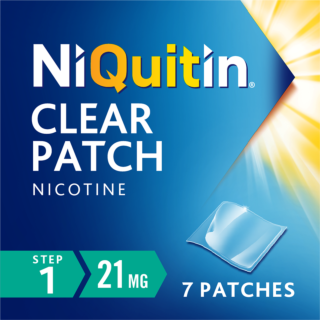
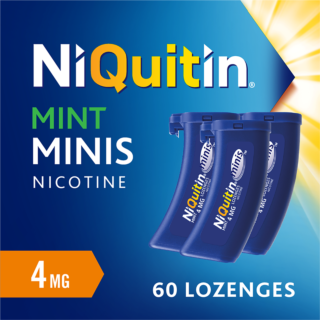
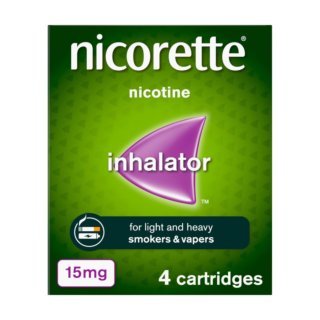
Nicotine replacement therapy (NRT)
NRT products help reduce cravings by supplying nicotine without the harmful chemicals found in cigarette smoke.
For some people, prescription-only medicines can improve the chances of quitting successfully. We offer three stop smoking treatments:
Varenicline tablets: tablets taken daily over 12 weeks, that helps reduce cravings and withdrawal symptoms, while making cigarettes less enjoyable.
Cystine tablets: tablets taken daily over 25 days, that helps reduce nicotine cravings.
Zyban tablets: tablets taken daily over 8 weeks, containing the active ingredient bupropion hydrochloride. It reduces your nicotine cravings and makes smoking less satisfying.
You can access these through our online consultation service, where our clinicians will assess whether treatment is suitable for you.
Frequently asked questions about the benefits of stopping smoking
How long does it take to see the benefits of quitting smoking?
Benefits begin within 20 minutes of your last cigarette, when your heart rate starts returning to normal. Taste and smell often improve within 48 hours, while breathing and circulation can improve over the following weeks.
Some benefits happen almost immediately, while others develop gradually over months and years. The longer you remain smoke-free, the greater the health benefits become.
Can your lungs 100% recover from smoking?
Your lungs can recover significantly after quitting smoking, but whether they can fully recover depends on the extent of the existing damage.
Your lungs begin clearing mucus and repairing themselves soon after you stop, and within a few months, you may experience less coughing and breathlessness. While some long-term damage may not be fully reversible, quitting dramatically reduces your risk of future lung disease.
What happens after 21 days of not smoking?
After 21 days, nicotine withdrawal symptoms have usually started to improve, and your circulation and lung function are continuing to recover.
Many people find exercise easier, breathing more comfortable, and cravings less intense than during the first week, which is considered particularly challenging.
How long until nicotine is 100% out of your system?
Nicotine is usually cleared from the body within around 72 hours after your last cigarette.
However, cravings and withdrawal symptoms can continue for several weeks while your brain and body adjust to life without nicotine.
Is vaping better than smoking?
Current NHS guidance states that vaping is substantially less harmful than smoking cigarettes and can help some adults quit smoking. However, vaping is not risk-free and is intended as an aid to ease your way off smoking cigarettes, rather than a long-term habit.
The healthiest option remains being free from both smoking and vaping.
Chemist 4 U uses cookies (and other techniques) to enhance your shopping experience.
Read more about our cookie policy, terms and conditions and privacy statement. By continuing on this site and accepting our cookies you agree to the collection of information on this basis by us and by third parties on the platform as well as direct email marketing. Please customise your cookie settings below.
Find out more about our data policies.