It might sound surprising, but some everyday medications could be getting in the way of things in the bedroom.
Certain prescription drugs, painkillers, antihistamines, and even some recreational substances like smoking and alcohol could be behind your erectile dysfunction (ED).
While there are plenty of reasons why you might be experiencing ED, if you’ve explored all other possibilities, it might be time to take a closer look at your medication.
Read on to discover the seven most common medicines that can cause ED.
Three key takeaways
Antidepressants and blood pressure medication are some of the most common culprits behind erectile dysfunction. Smoking (nicotine) and alcohol can also hinder your ability to get and keep an erection, too.
Always speak to your GP or prescriber before stopping any medication, even if you think it could be causing your ED.
There are options available to treat your erectile dysfunction. Whether it’s adjusting your current dose, trying alternatives, or looking into ED tablets like Viagra and Cialis (if suitable), the answer is out there.
What is erectile dysfunction?
Erectile dysfunction, also known as impotence or ED, is a common issue that affects men. The main symptom of erectile dysfunction is the inability to achieve or maintain an erection strong enough for sex, and it can knock your confidence.
Most men experience it at some point, but if it happens frequently, you should see your GP or talk to a pharmacist. Erectile dysfunction can be treated with medication or lifestyle changes.
7 medicines that cause erectile dysfunction
The cause of your erectile dysfunction might be sitting in your medicine cabinet.
1. Antidepressants
“Antidepressants can cause erectile dysfunction in a few different ways. They’re used to treat depression, alongside other psychological conditions, by correcting the chemical imbalances in the brain that can cause low mood.
“While they’re great at improving your mental health, they can disrupt your sex life by causing low sexual desire. If you’re not interested in sex, getting an erection becomes that much harder.
“Untreated depression can also lead to sexual problems such as low libido, so it’s about finding the right treatment plan that suits you. Your GP may be able to adjust your dose, try other types of antidepressants, or use it in combination with talking therapies.
“Some types of antidepressants are more likely to cause erectile dysfunction than others. Selective serotonin reuptake inhibitors (SSRIs) are the most widely prescribed antidepressants but are more likely to cause ED than other types.”
Getting and maintaining an erection that lasts long enough for sex depends on adequate blood flow to the penis. When you have hypertension (high blood pressure), it puts strain on your blood vessels and heart, making it harder to pump blood around the body due to the arteries becoming narrowed and hardened. This lack of blood flow to the penis results in weaker erections.
Unfortunately, the medicines used to treat high blood pressure can also cause ED. They reduce blood pressure by either relaxing or widening the blood vessels, flushing the body of excess water and salt (diuretics), or slowing down your heartbeats and reducing their force (beta blockers).
If you’ve noticed your erectile dysfunction starting soon after taking blood pressure medication, there’s a good chance it could be the cause. It’s important to remember though, that being diagnosed with a condition like high blood pressure can cause a great deal of stress. The psychological effects of a diagnosis can cause erectile dysfunction rather than the medication.
3. Antihistamines
You may be surprised to discover that your spring and summer staple, antihistamines, can cause, or at least contribute, to erectile dysfunction.
Histamine is a natural substance produced by the immune system in response to an allergy or injury. Surprisingly, it’s also known to play a role in healthy erections, not only in psychological arousal but also physically by promoting blood flow to the penis.
By blocking the actions of histamine through the overuse of antihistamine drugs, it’s thought that erectile problems can occur.
While antihistamines are generally considered safe, if you’re taking them regularly and are experiencing erectile dysfunction, you may find that reducing your use brings back your erection.
Diphenhydramine and promethazine are noted as being the top antihistamines associated with ED. So, speak to your GP about alternative treatments if you believe antihistamines are causing your impotence.
4. Painkillers
Long-term use of painkillers such as opioids and non-steroidal anti-inflammatory drugs (NSAIDs) are linked to erectile dysfunction and low sex drive, directly and indirectly.
Firstly, long-term use of painkillers can lower the male sex hormone, testosterone. This hormone plays an essential role in sex drive, with a healthy libido being vital to achieve an erection.
Secondly, opioid use can go hand in hand with mental health issues such as depression, anxiety and addiction, all of which can lower mood and sex drive and contribute to ED.
5. Antiepileptics
Drugs used to treat epileptic seizures like phenytoin include sexual dysfunction, like low libido and erectile problems, as possible side effects.
Although not everyone who takes antiepileptics will experience these side effects, their ability to lower free testosterone levels in men increases the chances of erectile dysfunction.
Some antiepileptic drugs can leave people feeling unaroused despite attempts to arouse. This makes it more difficult to achieve an erection.
Some antiepileptics are less likely to cause sexual dysfunction such as pregabalin. Speak to your GP about trying alternatives instead.
6. Parkinson’s disease medication
Some drugs used to treat Parkinson’s disease can lower sex drive and cause problems with arousal. It’s common to experience depression while living with Parkinson’s and some drugs used to treat depression can have a negative impact on sexual desire.
On the other hand, hypersexuality (impulsive sexual feelings and thoughts that may lead to compulsive and inappropriate behaviour) is also a side effect of some medicines used to treat the symptoms of Parkinson’s disease, particularly dopamine agonists.
7. Medicines for prostate cancer
Prostate cancer treatments can affect erections in two ways. Hormone therapy can lower levels of testosterone which is an important hormone that plays a role in erections and orgasms.
If a tumour is close to the nerves and radiotherapy is needed, this treatment can cause nerve damage and erection problems can occur as a result.
Prescription and over the counter medicines are not the only drugs that can cause ED. Other drugs that are used recreationally, whether obtained illegally or not, also run the risk of causing sexual dysfunction.
Both nicotine and alcohol can cause erectile dysfunction. Alcohol not only lowers testosterone, but also depresses the central nervous system and interferes with the signals between the brain and the penis. This prevents blood flow to the penis and decreases sensitivity in the genital area.
While some substances may increase sex drive, such as alcohol and cannabis, abuse of them can cause physical side effects that prevent penetrative sex from happening because an erection cannot be achieved or maintained.
Other recreational drugs known to cause ED include:
cocaine
heroine
amphetamines
barbiturates
How to treat erectile dysfunction
“The majority of the medicines listed above are taken to treat a serious illness or condition, and often, erectile dysfunction can be a symptom of the psychological distress of a diagnosis or a decrease in quality of life rather than the medication itself.
“That said, these medicines can also cause physiological side effects that cause or contribute to erectile dysfunction.
“Thankfully, there are lots of erectile dysfunction treatments out there, as well as vacuum pumps and even surgical implants. If you want to try medicines that treat erectile dysfunction, make sure that these drugs won’t interact with any other medicines you’re currently taking.
“Leading a healthy lifestyle that involves getting enough sleep, eating a balanced diet, exercising, stopping smoking, and reducing alcohol intake can help restore healthy erections. This alongside counselling and therapy may help improve your response to sex if adjustments to your medication aren’t possible.”
Ian Budd, Prescribing Pharmacist at Chemist4U
Viagra, Viagra Connect, and sildenafil
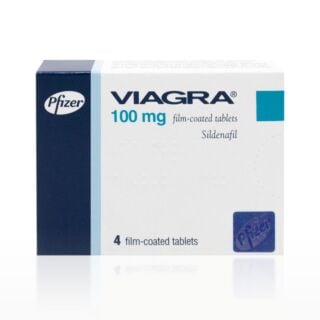
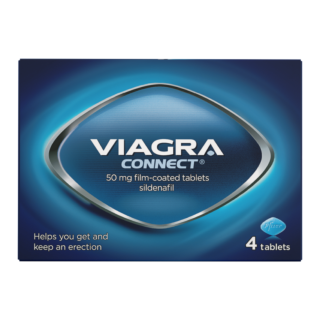
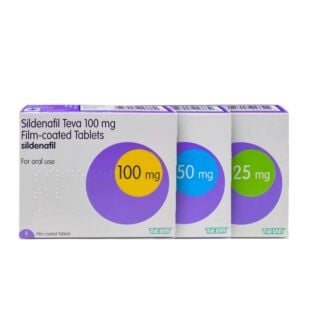
One of the most well-known treatments for erectile dysfunction is Viagra. Not only is sildenafil the active ingredient in both Viagra and Viagra Connect (the lower dose version that’s available over the counter), it's also available as a much cheaper generic tablet.
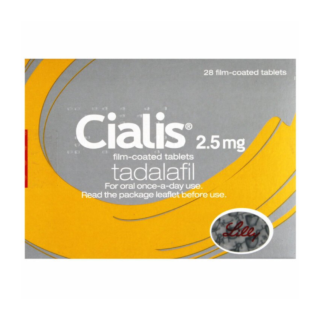
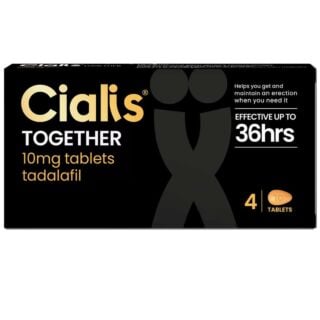
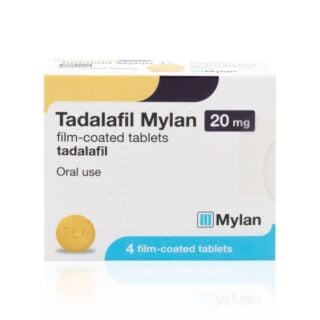
If you’re looking for an alternative to Viagra, try Cialis. It works in the same way as Viagra, but it lasts for up to 36 hours, enabling for more spontaneity. The lower strength version, Cialis Together, is available over the counter, in addition to unbranded tadalafil on prescription.
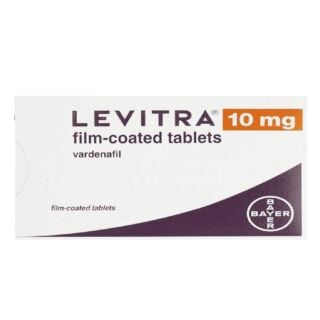
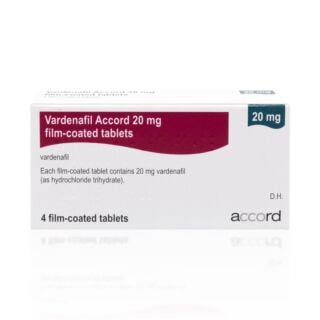
Another option is Levitra (and its generic version, vardenafil). Levitra works relatively quickly, usually within 25-60 minutes, with effects lasting for around four to five hours.
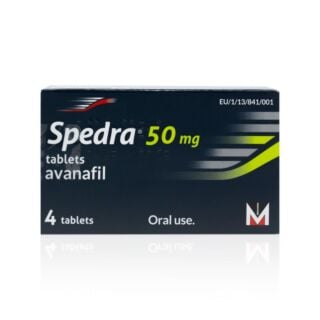
What sets Spedra apart is its speed. It can start working in as a little as 15 minutes, with effects lasting between four to six hours, which can be beneficial if you want more flexibility around timing.
How our expert clinician team can help
Don’t suffer in silence. If erectile dysfunction is affecting your confidence and wellbeing, reach out to your GP or one of our pharmacists. Having an open, honest conversation is the first step towards finding a solution that works for you.
Chemist 4 U uses cookies (and other techniques) to enhance your shopping experience.
Read more about our cookie policy, terms and conditions and privacy statement. By continuing on this site and accepting our cookies you agree to the collection of information on this basis by us and by third parties on the platform as well as direct email marketing. Please customise your cookie settings below.
Find out more about our data policies.