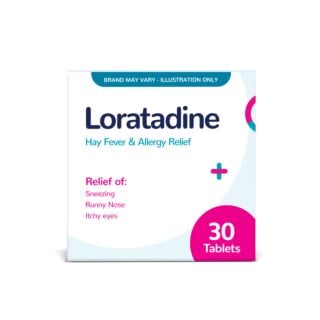
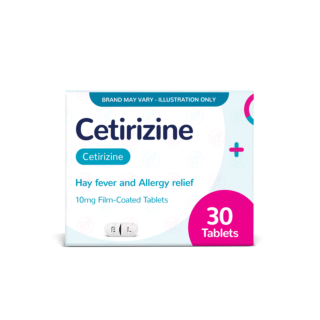
Struggling with sneezing, itchy eyes, or a runny nose? The good news is that there is a whole host of allergy treatments that can help ease your symptoms. But which one’s right for you?
In this guide, we'll look at two of the most popular options: loratadine and cetirizine. We’ll walk you through how they differ, their side effects, dosing information, and price. We'll even explore some alternatives if neither quite hits the mark.
Three key takeaways
Cetirizine works faster and is more effective for insect bites (as well as allergies). Loratadine has fewer side effects and is better for long-term use, with no side effects when you stop taking it suddenly after prolonged use.
Both are safe, affordable, and cause less drowsiness than older antihistamines. They're considered safe during pregnancy (as long as they have been prescribed by your GP or recommended by your health visitor) and cost under £1 for a month's supply of the unbranded versions.
What works for one person might not work for another. It can take some trial and error to find the right antihistamine for you. If neither suits you, fexofenadine is another good option worth trying.
Drowsiness, headaches, dry mouth, nausea, dizziness, diarrhoea, sore throat, sneezing or a blocked and runny nose
Price
Generic (unbranded) starts from 99p
Generic (unbranded) starts from 79p
Loratadine vs cetirizine: what's more effective?
When it comes to relieving hay fever symptoms, both loratadine and cetirizine are highly effective, though cetirizine tends to have a slight advantage.
Cetirizine gets to work quicker, too, kicking in within one hour compared to loratadine’s 1-3 hours. That said, loratadine has fewer side effects, making it a great choice if you’re sensitive to medications or want something gentler.
Both loratadine and cetirizine are potentially safe to take during pregnancy, as long as they've been prescribed by a clinician or pregnancy health expert.
Loratadine vs cetirizine: how much should you take?
Both loratadine and cetirizine have simple dosing instructions, though there are a few differences depending on age and weight.
Loratadine dosage
Adults and children over 12: one 10mg tablet once a day.
Children aged 6-12 over 30kg: one 10mg tablet once a day.
Children aged 2-12 under 30kg: use liquid form instead.
Children under 2: not recommended.
If you have serious liver problems: take one tablet every other day (or use liquid form for children under 30kg).
Cetirizine dosage
Adults and children over 12: one 10mg tablet once a day.
Children aged 6-12: half a tablet (5mg) twice a day (liquid form is easier).
Children under 6: not recommended for tablets; use liquid form.
Children under 2: not recommended.
Loratadine vs cetirizine: what's cheaper?
When it comes to cost, there's very little difference between loratadine and cetirizine, and both are incredibly affordable.
Generic (unbranded) loratadine typically starts from around 99p, while generic cetirizine can be even cheaper at around 79p for a month’s supply (30 tablets).
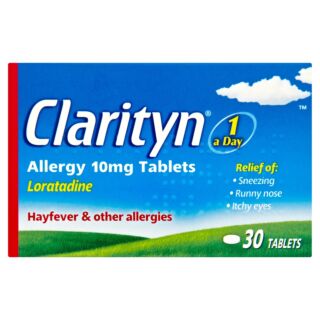
Branded versions like Clarityn (loratadine) or Piriteze (cetirizine) will cost more, but the active ingredient is exactly the same as the generic version.
So, if you're looking to save money without compromising on effectiveness, going for the unbranded version of either treatment is a good choice.
Both loratadine and cetirizine are generally well-tolerated, but like all medications, they can cause side effects in some people.
Common side effects of loratadine may include:
drowsiness
headaches
nervousness
Common side effects of cetirizine may include:
drowsiness (more common than loratadine)
headaches
dry mouth
nausea
dizziness
diarrhoea
sore throat
sneezing or a blocked and runny nose
“Many people take either medication without experiencing any side effects at all. But if you do notice any unwanted effects that bother you or don't go away, it's worth speaking to your pharmacist or GP.
“They may recommend switching to another antihistamine to see if it works better for you.”
“Both loratadine and cetirizine can interact with other medications, so it's important to check before taking them alongside anything else.
“There may be issues when combining either antihistamine with herbal remedies and supplements, especially those that cause sleepiness, a dry mouth, or difficulty peeing.
“Unfortunately, there's not enough information to confirm whether herbal remedies are safe to take alongside antihistamines like loratadine and cetirizine, as they're not tested in the same way as pharmacy and prescription medicines.”
amiodarone (a medicine used to treat an irregular heartbeat)
cimetidine (an indigestion medicine)
erythromycin (an antibiotic)
any medicine that makes you feel sleepy, gives you a dry mouth, or makes it difficult for you to pee, as taking loratadine might make these side effects worse
Loratadine vs cetirizine: how long should you use it for?
“Both loratadine and cetirizine are considered safe to take over extended periods and are unlikely to cause harm with long-term use. However, it's generally best to take them only for as long as you actually need them.
“If you've been taking cetirizine every day for a long time, there's a very small chance you might experience severe itching if you stop suddenly. To avoid this, it's worth having a chat with your doctor before stopping treatment so you can come off it safely.”
Ian Budd, Prescribing Pharmacist at Chemist4U
What's the right treatment for you?
When it comes to finding the right treatment for you, both loratadine and cetirizine are effective, non-drowsy options for managing hay fever and allergies. But the best choice depends on your individual circumstances.
Loratadine:
has fewer side effects and is well-tolerated by most people
is safe to take during pregnancy (as long as it’s prescribed by a clinician)
If loratadine and cetirizine don't quite work for you, don’t worry! There are other antihistamine options you can try.
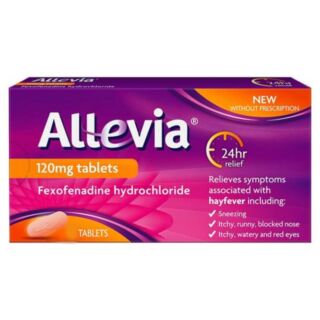
For example, there’s fexofenadine, a treatment that’s effective at managing hay fever and doesn't typically cause drowsiness.
You can buy it as a generic drug, or under brand names like Allevia, Treathay, and Telfast. Allevia Hives contains a higher dose of fexofenadine (180mg instead of the standard 120mg) and is the best antihistamine for treating nettle rash or hives.
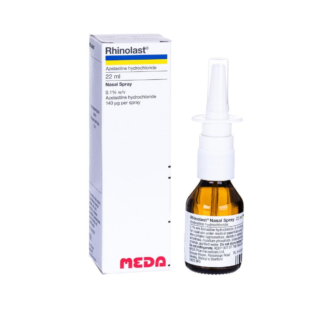
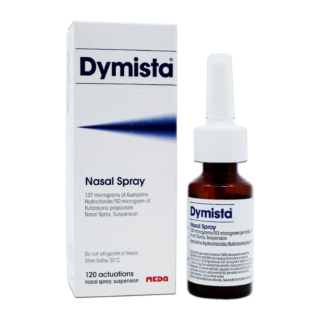
If your main struggle is a blocked or runny nose, nasal sprays can provide targeted relief.Rhinolast is an antihistamine nasal spray, while Dymista combines an antihistamine with a corticosteroid to reduce inflammation, helping you to breathe better.
Frequently asked questions about loratadine vs cetirizine
What's the strongest antihistamine?
One of the strongest antihistamines available is Neoclarityn (desloratadine), a prescription-strength, non-drowsy treatment that provides powerful, long-lasting relief from hay fever and allergy symptoms.
Allevia Hives contains a higher dose of fexofenadine (180mg), but it's only suitable for treating hives or nettle rash.
Can I use loratadine for swollen lips?
Yes, you can use loratadine to treat swollen lips if the swelling is caused by an allergic reaction. This type of swelling is known as angioedema, which is a sudden swelling often triggered by allergies.
Is loratadine safe in pregnancy?
Loratadine is considered safe to take during pregnancy (as long as it’s prescribed by a clinician). It’s often recommended as a first-choice antihistamine for managing hay fever and allergy symptoms while you're pregnant.
Will cetirizine make you sleepy?
Cetirizine is a non-drowsy antihistamine, so it's unlikely to make you feel sleepy. However, some people do experience drowsiness as a side effect, particularly when they first start taking it.
Chemist 4 U uses cookies (and other techniques) to enhance your shopping experience.
Read more about our cookie policy, terms and conditions and privacy statement. By continuing on this site and accepting our cookies you agree to the collection of information on this basis by us and by third parties on the platform as well as direct email marketing. Please customise your cookie settings below.
Find out more about our data policies.