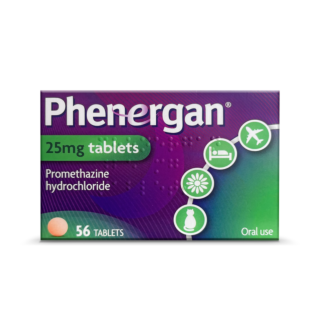
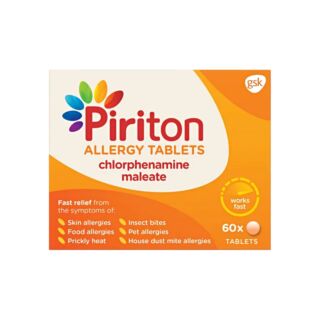
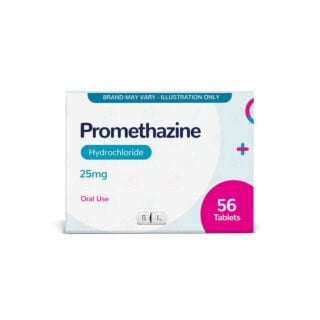
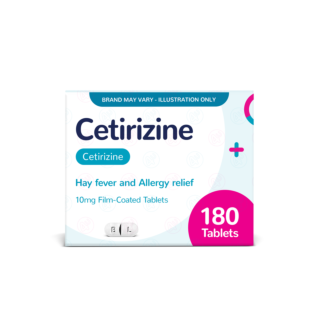
Usually working within 15 minutes to an hour, antihistamine tablets can provide quick relief for hay fever or allergy symptoms. They’re easy to buy, easy to use, and can even stop you from getting symptoms entirely if you use them in time.
But speed isn’t the only thing to pay attention to. While some antihistamines work faster, others are more effective for specific symptoms or stay in your system for a longer period of time.
In this guide, we’ll cover how long antihistamines take to work, the different types available, and what to do if they don’t work.
Three key takeaways
Antihistamines are a very effective, over-the-counter way to treat the symptoms of allergies and hay fever.
Some antihistamines make you drowsy, while other, newer versions are generally considered non-drowsy.
Antihistamines work at different speeds, but the fastest is not necessarily the treatment that’s right for you or your symptoms.
What are antihistamines?
Antihistamines are a group of medicines that are used to treat the symptoms of allergies, motion sickness, nausea and even, in some cases, insomnia. Most are available over the counter without a prescription, and come in tablet, capsule, liquid, gel, nasal spray and eye drop form. There are two categories of antihistamines:
H1 blockers,: which are used to treat allergy symptoms and motion sickness.
H2 blockers: which treat stomach and digestive conditions like acid reflux, nausea and stomach ulcers.
In this guide, we’ll focus on H1 blockers, which are used to treat hay fever and allergy symptoms. There are two main groups of H1 blocker antihistamines.
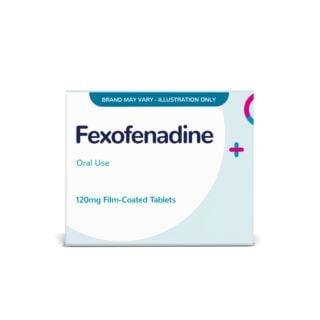
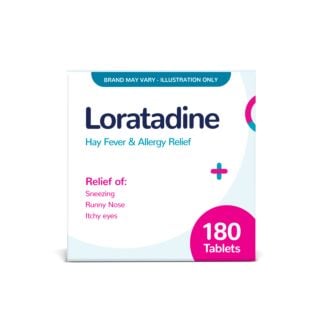
Most clinicians recommend second-generation antihistamines to treat allergy symptoms as they don’t cause drowsiness. These include cetirizine, fexofenadine, acrivastine (Benadryl) and loratadine (Clarityn).
Find out more about loratadine vs cetirizine, and which is the right fit for you, with our comprehensive guide.
“If your body comes into contact with something harmful such as an infection, it releases substances called histamines. These histamines cause blood vessels and tissues to swell to protect your body.
“An allergic reaction happens when your immune system mistakes something that’s usually harmless, like pollen, dust or animal fur, for a threat. Your body releases histamines which cause swelling and allergy symptoms. If you take antihistamines before or shortly after you encounter the substance you’re allergic to (an allergen), they help reduce the severity of your symptoms.
“You can choose to take antihistamines when your symptoms become apparent, or daily in order to prevent symptoms appearing.”
Antihistamines take between 30 minutes and one hour to work. They hit their peak effectiveness around 1-2 hours after you’ve taken them. It’s usually most effective to take antihistamines before your symptoms appear. Most provide relief from symptoms for 12-24 hours.
Which antihistamine works fastest?
In tablet form, antihistamines work at the following rates.
Tablets generally work more slowly than topical forms (sprays, eye drops and creams). Eye drops work within minutes, nasal sprays between 15-30 minutes, and tablets between 15 minutes and three hours (depending on the medication). However, drops and sprays only treat the area to which you apply them, while tablets enter your bloodstream and treat multiple symptoms.
Are antihistamines faster than other hay fever treatments?
Antihistamines generally work faster than other forms of allergy relief. However, some forms of allergy treatment that take longer to become effective are better for long-term management of symptoms:
Antihistamine eye drops: effective within a few minutes, but only treat localised symptoms.
Antihistamine nasal sprays: act within 15 to 30 minutes but only treat congestion or a runny nose.
Antihistamine tablets: most work within 30 minutes, and almost all are effective within an hour. Most over-the-counter tablets reach peak effectiveness in 1-2 hours and treat multiple symptoms.
Corticosteroid sprays or drops: can take several days to become fully effective, but are good at controlling congestion and itchy eyes. You will need to take them consistently for full effectiveness.
What to do if antihistamines don't work
If antihistamines aren’t providing relief from your symptoms you might consider:
Speak to your prescriber
Over-the-counter antihistamines may not be strong enough to help tackle your symptoms. Have a chat with a pharmacist about stronger or alternative options.
Visit your GP
If you’re not sure what you’re allergic to, your GP may be able to diagnose your allergy with a consultation. Some people are then referred to a clinic for more blood or skin prick testing. If you’re allergic to food or drink, your health provider might also suggest following an elimination diet.
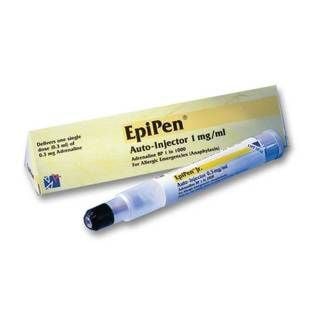
If your allergic reactions are extreme or getting worse, your GP may prescribe an adrenaline auto-injector, like an EpiPen, to use in case you come into contact with your allergen. If you or someone else has a severe allergic reaction (anaphylaxis) you should use an EpiPen if you have one and call 999.
Immunotherapy treatment involves visiting a medical professional who will gradually and carefully expose you to your allergen so your body becomes used to it. Your GP can refer you to a clinic.
How our expert team of clinicians can help
We can help you find the best antihistamines to help you manage your symptoms. Some are available without prescription, while others require a consultation with our experienced prescribers.
We’ve also got syrups and eye drops if tablets aren’t working for you. You can also stock up on your adrenaline auto-injector if you’ve already got a prescription from your GP.
NICE recommends non-drowsy antihistaminea like cetirizine, fexofenadine or loratadine to manage hives (an itchy, raised rash). If the hives continue, your doctor may recommend you try a short course of oral corticosteroid like prednisolone. If you are having problems sleeping because of the itching, you might consider a first generation antihistamine like Benylin or Piriton.
What is the strongest antihistamine in the UK?
Fexofenadrine (Allevia) is considered to be one of the strongest antihistamines, as it’s very effective and non-drowsy. It’s available in 120mg form over the counter, and at 180mg with a prescription to treat hives.
Chemist 4 U uses cookies (and other techniques) to enhance your shopping experience.
Read more about our cookie policy, terms and conditions and privacy statement. By continuing on this site and accepting our cookies you agree to the collection of information on this basis by us and by third parties on the platform as well as direct email marketing. Please customise your cookie settings below.
Find out more about our data policies.