Most allergic reactions are mild, and symptoms can be kept at bay with medications like antihistamines and nasal sprays. However, some allergies can be more serious, and even life-threatening, if not treated in time.
We’ll walk you through how to deal with an allergic reaction, how long symptoms can last, and when you should seek medical help.
Three key takeaways
Allergies are very common and usually mild.
Symptoms can vary hugely but are normally manageable using antihistamines.
Some symptoms indicate a more serious, anaphylactic reaction. We’ll look carefully at when you should seek urgent medical help.
What causes an allergic reaction?
“An allergic reaction happens when your immune system mistakes something that’s usually harmless, like pollen, dust or animal fur as a threat and produces antibodies in response.
“When you are exposed to the substance you are allergic to (allergen), your body releases chemicals including histamine that cause tissues in your body to swell and itch, which results in the signs of an allergic reaction. Symptoms vary from person to person, and even from attack to attack.”
An allergic reaction can last anywhere from a few minutes or hours to several days. It depends on how severe your response is, and the kind of allergen you’ve been exposed to.
If you have a severe reaction, known as anaphylaxis, symptoms can last days, and will sometimes need extended medical attention.
What’s the difference between an allergic reaction and anaphylaxis?
It’s not always easy to tell the difference between an allergic reaction and anaphylaxis. But a good rule of thumb is that an allergic reaction usually only affects one part of your body, while anaphylactic shock involves multiple organs.
Most doctors consider an allergic reaction to be anaphylaxis if it causes breathing difficulties, affects your heart rhythm, or affects your blood pressure. Healthcare professionals sometimes refer to these as the ABC symptoms.
If your symptoms affect your:
airway (swelling in the throat, tongue or windpipe, hoarse voice, difficulty swallowing.)
breathing (noisy breathing, cough, wheezing.)
circulation (clammy skin, feeling faint, sleepiness, confusion or collapse.)
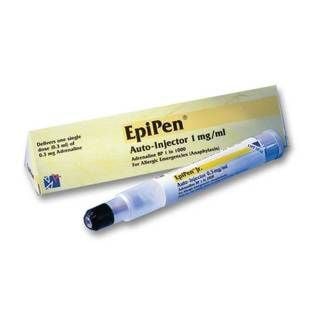
Then you should use your adrenaline auto-injector (like an EpiPen) if you have one, and seek immediate medical help.
It can be difficult to tell the difference between mild symptoms and more serious signs of anaphylaxis (or anaphylactic shock). If you’re in any doubt, seek immediate medical assistance.
Symptoms of anaphylaxis can include:
wheezing
tightness in your throat
coughing
hoarse voice
noisy breathing
trouble breathing
swollen lips, tongue, throat or face
skin flushing
skin turning pale, ashen or blue
dizziness
faintness
rapid heart rate
severe stomach pain
vomiting
diarrhoea
tiredness
confusion or agitation
uterine cramps in women
anxiety
And severe signs of anaphylaxis can include:
a dramatic fall in blood pressure
breathing difficulties
choking
wheezing
tongue or throat swelling
fainting or collapse
drowsiness
extreme confusion
cold skin
weak pulse
a child becoming floppy or finding it difficult to lift their head
When to seek medical attention
If you or someone else is showing any of the signs listed above of anaphylactic shock, you should call 999, use an adrenaline auto-injector if you have one, and make sure the person having the allergic reaction is sitting or lying down.
Anaphylaxis can escalate very quickly, and you may not see the same symptoms each time you experience a reaction. If you are in any doubt seek urgent medical attention.
If your milder symptoms have started to become more extreme, unmanageable or have changed, make an appointment with your GP. You may want to go for blood or skin prick testing to confirm what substance you’re allergic to.
What can treat an allergic reaction?
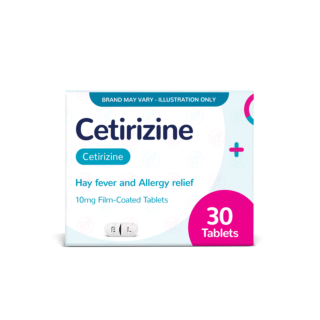
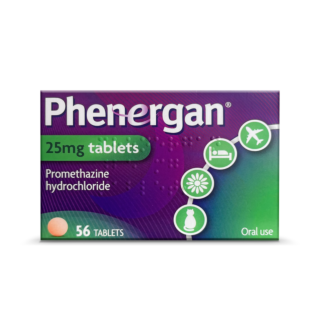
The best treatment for your allergic reaction depends on your symptoms. Some can be managed using antihistamine tablets, while others might need a direct solution like eye drops or a nasal spray. And if you have more severe reactions your doctor will prescribe an adrenaline auto-injector.
Most clinicians recommend second-generation antihistamines, as they don’t cause drowsiness. These include:
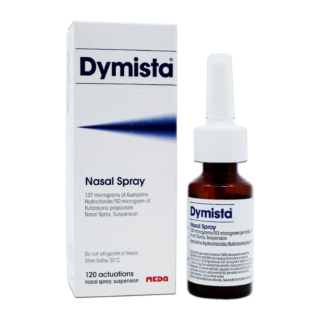
Some symptoms can be managed more directly with nasal sprays like Dymista, which block triggers like pollen or dust mites while reducing inflammation in the nose.
If medication isn’t working, immunotherapy treatment for allergic reactions involves visiting a medical professional who will gradually and carefully expose you to your allergen, so your body becomes used to them. Your GP can refer you to a clinic.
household chemicals (including those in detergents and hair dyes)
Do allergies get worse with age?
Most people grow out of childhood allergies, especially those who react to cow’s milk, eggs, wheat and soya. But some allergies develop for the first time in adulthood or worsen.
This can be due to:
your immune system changing and becoming less effective
prolonged exposure to your allergens
physical changes such as thinner skin allowing allergens to penetrate more easily
environmental factors such as climate change creating longer pollen seasons
medication interactions; allergic reactions can become more pronounced when combined with treatments such as blood pressure medications
your body’s stress response changing and increasing the release of histamines
Can you develop allergies while pregnant?
Yes. When you’re pregnant, your hormones fluctuate, your immune system changes, and you experience increased blood flow. This can mean that your existing allergy symptoms can become more or less pronounced during pregnancy. Some people become sensitive to different or new allergens.
Chemist 4 U uses cookies (and other techniques) to enhance your shopping experience.
Read more about our cookie policy, terms and conditions and privacy statement. By continuing on this site and accepting our cookies you agree to the collection of information on this basis by us and by third parties on the platform as well as direct email marketing. Please customise your cookie settings below.
Find out more about our data policies.