The type of contraception that's right for you depends entirely on what you need.
If you want something you can use as and when, condoms might be the answer. If you'd prefer something you take daily, or you want to manage things like period pain or acne, the combined contraceptive pill could be a good fit. But if you're after something more low-maintenance, an IUS, IUD, or implant could be the better option.
With so many choices out there, it can be hard to know where to start. That's where this guide comes in. Keep reading to find out everything you need to know about the different types of contraception available and how to choose what’s right for you.
Three key takeaways
Your health, lifestyle, and personal preference all play a part in what type of contraception is right for you. It might also take some time to find what works best.
Most contraception is over 99% effective at preventing pregnancy when used correctly, but typical use lowers that. Only condoms (male and female) can prevent both pregnancy and STIs.
Hormonal contraception works by using hormones (oestrogen, progestogen, or both) to prevent pregnancy. Depending on the method, it does this by stopping ovulation, blocking sperm from reaching an egg, or preventing a fertilised egg from implanting in the womb (uterus).
“It's important to know that hormonal contraception isn't suitable for everyone, and finding the right method can sometimes take a little trial and error.
“Potential side effects, your lifestyle, and any existing medical conditions all play a part in what will work best for you.
“That's why it's always worth asking questions and getting personalised advice from your GP or prescriber, who can help make sure whatever you choose is safe and right for you.”
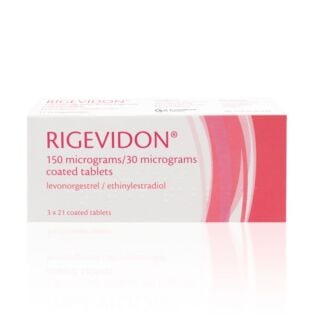
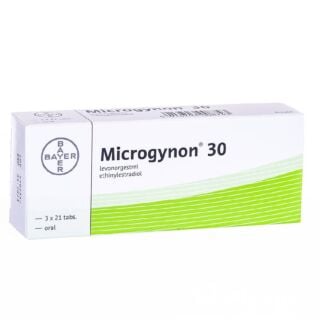
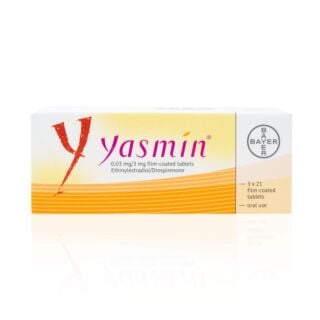
The combined pill contains both oestrogen and progestogen and is taken daily. You'll need to remember to take it at around the same time each day, as missing a pill can reduce its effectiveness.
As well as preventing pregnancy, it can help with period pain, premenstrual symptoms, and acne. When taken correctly (known as perfect use), it's over 99% effective, with fewer than one in every 100 people getting pregnant within a year. With typical use (for example, missing the odd pill), it’s around 91% effective.
The combined pill may not be suitable for smokers over 35, those with a BMI of 35 and above, or if you have certain health conditions. It also carries a slightly higher (but still very rare) risk of blood clots compared to the mini pill.
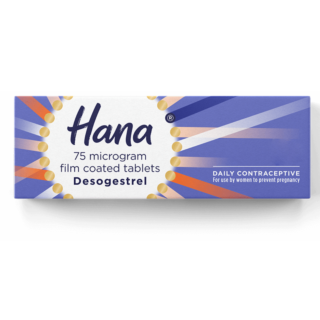
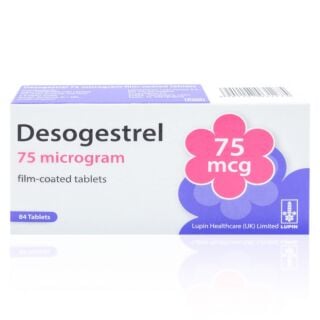
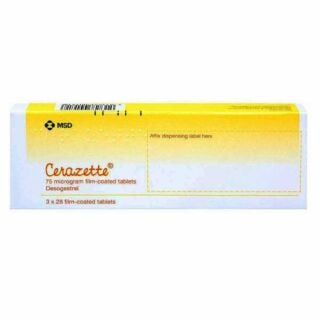
The mini pill contains only progestogen, making it a good option if you can't take oestrogen, are over 35 and smoke, you’re breastfeeding, or have a higher BMI. It needs to be taken within a specific window of time each day.
When taken correctly, it's over 99% effective, dropping to around 91% effective for typical use. However, it may not be the right choice if you're looking for control over your periods or you're prone to acne, as these can be side effects of the mini pill.
An IUS is a small T-shaped device fitted into the womb by a healthcare professional, where it releases progestogen. It can stay in place for three to eight years and often makes periods lighter and less painful. It's more than 99% effective at preventing pregnancy.
Contraceptive implant
A small plastic rod inserted under the skin of your upper arm, the implant releases progestogen and lasts for up to three years. Once it's in, there's nothing to remember. It's more than 99% effective at preventing pregnancy.
The contraceptive patch is a small, square plaster containing both oestrogen and progestogen that can be applied almost anywhere on your body. You wear each patch weekly for three weeks, followed by a patch-free week. You may experience a bleed during this time.
It may not be suitable if you think you might forget to change your patch. That said, when used correctly, it's more than 99% effective, or around 91% with typical use.
Vaginal ring
The vaginal ring is a small, soft plastic ring that’s inserted into the vagina for 21 days (three weeks) before being removed for seven days. It delivers oestrogen and progestogen and is over 99% effective with perfect use, and around 91% with typical use.
The contraceptive injection
The contraceptive injection contains progestogen and is given in your bum, lower stomach, or the front of your thigh. It lasts between eight to 13 weeks, requires no daily effort, and is more than 99% effective when used correctly, or around 94% with typical use (if you forget your next injection).
There are two types: Depo-Provera, which is administered by a doctor or nurse, and Sayana Press, which you learn to administer yourself at home.
Non-hormonal and barrier contraception methods
Non-hormonal contraception covers a range of methods that work without affecting your body's natural hormones.
“Barrier methods, like condoms, do this by physically preventing sperm from reaching an egg, while the IUD uses copper to stop sperm from fertilising an egg.
“These methods are a popular choice for people who want to avoid hormonal side effects or only need protection occasionally.
“Condoms are the only type of contraception that can protect you against STIs, making them a great option to use alongside other methods.”
Hanna Yusuf, Prescribing Pharmacist at Chemist4U
Male condom
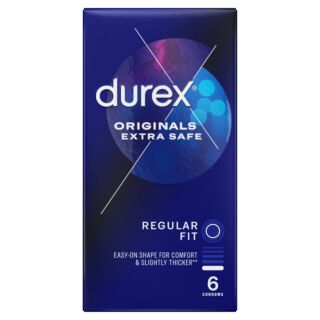
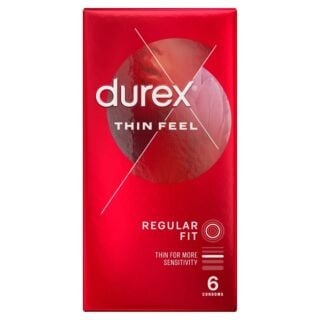
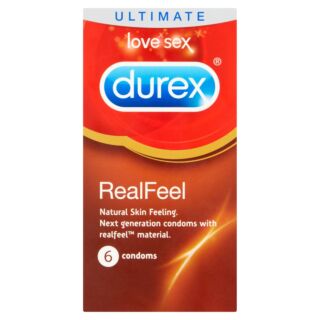
Worn over the penis during sex, male condoms are the most widely used barrier method and offer protection against STIs as well as pregnancy. They're up to 98% effective with perfect use, and around 82% with typical use.
An alternative to the male condom, internal condoms (or female condoms) are inserted inside the vagina and offer the same STI protection. They're up to 95% effective at preventing pregnancy with perfect use, and around 79% with typical use.
They're not as widely available as male condoms but can be found at sexual health clinics and some pharmacies.
Diaphragm or cap
A diaphragm or cap is a soft silicone or latex dome that’s inserted into the vagina before sex to cover the cervix. Caps are also smaller than diaphragms and you can leave them in for longer, which might be a better fit for some people.
They must always be used with spermicide (gel, foam, or cream that kills sperm) and left in place for at least six hours after sex. When used correctly with spermicide, it's 92% to 96% effective.
Remember, diaphragms and caps don’t prevent you from getting or spreading STIs. Always use a condom as well as your diaphragm or cap.
Intrauterine device (IUD) or copper coil
An IUD, or copper coil, is a small T-shaped device made of plastic and copper that's fitted into your womb by a doctor or nurse. It works by releasing copper into the womb, which makes it harder for sperm to reach an egg.
Once fitted, it can stay in place for five to ten years, depending on the type. The copper coil is over 99% effective at preventing pregnancy.
Natural contraception methods
There are a few different types of natural contraception.
“Fertility awareness methods, for example, involve tracking your menstrual cycle to identify when you're most likely to be fertile and avoiding unprotected sex during those times.
“Breastfeeding is also sometimes used as a natural method. However, the withdrawal method isn’t recommended as a reliable form of contraception.”
Hanna Yusuf, Prescribing Pharmacist at Chemist4U
Fertility awareness method
The fertility awareness method requires careful daily tracking and a good understanding of your cycle. This can include monitoring your basal body temperature, changes in cervical mucus, and cycle length to help identify your fertile window.
When followed precisely, it can be 91% to 99% effective, but with typical use the effectiveness can drop significantly, so consistency and accuracy really do matter.
It offers no protection against STIs and is best suited to people with regular cycles who've received proper training from a healthcare professional. Apps and charts can help with tracking, but they're not a substitute for proper medical guidance.
Lactational amenorrhoea method (LAM)
Breastfeeding your baby exclusively for up to six months can delay the return of ovulation, which can act as a natural form of contraception. This is known as the lactational amenorrhoea method (LAM).
When followed correctly, it's 99% effective at preventing pregnancy. However, if the instructions aren't followed exactly, this drops to 98%, and two in 100 women will get pregnant within six months of giving birth.
LAM is only considered reliable if you're fully breastfeeding, your periods haven't returned, and your baby is under six months old. If any of these conditions change, you'll need to use an additional method of contraception.
Withdrawal method
Pulling out the penis before ejaculation, sometimes called the withdrawal or ‘pull out’ method, isn’t an effective way to avoid pregnancy and isn't recommended. Pre-ejaculate fluid can still contain sperm, meaning the risk of pregnancy remains even if the method is used carefully. It also offers no protection against STIs.
Emergency contraception
“Emergency contraceptionis designed to prevent pregnancy after unprotected sex or if your method of contraception has failed (for example, a broken condom).
“It works by preventing or delaying ovulation, or stopping an egg from being released.”
The sooner you take either pill, the more effective it will be.
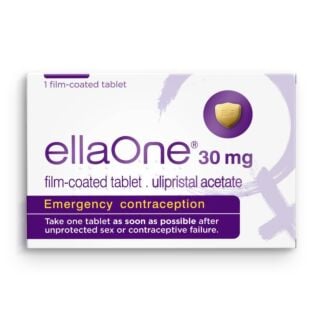
ellaOne can be taken up to five days (120 hours) after unprotected sex and is 98% to 99% effective if taken within 24 hours.
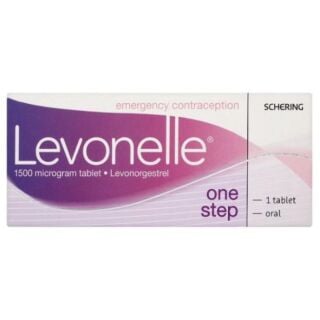
Levonelle can be taken up to three days (72 hours) after unprotected sex and is around 95% effective if taken within 24 hours, dropping to 85% between 25 and 48 hours, and 58% between 49 and 72 hours.
The copper coil can be fitted up to five days (120 hours) after unprotected sex or up to five days after ovulation, making it the most effective form of emergency contraception available, at over 99% effective.
Unlike the morning after pill, it can also be left in place and used as an ongoing method of contraception.
How to choose the right contraception for you
Everyone's situation is different, so here's a summary of the main methods of contraception to help you compare your options at a glance.
Method
Pros
Cons
Side effects
Typical use effectiveness
Combined pill
Helps period pain, PMS, acne Doesn’t interrupt sex
Must be taken daily Less effective with vomiting or diarrhoea
Headaches Nausea Mood changes Breast tenderness Spotting
91%
Mini pill
Suitable for smokers over 35 Doesn’t interrupt sex
Must be taken daily within a strict time window Less effective with vomiting or diarrhoea
Acne Changes to periods Breast tenderness Mood changes
If you're thinking about trying the contraceptive pill, you can speak to one of our clinicians about which option might suit you best.
Both the consultation and your contraceptive pill are completely free through the NHS Free Contraception Service. It's a simple and convenient way to explore your options from the comfort of home.
What types of contraception can't be used by smokers?
If you smoke and you're over 35, contraceptives containing oestrogen may not be suitable for you. This is because smoking already raises your risk of blood clots, stroke, and heart attacks, and oestrogen can increase that risk further.
What types of contraception can help with heavy or painful periods?
Several types of contraception can help manage heavy or painful periods, with them sometimes being prescribed for this reason alone. For painful periods, the combined pill, IUS, implant, and injection can all help.
For heavy periods, the mini pill can also be added to that list. The IUS is generally considered the most effective option for heavy periods specifically.
Only male condoms and internal (female) condoms protect against STIs. All other methods, including the pill, IUD, IUS, implant, and injection, don't offer any STI protection. Using a condom alongside another method is the safest approach.
How do weight loss injections affect contraception?
Some weight loss injections affect contraception. If you're using Mounjaro (tirzepatide), it can affect how well the contraceptive pill is absorbed, reducing its effectiveness. You should either switch to a non-oral method like the coil or implant, or use condoms.
This is especially important in the four weeks after starting Mounjaro and after any dose increase.
Fortunately, Wegovy (semaglutide) doesn't have the same effect. But if you experience vomiting or diarrhoea as a side effect, follow the missed pill guidance in your patient information leaflet and use a barrier method in the meantime.
Chemist 4 U uses cookies (and other techniques) to enhance your shopping experience.
Read more about our cookie policy, terms and conditions and privacy statement. By continuing on this site and accepting our cookies you agree to the collection of information on this basis by us and by third parties on the platform as well as direct email marketing. Please customise your cookie settings below.
Find out more about our data policies.