Exercise-Induced Asthma: Symptoms, Causes, and Treatment
Exercise-Induced Asthma: Symptoms, Causes, and Treatment
Exercise-induced asthma is a temporary narrowing of the airways triggered by physical activity. It causes coughing, wheezing, and shortness of breath.
It happens when fast breathing pulls cold, dry air into the lungs. Here's everything you need to know about what triggers it, how to know if you have it, and how to treat it.
Three key takeaways
It can be easily managed: Using a reliever inhaler 10-15 minutes before a workout prevents most symptoms, so you don’t have to stop exercising.
Peaks after resting: Symptoms often peak 5-10 minutes after exercise and ease within 30 minutes.
You don't need asthma to experience it: Exercise-induced bronchoconstriction (EIB) can affect anyone, even if you don't have everyday asthma.
What is exercise-induced asthma?
If you find yourself coughing, wheezing, or struggling for breath when you do physical activity, you might have exercise-induced asthma.
Exercise-induced asthma is a condition that you can only be diagnosed with if you have an existing asthma diagnosis. If you don't, but experience the above symptoms, you may instead be diagnosed with exercise-induced bronchoconstriction (EIB). While it may sound complicated, there's a simple difference between the two:
Exercise-induced asthma: You already have asthma, and exercising is one of the things that triggers your symptoms.
Exercise-induced bronchoconstriction (EIB): You don't have everyday asthma, and you only experience symptoms when you exercise.
What are the symptoms of exercise-induced asthma?
Symptoms usually start a few minutes after you start exercising, but they can also peak around 5-10 minutes after you finish your workout. The most common signs to look out for include:
Coughing: This is often the main symptom, especially a dry cough during or after activity.
Wheezing: A high-pitched whistling sound when you breathe out.
Shortness of breath: Feeling winded, out of breath, or like you can't get enough air into your lungs.
Chest tightness: A feeling of weight, pressure, or tightness across your chest.
Unusual fatigue: Feeling far more tired than you normally would during a workout.
For most people, these symptoms usually clear up within 20 to 30 minutes after resting.
What causes exercise-induced asthma?
Exercise-induced asthma happens when your airways react to changes in temperature, humidity, and air quality as you breathe harder during physical activity.
When you work out, your body needs more oxygen, so you breathe faster and often switch to breathing through your mouth. This brings air into your lungs before your nose has a chance to warm and filter it, causing the muscles around your airways to contract.
Common triggers and what may help
Trigger
Why it affects you
What may help
Cold, dry air
Cold air dries out your airways and makes the muscles around them tighten up.
Wear a scarf or buff over your mouth and nose when exercising outdoors in winter to warm the air before you breathe it in.
Pollen and pollution
Tiny bits of pollen or exhaust fumes can irritate your lungs and cause swelling.
Exercise indoors on high pollen or high pollution days, or plan outdoor workouts for early morning when pollen counts are usually lower.
Chlorine
Chemical fumes from pool water can irritate the lining of your lungs when you breathe them in deep.
Swim in well-ventilated or outdoor pools, rinse off after swimming, and use your reliever inhaler before you swim if recommended by your doctor.
Dust
Breathing in dust or dust mites can cause your airways to react and narrow.
Keep indoor exercise spaces clean and well-ventilated, or stick to outdoor activities away from busy roads.
Colds and chest infections
Having a cold leaves your lungs extra sensitive, meaning a workout can trigger symptoms much faster.
Give yourself time to rest and recover fully from a cold or chest infection before getting back into intense workouts.
How is exercise-induced asthma diagnosed?
It depends on whether you already have asthma. If you do, and exercise is one of your triggers, your doctor will look at how well your asthma is controlled. If your symptoms only happen when you exercise, you may be tested for exercise-induced bronchoconstriction (EIB) instead. Either way, your doctor will usually start by asking about your symptoms and when they tend to come on.
If you have asthma, or your symptoms also happen at other times
Exercise-induced asthma usually means asthma that's triggered by exercise. If you’ve already been diagnosed, wheezing or breathlessness during a workout is often a sign that your asthma isn’t as well controlled as it could be. Your doctor or asthma specialist may review your treatment and check that you're taking your inhaler properly.
If you haven’t been diagnosed yet, but you also get symptoms at night, with colds, or around other triggers, your doctor will use the standard asthma tests. You might not need all of these:
FeNO test: You breathe into a machine that measures nitric oxide in your breath. This shows how much inflammation there is in your airways.
Blood test: This checks your level of eosinophils, a type of white blood cell linked to asthma.
Spirometry with a reliever test: You blow into a machine before and after using a reliever inhaler to see if your breathing improves.
Peak flow test: You blow into a small handheld device (a peak flow meter) at home, usually twice a day for two weeks, to see how much your breathing changes.
If your symptoms only happen when you exercise
EIB is when your airways narrow during or shortly after exercise. It can happen to people who don’t have asthma and is common in athletes. Your lungs may work normally when you’re resting, so these tests check how your airways react to exertion:
Exercise challenge test: You do a spirometry test at rest, then exercise hard on a treadmill or exercise bike for 6-8 minutes. The test is repeated at set times afterwards, and a drop of 10% or more in how much air you can blow out suggests EIB.
Eucapnic voluntary hyperpnoea (EVH) test: You breathe dry air quickly and deeply for six minutes, which has a similar effect on your airways to hard exercise. It’s mainly used for athletes.
Mannitol challenge test: You breathe in increasing doses of a dry powder called mannitol to see whether your airways narrow.
These tests are usually done in a hospital or specialist clinic, so your GP may need to refer you.
How is exercise-induced asthma treated?
Usually, exercise-induced asthma can be managed easily, allowing you to stay active without breathing problems holding you back. Treatment focuses on quick symptom relief during workouts and long-term control to keep your lungs calm.
Using a reliever inhaler before exercise
Reliever inhalers (usually blue) contain fast-acting medicines called short-acting beta-2 agonists (SABAs), with the most common being salbutamol.
They work within minutes by relaxing the muscle bands around your airways, opening them up so you can breathe freely. Taking your reliever inhaler 10 to 15 minutes before starting physical activity can help to prevent exercise-induced symptoms altogether.
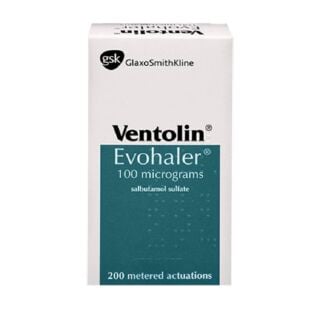
Ventolin Evohaler: A classic metered-dose inhaler (MDI) that releases salbutamol in a fine mist. It requires you to press the canister down while breathing in steadily.
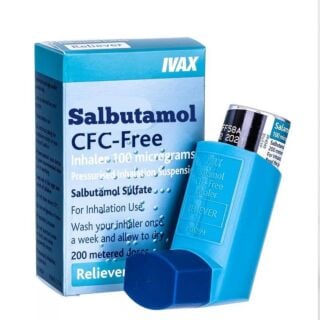
Salbutamol Inhaler (CFC free): The standard, cost-effective generic version of Ventolin. It works the exact same way to relieve symptoms quickly.
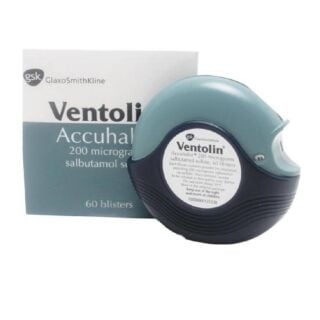
Ventolin Accuhaler: A round, dry-powder inhaler (DPI) containing salbutamol. It is activated by your breath rather than a push-button, making it ideal if you struggle with press-and-breathe timing.
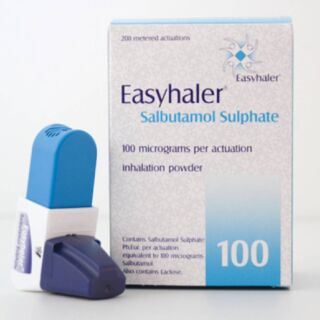
Salbutamol EasyHaler: Another breath-actuated dry powder inhaler that delivers a pre-measured dose of salbutamol when you take a deep, sharp breath in.
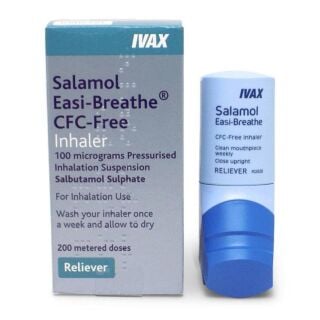
Salamol Easi-Breathe: A breath-actuated aerosol inhaler. It automatically sprays a dose of salbutamol the moment you inhale through the mouthpiece, removing the need to coordinate pressing and breathing.
"If you find yourself using your reliever inhaler more than three times a week for exercise or general symptoms, it's a key sign that your underlying asthma might not be fully controlled."
"If this is the case, you should contact your GP or asthma nurse so that they can review your main treatment plan."
While reliever inhalers give quick, short-term relief, they don't treat underlying airway inflammation. If you have an asthma diagnosis and physical activity often triggers your symptoms, your doctor may prescribe daily treatments to prevent flare-ups:
Preventer Inhalers: These contain mild steroids that you take every day to build up protection and reduce inflammation over time.
Leukotriene Receptor Antagonists (LTRAs): If you have more severe asthma, daily tablets (like montelukast) block the chemical signals in your body that cause swelling in your airways, which can be particularly helpful for exercise triggers.
Maintenance and reliever therapy (MART): Where you use a combination inhaler that contains both a steroid preventer and formoterol, a fast-acting reliever, so one device does both jobs. You use it every day to keep inflammation down, and you can take extra puffs when symptoms flare up or before exercise as well. You won’t need to carry a separate blue inhaler.
What to do if symptoms start while you're exercising
If you get a sudden bout of coughing, wheezing, or tightness while working out, follow these steps:
Stop and rest: Stop the physical activity immediately, sit up straight, and try to stay calm.
Use your reliever: Take 1 to 2 puffs of your reliever inhaler right away (using a spacer if you have one).
Wait a few minutes: Give the medicine a few minutes to relax your airways before deciding whether to continue.
Seek emergency help if needed: If your symptoms don't improve, get worse, or you struggle to speak, follow NHS emergency advice and call 999 immediately.
How to exercise with asthma
Having asthma shouldn't stop you from staying active or enjoying exercise. In fact, regular exercise improves your lung capacity, strengthens your muscles and bones, and helps you build general lung stamina.
If you suffer from exercise-induced asthma, a few simple habits can help to keep your airways open and reduce your risk of a flare-up:
Always warm up and cool down: Spend 10 to 15 minutes doing light aerobic movements and gentle stretches before and after your main workout. This helps your lungs to adapt gradually to changes in breathing rate and air temperature.
Breathe through your nose: Try to inhale through your nose rather than your mouth as much as possible. Your nasal passages warm up and humidify the air before it reaches your lungs.
Cover your mouth in cold weather: If you're exercising outdoors in winter, wear a scarf or buff over your mouth and nose to trap heat and moisture.
Keep an eye on air quality: On days with high pollen or heavy pollution, consider moving your workout indoors to a well-ventilated space.
Always carry your reliever: Never leave home for a workout without your reliever inhaler.
How Chemist4U can help with exercise-induced asthma
Managing your asthma shouldn't feel like a chore. At Chemist4U, we make getting your essential reliever inhalers simple and hassle-free.
If you already have a prescription for a salbutamol reliever inhaler to help manage your exercise symptoms, our online clinic allows you to order your repeat treatment directly from home.
Once approved, your inhaler is dispensed and delivered straight to your door.
Frequently asked questions about exercise-induced asthma
Can you exercise if you have asthma?
Yes, having asthma shouldn't hold you back from playing sports or staying fit. In fact, regular exercise strengthens your lungs, builds stamina, and improves your overall health.
As long as your asthma is well managed and you carry your reliever inhaler with you, staying active is safe and highly recommended.
How long does exercise-induced asthma last?
Symptoms typically start a few minutes into physical activity and peak around 5-10 minutes after you stop exercising. With rest and a few puffs of a reliever inhaler, symptoms usually clear up within 20-30 minutes.
Can you get exercise-induced asthma if you don't have asthma?
You can experience airway narrowing during exercise even if you don't have underlying, everyday asthma, but this is different to exercise-induced asthma. Doctors call this exercise-induced bronchoconstriction (EIB). The symptoms (coughing, wheezing, and shortness of breath) feel very similar, but they only happen during or right after physical activity.
Can you buy a reliever inhaler online?
Yes, you can request a blue reliever inhaler online from registered UK pharmacies like Chemist4U.
Because salbutamol is a prescription-only medication in the UK, you will need to complete an online consultation so that a qualified prescriber can check that the treatment is safe and suitable for you before it's dispensed.
Sources
Asthma (2026). NHS England. [Accessed 30th October 2026]
Chemist 4 U uses cookies (and other techniques) to enhance your shopping experience.
Read more about our cookie policy, terms and conditions and privacy statement. By continuing on this site and accepting our cookies you agree to the collection of information on this basis by us and by third parties on the platform as well as direct email marketing. Please customise your cookie settings below.
Find out more about our data policies.