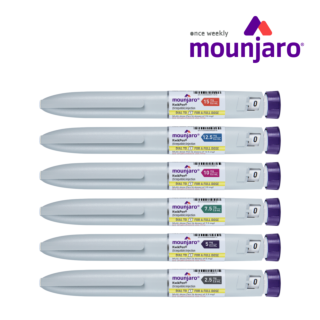
If you’re taking weight loss injections like Wegovy or Mounjaro, you’re probably wondering what you can expect when it’s time to increase your dose.
All weight loss medications are prescribed at a low dose to start with. You’ll then gradually increase your dose, but only when you and your clinician both agree you’re ready.
This process is called titration, and it’s done to give your body time to get used to the medication, and to see if and how you’ll experience any side effects.
Here, we’ll guide you through everything you need to know about titrating up to the higher doses. That includes how to administer your new dose, when to increase your dose, and tips to manage your transition.
Three key takeaways
Anyone taking weight loss injectionsmust start at a low dose and gradually increase over time for safety reasons.
Most people see better weight loss results on the higher doses, but there’s no need to titrate up to the highest dose if you don’t want to.
Side effects usually appear, reappear, or worsen in the first few days after titrating up.
How to use your new dose
When using your new dose, you’ll still inject once a week, on the same day, at the same time, using the same type of injection pen. So, you won’t need to change anything about how you administer your medication.
The only exception to this is if you’re on Wegovy 7.2mg. If you are, you'll need to administer three 2.4mg injections at once, once a week. However, a single-injection form of Wegovy 7.2mg is currently in the works and should be available from the manufacturer later this year.
When’s the best time to change your dose?
"Regardless of what weight loss injection you’re taking, the minimum period between dose increases is four weeks.
"Side effects are most common when starting treatment or titrating up. So, this four-week gap is done for safety reasons, to help make side effects as manageable as possible.
"Because of this, the best time to titrate up is when your calendar allows you to slow down a little bit and concentrate on self-care."
For a lot of people, the most practical time to increase their dose is determined by their calendar and their plans. Try to titrate up when you:
have booked time off work, or can work from home if you experience side effects
don’t have any important events in your social calendar
don’t have to travel
are somewhere you can easily get a hold of any home remedies or side effects treatments you may need (if you’re on holiday, for example, some medications, foods, and drinks can be easier to find in some countries and areas than others)
How long does it take to adjust to a new dose?
For most people, Mounjaro or Wegovy side effects caused by a dose increase typically go away on their own without treatment in a few days.
If your side effects last more than a few days or are becoming difficult to manage comfortably, talk to your prescriber. Our pharmacy team is always here to offer support and guidance.
What are the benefits of increasing your dose?
The main benefits of increasing your dose strength are even greater appetite reduction and improved weight loss.
Generally, people will lose more weight at higher doses.
This is because they’ll be eating less due to more appetite suppression and will experience fewer cravings. The more you increase your dose, the more likely you are to start:
You may notice several changes when titrating up, including:
Your relationship to food
It’s perfectly natural for your relationship with food to change when taking weight loss medications.
This is because weight loss medications help suppress hunger signals by telling hormone receptors in your brain that you’re full. They also delay how quickly food leaves your stomach, which helps you feel fuller for longer.
It’s quite common, then, for people to find that their appetite reduces a little more each time they titrate up. This is why dose strengths are increased, so you feel the benefits of the medication more and more over time, while comfortably managing any side effects.
Expected weight loss
How much weight you can expect to lose as you increase your dose will vary for each person, depending on factors like:
your age
your biological sex
your starting weight
your level of physical activity
your diet
any other health conditions you have
hormones
However, despite these variables, research shows that weight loss injections are very effective, especially at higher doses.
Research into Mounjaro showed similar effectiveness. In one trial, people taking the medication lost on average 22.5% of their starting weight after 72 weeks.
Temporary side effects
Like any medication, weight loss injections come with potential side effects. And at higher doses, you’re more likely to see these side effects appear, reappear, or worsen in the first few days of treatment.
Because they work on your digestive system, the most common side effects of weight loss medications are related to digestion. These include:
The reassuring news is that these side effects are typically short-lived and tend to go away on their own without the need for treatment after a few days.
4 tips for managing dose transitions
To make your transition to a higher dose as gentle and comfortable as possible, try to:
1. Stick to your eating plan
Eating balanced, nutritious meals focusing on nutrient-dense whole foods, lean proteins, and lots of fibre will help keep you feeling full, balance your blood sugar, and drive away cravings for sugary sweets.
Focusing on protein will help you prevent muscle loss during treatment. Muscle burns more calories than body fat does, even when you’re not moving, so preserving it is essential for weight loss.
You should ideally aim to eat at least 0.8g of protein per kilogram of bodyweight every day.
2. Keep it moving!
Along with diet, physical activity is one of the foundations of your weight loss treatment plan.
Gentle-to-moderate exercise, like walking, swimming, and cycling, will:
improve your sleep
keep you energised
improve your digestion
help control your blood sugar
lower blood pressure
All of the above help improve your sense of wellbeing throughout the day, helping to make your dose transition as seamless as possible.
3. Plan around your calendar
If you have a big occasion in your life coming up, whether that’s a project at work, a family holiday, or a night out, you’ll want to ensure you’re feeling your best to make the most of that time.
Similarly, if you do find yourself experiencing side effects, you’ll probably want to be able to stick to familiar surroundings, like your home, where you’ll have everything you need on hand to deal with any symptoms and make yourself comfortable.
It’s also a good idea to make sure you have easy access to bathroom facilities if you’re dealing with diarrhoea or constipation.
So, try to schedule dose increases when you have some downtime you can spend at home, rather than travelling or working.
4. Stock up on supplies
If moving feels uncomfortable due to side effects like bloating or constipation, or you need to take medication to relieve your side effects fast, the last thing you want to do is dash to the shops for supplies.
Try to stock up ahead of time on titration-friendly things like:
Medication
You can buy over-the-counter remedies for common side effects like:
diarrhoea
constipation
heartburn
headaches
Electrolytes
Diarrhoea and constipation can lead to dehydration through lost bodily fluids.
Water follows electrolytes in the body, so taking these will help you replenish the body’s water supplies and rehydrate safely.
When to speak to a doctor
You should speak to a doctor if you have any side effects that don’t go away on their own within a few days of changing doses, or if you have symptoms of rare, serious side effects like:
Gallbladder issues: severe, persistent pain in the abdomen that can move to the shoulder or back, fever, chills, vomiting, yellowed whites of the eyes.
Inflamed pancreas: sudden, severe abdominal pain that may move to the back, nausea, vomiting, abdominal bloating and tenderness, fast heartbeat.
Severe allergic reaction: swelling of the face, tongue, mouth, lips, throat, trouble breathing, severe rashes.
If you have any of the side effects above, call 999 or go to A&E immediately.
When to stop increasing your dose
Deciding when to stop increasing your dose is a discussion for you and your prescriber. You don’t have to move up to the highest dose if you don’t want to.
Some people prefer to stay at lower doses. This might be because they’re already achieving their desired weight loss results, or because they can better tolerate side effects at a lower dose.
Weight loss maintenance is all about confidence and control. By the time you’ve reached this point, you’ll know what works for you and how to make adjustments to stay on track and sustain your progress.
Can you switch to a lower dose?
Yes, absolutely. If you want to drop down to a lower dose, either because you were losing enough weight at a lower dose or you find side effects more difficult to manage at higher doses, we’re here to help.
Talk to your prescriber. They can help you decide on the most suitable dose for you.
How our expert clinicians can help
Our clinicians work with you every step of the way to make your weight loss journey as safe, comfortable, and effective as possible.
As well as an initial consultation, our expert clinicians also provide:
information and guidance on every aspect of weight loss, from determining your calorie needs to meal plans and exercise tips
Support, advice and answers to any questions you have during treatment
Do you lose more weight on higher doses of GLP-1s?
Yes, most people tend to lose more weight as they increase their dose over time, particularly from weeks 5-8 onwards, as your body becomes used to the medicine and metabolic changes begin to occur as your appetite reduces further.
Does increasing your dose make you tired?
Fatigue can be a side effect of weight loss medications. However, this typically goes away within a few days of changing doses. In the long term, the healthy habits you build as part of your journey will make you feel more energised.
Chemist 4 U uses cookies (and other techniques) to enhance your shopping experience.
Read more about our cookie policy, terms and conditions and privacy statement. By continuing on this site and accepting our cookies you agree to the collection of information on this basis by us and by third parties on the platform as well as direct email marketing. Please customise your cookie settings below.
Find out more about our data policies.