Stress is a normal part of life. But when it becomes constant, it can significantly affect both your physical and emotional health. Weight changes are one way the body can respond to prolonged stress, although this doesn't happen in the same way for everyone.
Stress can affect your weight by influencing your appetite, hormones, sleep, and daily habits. This means some people may lose weight without intending to, while others find they gain weight more easily over time.
In this guide, we explain how stress can lead to both weight loss and weight gain, why these changes happen, and what you can do to manage stress in a way that supports your long-term health.
Three key takeaways
Stress can lead to both weight loss and weight gain, depending on how your body and habits respond.
Hormones like cortisol and adrenaline influence appetite, cravings, and fat storage.
Managing stress consistently can help support a healthier weight and overall well-being.
Can stress cause weight loss?
“Yes, stress can cause weight loss, particularly in the short term, by reducing your appetite and affecting your eating habits. This is often linked to the body’s immediate response to stress.
“When you feel stressed, your body activates what is often called the ‘fight or flight’ response. This releases hormones like adrenaline, which can temporarily suppress hunger. At the same time, some people may feel anxious or distracted, making eating regularly more difficult.
“In practical terms, this might look like eating smaller portions, skipping meals, or losing interest in food altogether. Digestive changes, like nausea or stomach discomfort, can also play a role.
“Over time, these patterns may lead to gradual weight loss, particularly if stress continues without interruption.”
What are the symptoms of stress-based weight loss?
Stress-related weight loss is not always obvious at first. Instead, it often develops gradually alongside other symptoms.
You may notice:
reduced appetite or lack of interest in food
missed meals or irregular eating patterns
ongoing fatigue or low energy
difficulty concentrating
digestive discomfort
disrupted sleep or insomnia
If weight loss becomes significant or continues without a clear reason, it's important to speak to a healthcare professional.
Can stress cause weight gain?
Yes, stress can also lead to weight gain, particularly when it becomes long-term or chronic. This tends to happen through a combination of hormonal changes and shifts in behaviour.
One of the key hormones involved is cortisol. When stress levels remain elevated, cortisol levels may stay higher than usual. This can increase your appetite and lead to stronger cravings, particularly for foods that are high in sugar or fat.
At the same time, stress often affects daily routines. People may feel more tired, sleep less, or have less motivation to cook or exercise. Over time, these small changes can add up.
Rather than happening suddenly, stress-related weight gain is usually gradual. It often reflects patterns that develop over weeks or months rather than days.
What are the symptoms of stress-based weight gain?
The signs of stress-related weight gain are often linked to changes in habits as well as physical changes.
For example, you might notice:
increased cravings, especially for comfort foods
emotional eating when feeling stressed rather than physically hungry
reduced physical activity
poor or inconsistent sleep
a gradual increase in weight
Recognising these patterns can be helpful, as it allows you to understand what might be driving the changes.
Stress doesn't affect everyone’s weight in the same way because the body’s response to stress varies from person to person. Some people naturally eat less, while others feel an increased urge to eat.
These differences are influenced by a combination of factors, including:
individual hormone responses
existing eating habits
emotional coping strategies
sleep quality
daily activity levels
For example, someone who tends to lose their appetite under pressure may experience weight loss, while someone who uses food for comfort may experience weight gain.
Understanding your own response is often the first step in managing these changes more effectively.
5 tips for managing stress on your weight loss journey
“Managing stress can help stabilise your eating patterns, support hormone balance, and improve your overall wellbeing. Rather than focusing on quick fixes, it's often more helpful to build small, consistent habits.”
One of the simplest ways to support your weight during periods of stress is to keep your eating patterns consistent.
This might mean setting regular mealtimes, even if you don't feel particularly hungry. By eating balanced meals containing protein, fibre, and carbohydrates, you can help maintain steady energy levels throughout the day.
When eating becomes irregular, it can make both undereating and overeating more likely. A structured routine helps reduce this risk.
2. Stay active in a way that feels manageable
Physical activity can help reduce stress and support mental well-being, but it doesn't need to be intense.
For many people, simple forms of movement are enough to make a difference. Walking, stretching, or gentle exercise can help regulate stress hormones and improve mood.
The key is consistency rather than intensity. Even short periods of movement can be beneficial when done regularly.
For more help, read our guide on getting into the exercise mindset.
3. Prioritise sleep
“Sleep and stress are closely connected. When sleep is disrupted, it can make stress feel more intense and harder to manage.
“At the same time, poor sleep can affect appetite-regulating hormones, which may increase hunger and cravings.
“Creating a consistent sleep routine, limiting screen time before bed, and allowing time to unwind in the evening can all support better sleep.
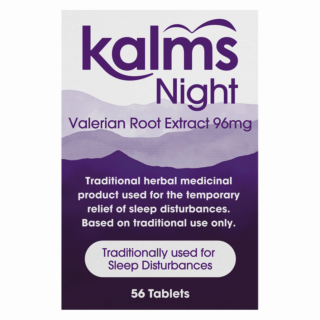
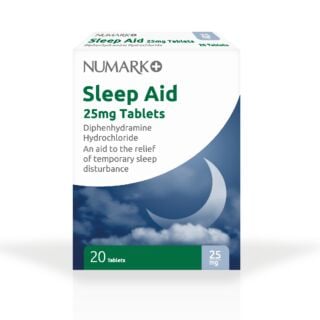
“If you’re still struggling, Chemist4U also offers a range of sleep aids to help you have a restful night.”
Stress is not only physical – it also affects how you think and feel. Finding ways to manage emotional stress can help reduce its impact on your habits.
This doesn't need to be complicated. Many people benefit from simple activities like:
spending time outdoors
practising breathing exercises
writing down thoughts or worries
talking to someone they trust
5. Focus on sustainable habits
It can be tempting to try to make large changes quickly, especially if your weight has changed. However, long-term success usually comes from gradual, realistic adjustments.
Focusing on habits that you can maintain over time is more effective than aiming for short-term results. This approach supports both your physical and mental well-being.
When should you seek medical advice ?
You should seek medical advice if stress is having a significant impact on your weight, appetite, or overall health.
It may be helpful to speak to a healthcare professional if you notice:
rapid or unexplained weight loss
ongoing weight gain is affecting your health
persistent fatigue or low mood
difficulty sleeping that doesn't improve
challenges managing stress day to day
Getting support early can help identify underlying causes and provide appropriate guidance.
How Chemist4U can help
If your weight is causing you stress or affecting your well‑being, you don’t have to navigate it on your own.
Frequently asked questions about weight and stress
What are the seven warning signs of stress?
Common signs of stress include irritability, difficulty sleeping, fatigue, headaches, muscle tension, changes in appetite, and difficulty concentrating.
What hobbies can reduce stress?
Activities that help you relax and focus can reduce stress. This may include walking, reading, creative hobbies, yoga, or spending time outdoors.
Chemist 4 U uses cookies (and other techniques) to enhance your shopping experience.
Read more about our cookie policy, terms and conditions and privacy statement. By continuing on this site and accepting our cookies you agree to the collection of information on this basis by us and by third parties on the platform as well as direct email marketing. Please customise your cookie settings below.
Find out more about our data policies.