Understanding how HIV is transmitted is one of the most effective ways to protect yourself and the people you care about.
Below, we break down exactly how it’s spread, what factors increase your risk, and the practical steps you can take to protect yourself from HIV.
Three key takeaways
You can't catch HIV from everyday contact. Kissing, hugging, and shaking hands can’t transmit HIV. The virus is only spread through specific bodily fluids like blood, semen and vaginal or rectal fluids
Undetectable means untransmittable. If someone living with HIV takes antiretroviral therapy (ART) and their viral load becomes undetectable, they can't pass the virus on.
PrEP and PEP are powerful tools.PrEP is 99% effective at preventing HIV, and PEP gives you a high chance of stopping the infection if taken in time.
What is HIV?
HIV (human immunodeficiency virus) is a virus that weakens your immune system. It does this by lowering the number of white blood cells in your body that can respond to sickness, which increases your risk of developing serious illnesses.
When left untreated, HIV can turn into AIDS (acquired immune deficiency syndrome), which is life-threatening and currently incurable.
To understand more about the stages of HIV, ways to prevent it and how it’s diagnosed, you can read our expert guide.
How do you catch HIV?
HIV is passed on by certain body fluids:
coming into contact with damaged tissue or
being injected in your bloodstream from a syringe or needle
Not every bodily fluid from someone with HIV can transmit HIV. Those that do are capable of having high concentrations of the virus, including:
semen
blood
pre-seminal fluid (pre-cum)
vaginal or rectal fluids
breast milk
You cannot get HIV from kissing, hugging, shaking hands or any other general social contact. However, you can get HIV from:
During sex, either partner can contract HIV. However, the person who is having receptive vaginal or anal sex is generally at a higher risk of infection.
While female-to-male transmissions can occur, it’s estimated that the risk of a woman contracting HIV during heterosexual sex is twice as high compared to men.
Vaginal and anal sex without a condom is the most common way that HIV is spread. The only difference between the two is where the virus enters your body.
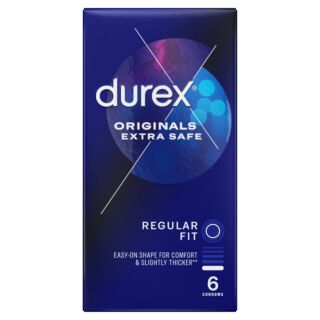
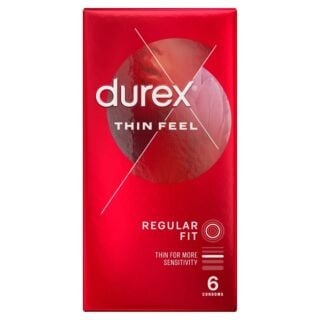
However, using a condom correctly (avoiding oil-based lubricants) can prevent HIV from being passed on through any form of sex. This is because the virus cannot pass through the latex of the condom.
When having vaginal sex, the virus can enter your body through vaginal fluids, semen and pre-cum coming into contact with:
the tissue that lines the vagina and cervix
the tip of the penis, foreskin and any cuts or sores
Anal sex
Both partners can contract HIV during anal sex. The insertive partner in anal sex is at a risk of infection due to the high levels of HIV in rectal secretions. This can be transmitted through the tissue in the urethra and on the head of the penis.
However, the receptive partner is up to ten to twelve times more likely to contract HIV from condomless anal sex. This is because semen and pre-cum can both transfer HIV, while rectal tissue is delicate and easily damaged.
Much of the research surrounding HIV transmission by anal sex has focused on two male partners. Yet while anal sex between men and women has not received as much attention, unprotected heterosexual anal sex is still a high-risk way of transmitting HIV.
Another factor that can raise the risk of infection in anal sex is rectal bleeding. Blood can carry high concentrations of HIV, so any rectal bleeding during anal sex increases the risk of transmission. It can be caused by:
certain STIs like anal warts
prior use of sex toys
fingering and fisting
How is HIV transmitted through sharing needles?
“Needles can transmit small amounts of blood from person to person, even if no blood is visible on the syringe. As blood can transfer HIV, not cleaning or sharing needles can spread HIV.
“As well as this, you’re more likely to also contract hepatitis B and hepatitis C by sharing drug injection equipment.”
While unprotected sex is the most common way that HIV is spread, it’s not the only way. Other ways it can be transmitted include:
Pregnancy and breastfeeding
In the UK, the risk of HIV transmission during pregnancy, birth and breastfeeding has been reduced to below 1%.
However, this is only the case if:
you’re on effective HIV treatment while pregnant.
you opt for a caesarean delivery
your baby is given a course of HIV treatment for the first few weeks
you’re not breastfeeding
If you’re planning for a baby while HIV positive, or you just want to know more, the Terrence Higgins Trust has a detailed guide on preventing vertical transmission.
Oral sex
While HIV can be transmitted from oral sex, it’s less common. In fact, one review estimates it to be at a 0.04% chance per sexual act (or one in 2500). This makes it approximately 20 times lower than the estimated risk for receptive anal sex.
Things that increase the risk of HIV transmission through oral sex include:
having open sores in the mouth or on the genitals
bleeding gums
What increases the risk of getting HIV?
Several factors can influence your likelihood of contracting HIV. Understanding these risk factors is an important step in protecting yourself and others.
Viral load
Viral load is used to describe how much of a virus is present in someone’s blood. The higher someone’s viral load, the higher their chances of transmitting HIV.
If you’re HIV positive, taking antiretroviral therapy (ART) can suppress your viral load to the point it is undetectable. And once it’s undetectable, it’s untransmittable, meaning it can’t be spread.
Multiple exposures
If you’re having unprotected sex with someone who you know is HIV-positive multiple times, you are increasing the risk of contracting HIV. The odds increase further if having multiple sexual partners who may be HIV-positive.
Having an STI
If you’ve got certain STIs, like genital ulcers or anal warts, then you're more likely to transmit HIV. This is due to the risk of blood and damaged tissue.
People unaware that they have HIV
It’s estimated that over 5,000 people in the UK don’t know that they have HIV. Because of this, these people are more likely to not take as many precautions when having sex.
What can you do to reduce risk of transmission
There are a few things that can let you to have sex without worry, whether it’s medication, testing or being more mindful around sex.
Practice safe sex
Barrier protection, like condoms, can completely prevent transmission if used properly.
However, practicing safe sex can also look like:
not having sex while intoxicated (drunk/high)
discussing HIV with your partner before engaging in sexual activity
getting frequent STI tests
HIV self-tests
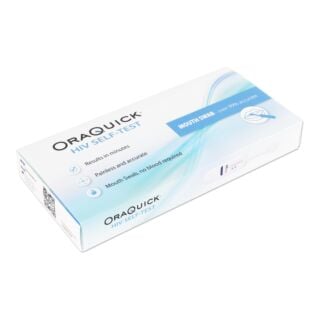
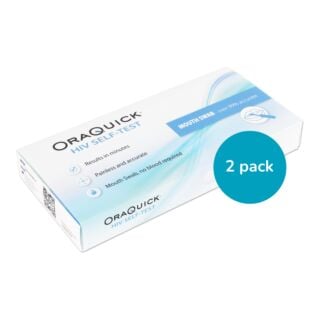
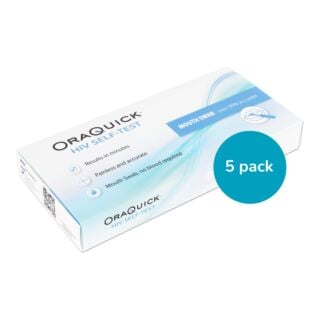
If you believe you’re at a high risk of infection, keeping HIV self-tests to hand is a practical way to reduce your risk.
You can buy mouth swabs that can give you a result within 20-30 minutes. If you ever test positive, you should follow up with a healthcare professional to confirm the results.
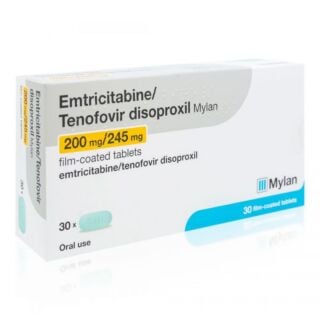
PrEP (pre-exposure prophylaxis) is medication taken to prevent HIV, with an effectiveness of 99% when used properly.
If you’re HIV negative and taking PrEP, you will be protected from HIV even if you’re exposed to HIV. However, PrEP will not protect you from other sexually transmitted diseases.
It should be treated as a last resort preventative measure, and should not be taken if you’re HIV positive.
If you think that you’ve already potentially been exposed to HIV, then you should contact a sexual health clinic as soon as possible (ideally within 24 hours).
Frequently asked questions about how HIV is transmitted
How are you most likely to get HIV?
HIV is most often spread by having sex (vaginal, anal or oral) with someone who has HIV, while not using a condom.
Can you still have sex with HIV?
If you’re HIV-positive then you can still have safe sex as long as your taking antiretroviral therapy, and you have an undetectable viral load. To be safer, you should use a barrier protection, such as a condom, as the virus can’t pass through the latex.
Chemist 4 U uses cookies (and other techniques) to enhance your shopping experience.
Read more about our cookie policy, terms and conditions and privacy statement. By continuing on this site and accepting our cookies you agree to the collection of information on this basis by us and by third parties on the platform as well as direct email marketing. Please customise your cookie settings below.
Find out more about our data policies.