HIV symptoms don't always show up straight away, and they can vary from person to person. So, it's important to know what to look out for. Spotting the early signs can help you take the right steps at the right time.
We cover the key symptoms of HIV, how they can differ between men and women, and what to do if you're concerned.
Three key takeaways
Early HIV symptoms can look a lot like the flu. A sore throat, high temperature, swollen glands, and fatigue can all appear 2-6 weeks after infection.
HIV can be asymptomatic for years. Many people won’t notice any symptoms at all, which is why regular testing is so important.
Symptoms alone aren't enough to confirm or rule out HIV. The only reliable way to know your status is through testing, so if you're concerned, speak to a clinician or use a HIV self-test as soon as you can.
What is HIV?
HIV (human immunodeficiency virus) is a viral infection that damages certain white blood cells in your immune system, making you more susceptible to serious illness.
If left untreated, HIV can become late-stage HIV, which is also know as Stage 3 HIV, Advanced HIV or AIDS.
The earliest sign of HIV might be a short illness after you’ve been exposed to the virus – but this doesn’t always happen. This period after initial infection is when someone with HIV is at their most infectious.
Symptoms of HIV
HIV symptoms differ from person to person and are often not specific to just HIV. Roughly 2-6 weeks after the initial infection, some people may experience a short, flu-like illness, while others may not feel anything at all.
Symptoms of this illness can include:
a sore throat
a high temperature
swollen glands
muscle aches and tiredness
a skin rash
Importantly, just because you have these symptoms does not mean that you are infected with HIV.
That’s why it’s so important to get tested and take post-exposure prophylaxis (PEP) tablets if you think you’ve been exposed. When HIV isn’t treated, it damages your immune system and may eventually cause more serious illnesses.
Symptoms of HIV in women
Many women will not show any symptoms in the chronic, or second stage of HIV . This is a stage that can last up to 10 years if not treated, and is where the virus reproduces at low levels. It’s still possible to transmit HIV during this stage.
Some women may experience symptoms in this stage , which can include:
unusual weight loss
diarrhoea
fever
ulcers in your mouth or stomach
recurrent thrush, or bacterial vaginosis (BV) infections
HIV in women can also cause changes to your menstrual cycle, potentially making bleeding lighter or heavier during your period. Additionally, it can make premenstrual symptoms and menopause symptoms more severe.
What to do if you think you’ve been exposed to HIV
"If you think you've been exposed to HIV, the quicker you're able to act the better. Contacting a sexual health clinic should be step one, as they'll be able to carry out a rapid HIV test. Additionally, they may be able to offer you PEP if you're still within 72 hours (three days) of the possible exposure.
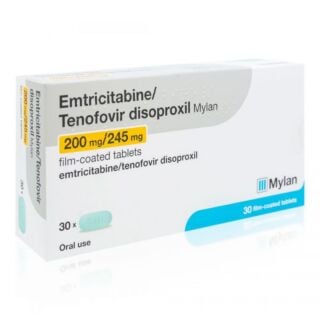
"PEP is a 28-day course of antiretroviral medication that, when taken properly, gives you a high chance of preventing HIV infection.Missing doses or stopping early can reduce its effectiveness, so make sure you use PEP exactly as prescribed for the full 28 days.
"Your clinician will talk you through how to take it and any potential side effects to be aware of."
Ian Budd, Prescribing Pharmacist
What to do if you have HIV symptoms
If you're concerned that you may be infected with HIV, the most important thing you can do is take action. Whether you've noticed symptoms or have been in a higher-risk situation, you should:
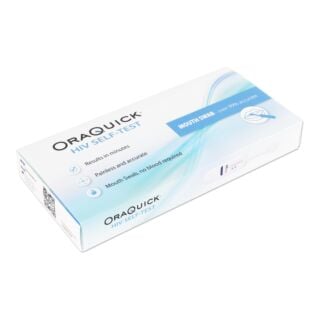
Test yourself as soon as you can. It’s a good idea to keep a supply of HIV self-tests at home. If you don’t, you can get one delivered next day from online pharmacies like Chemist4U.
Visit a sexual health clinic. Regardless of your self-test result, you should get out and see a clinician to have the result confirmed. They will be able to support you with further testing and your future options.
Get the right treatment. If you have a positive result, your clinician may want to start you on HIV treatment straight away. If it’s negative, they may discuss the use of PrEP to protect you in the future.
When can HIV be detected?
HIV can be detected in some people within a few weeks of exposure but may take longer for others.
If you’re getting a test from a sexual health clinic (sometimes referred to as a fourth generation HIV test), these can detect infection from two weeks after exposure, with a high degree of accuracy. It’s advised you then get follow-up test at some point 45 to 90 days after exposure for total certainty.
If you’re testing at home with a self-test kit (sometimes referred to as a third generation HIV test), then accurate detection is possible 90 days after exposure.
This is because your body needs time to produce the antibodies that self-test HIV kits look for. During this time, you may have the virus but not yet test positive. That's why a single negative result shortly after exposure isn't enough to rule out infection, and follow-up testing is so important.
Where to get a test
There are a number of ways to get tested for HIV, so you can choose the option that feels most comfortable for you.
Self-testing at home is a quick, private, and convenient option. HIV self-test kits are widely available, and they give you a result in just a few minutes. They're a great first step, especially if you'd prefer to test in your own space and in your own time. You can get a HIV-self test kit delivered to your door from Chemist4U.
Sexual health clinics (also known as GUM clinics) offer free and confidential HIV testing. Clinic staff are experienced, non-judgmental, and can offer additional support and advice based on your result. Many clinics also offer walk-in appointments, so you don't always need to book ahead.
What to do if your test is positive
If you've received a positive result, try not to panic. A positive result means that HIV antibodies have been detected, and you should visit a clinician to have the result confirmed with a further test. They’ll also be able to support you on the next steps.
Getting a confirmed diagnosis means you can begin treatment as soon as possible. Modern HIV treatment, called antiretroviral therapy (ART), is highly effective and allows most people living with HIV to lead long, healthy lives.
With the right treatment, it's possible to reduce the level of HIV in your body to undetectable levels, which means it cannot be passed on to others. This is often referred to as ‘undetectable = untransmittable’.
What to do if your test is negative
If you've received a negative result at home, it's always a good idea to visit a clinician to have the result confirmed, just to make sure everything is as it should be.
You should then redo the test after 12 weeks. This is because your body may not have made antibodies, the thing being tested for, up until that point.
Even with a confirmed negative result, it's worth thinking about how to protect yourself going forward. Options like PrEP (pre-exposure prophylaxis) exist to give you ongoing protection from HIV. It’s 99% effective at preventing HIV when taken daily and as instructed, giving you back your sexual freedom.
We can help you skip waiting lists for access to PrEP. Simply complete a short consultation, and we’ll have your treatment delivered to you quickly and discreetly.
If you’re concerned that you have HIV, but you’re not presenting any symptoms, then it’s best practice to go and get checked before having sex again. HIV can be asymptomatic for quite a while, so just because you feel fine, doesn’t mean that you’re in the clear.
Do symptoms differ between men and women?
Symptoms tend to be similar across both men and women. However, women with HIV are more likely to be at a higher risk of recurrent vaginal yeast infections, infections like bacterial vaginosis and human papillomavirus (HPV).
Chemist 4 U uses cookies (and other techniques) to enhance your shopping experience.
Read more about our cookie policy, terms and conditions and privacy statement. By continuing on this site and accepting our cookies you agree to the collection of information on this basis by us and by third parties on the platform as well as direct email marketing. Please customise your cookie settings below.
Find out more about our data policies.