Getting a runny nose around your dog or sneezing when you meet a friend’s cat is extremely common. But having to avoid pets can be really frustrating.
The good news is that dog and cat allergies are usually mild, and extremely easy to manage.
We’ll look at how allergy treatments can help and identify some simple steps to minimise your contact with the allergens that are causing your symptoms.
Three key takeaways
Pet allergies are very common, usually mild and easy to control.
You’re not allergic to the animal, but to the proteins found in their saliva, pee and dander.
Allergies can be easily managed using antihistamines and being rigorous in how you care for your pet.
What causes pet allergies?
“Cats and dogs produce forms of protein in their saliva, pee and dead skin particles (dander). It's these proteins that cause the allergic reaction – not the animal’s fur.
“If your immune system mistakes these proteins for a harmful substance, it produces antibodies. If you then continue to be exposed to these proteins, you can develop symptoms of an allergic reaction. For example, your eyes may itch or your nose could run.
“And allergies aren’t just limited to cats and dogs. You can also be allergic to other animals, including rabbits, rodents, birds, horses and reptiles, as well as some forms of pet bedding.”
Cat allergens are also 'stickier' than those produced by dogs, and more easily carried on clothing. Dogs are also usually bathed more, reducing dander and saliva deposits on their fur.
The symptoms of dog and cat allergies are very similar. However, cat allergy symptoms have been found to be a little more severe than allergic reactions to dogs.
If you notice a marked change in your symptoms, you should speak to your GP.
Seek urgent medical attention in hospital or call 999 if:
your lips, mouth, throat or tongue suddenly become swollen
your breathing rate increases rapidly or you feel wheezy
you are struggling to swallow
you become drowsy, confused or dizzy
your lips become pale or turn blue or grey
someone has fainted
a child becomes floppy or limp
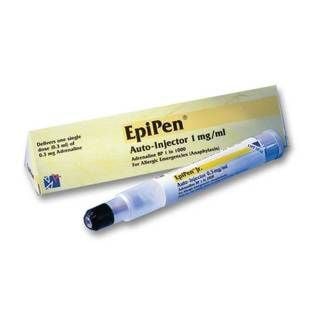
If your allergies are severe, your doctor may recommend that you carry an EpiPen, a life-saving emergency treatment that contains adrenaline.
How to treat dog and cat allergies
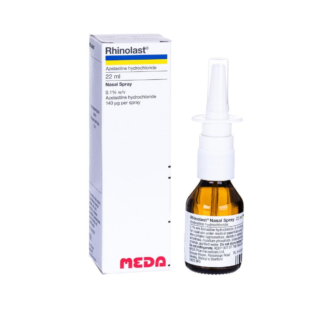
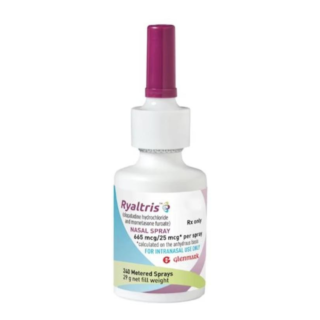
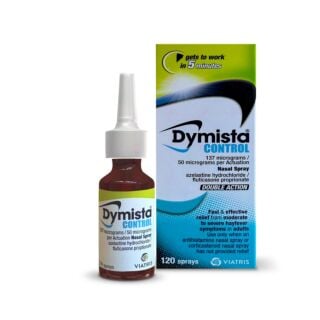
Over-the-counter and prescription medicines for pet allergies are readily available. If your allergy is more serious, there are also other medical options you could consider.
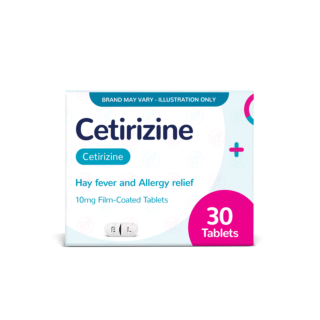
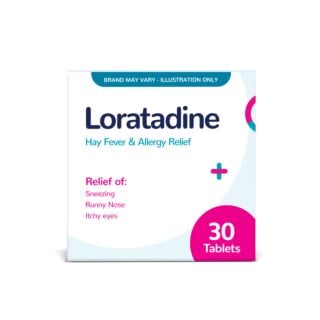
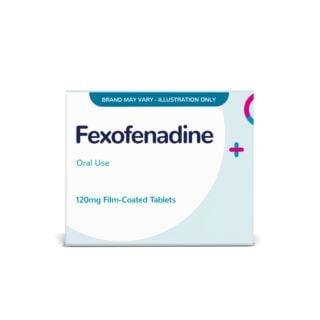
Antihistamines
Most antihistamines are available without the need for a prescription, though some stronger options may require a consultation first.
The best antihistamine for you will depend on your symptoms, so you may have to try a few to find the right fit.
If you experience more serious pet allergy symptoms like a badly swollen throat, difficulty breathing, wheezing or a rapid heart rate, your GP may prescribe an auto-injector like an EpiPen.
You’ll carry this with you in case you’re in an unmanageable situation and become exposed to pet allergens or experience unexpected symptoms.
Immunotherapy is an option if you experience severe allergic reactions. It involves visiting a medical professional who will gradually and carefully expose you to dog or cat proteins, so your body gradually becomes used to them. Your GP can refer you to a clinic.
11 tips for managing dog and cat allergies
The best way to stay symptom free is to steer clear of the type of animal you’re allergic to. But if you don’t want to avoid dogs and cats completely then there are some steps you can take to minimise your symptoms.
If you don’t have a pet:
Have a supply of antihistamine medication to take if your symptoms become noticeable.
If you know you’re likely to meet a pet, take an antihistamine beforehand.
Avoid touching pets, but if you do, wash your hands afterwards.
If you have a pet:
Designate areas pet-free zones, for example your bedroom.
Use a damp duster to clean to help minimise pet dander.
Don’t let your pet sit on your soft furnishings.
Invest in a HEPA (high efficiency particulate air) filtervacuum cleaner and wash hard floors with hot, soapy water.
Wash soft furnishing covers and pet toys on a hot water cycle.
Use a steam cleaner where you can.
Be thorough when cleaning animal cages and change them outside. Wash pet bedding regularly on a hot wash.
Consider buying an air purifier to reduce airborne allergens.
Take a daily antihistamine.
Some breeds of pet are sold as 'hypo-allergenic' and can reduce the likelihood of symptoms, but there are no truly non-allergic dogs or cats.
Frequently asked questions about dog and cat allergies
Can you live with cats if you’re allergic?
Yes, if your symptoms are minimal or you can cope with them using antihistamines and careful pet management, it’s perfectly possible to live with a cat. Some breeds produce fewer allergens – select yours carefully.
Can you outgrow a dog allergy?
It’s unlikely you’ll 'grow out' of a dog allergy, but your symptoms may lessen if you develop a tolerance to an animal. Immunotherapy can be a useful tool in helping you become desensitised. Symptoms can, however, return.
What is the most powerful antihistamine?
The effectiveness of different brands or forms of antihistamines varies from person to person. However, there are higher dose choices. Histahive and Allevia contain higher amounts of fexofenadine, while desloratadine is also considered a stronger option. Benadryl is a first-generation antihistamine which causes drowsiness, so it may be effective if your symptoms are disrupting your sleep.
Chemist 4 U uses cookies (and other techniques) to enhance your shopping experience.
Read more about our cookie policy, terms and conditions and privacy statement. By continuing on this site and accepting our cookies you agree to the collection of information on this basis by us and by third parties on the platform as well as direct email marketing. Please customise your cookie settings below.
Find out more about our data policies.