Whether it's your wedding day, a holiday, or a sporting event, there are plenty of moments in life when your period showing up is, quite frankly, the last thing you need.
But with the right medication, safely delaying your period is more straightforward than you might think.
Three key takeaways
There are lots of reasons you might want to delay your period, from big life events to managing a health condition, or simply just because!
There's no safe or effective way to delay your period naturally. You’d need to use a period delay medication, but always speak to a healthcare professional beforehand to make sure it's right for you.
Why would someone want to delay their period?
There's no right or wrong reason to want to delay your period. Everyone's situation is different, and whether it's for a one-off occasion or an ongoing health condition, it's entirely your decision.
However, it’s important to note that we’re only able to prescribe period delay medication for a specific event, like a holiday, for example.
If you’re looking to delay your period due to an ongoing health condition, like polycystic ovary syndrome (PCOS), premenstrual syndrome (PMS), or heavy bleeding, you should book an appointment to see your GP so they can better support you.
Your wedding day is one of the biggest days of your life, and the last thing you want is to be dealing with cramps, bloating, or worrying about leaks while you're walking down the aisle (especially while wearing white!)
Delaying your period means one less thing to think about, so you can focus on enjoying the day.
2. To stop your period for a holiday
Whether you're heading somewhere hot, planning a beach holiday, or just want to feel your best while you're away, having your period turn up mid-trip can really take the shine off things.
If you know your cycle is likely to clash with your travel dates, plan ahead by seeing if a period delay medication is right for you before you go.
3. If you know you’re going swimming
From a pool day to open water swimming, periods and water don't always mix well, especially if you find tampons uncomfortable or you're dealing with a heavy flow. Delaying your period can make the whole experience a lot more enjoyable.
4. To avoid your period during a sporting event
If you're competing, training hard, or taking part in a race or tournament, period symptoms can get in the way and prevent you from performing at your best. Fatigue, cramps, and heavy bleeding are tough enough on their own without adding physical exertion into the mix.
Many athletes choose to delay their period around important events exactly for this reason.
5. Or just because!
You don't always need a medical reason or an event to delay your period. Perhaps you're just tired, you've got a lot on, or you simply don't want to deal with it right now. And that's completely fine, too!
But you should always speak to your GP for support if you wish to delay your period but have no specific reason to do so.
5 other uses of period delay tablets
1. To ease PMS
PMS can bring with it a whole range of symptoms, like mood changes, bloating, headaches, and fatigue. For some people, these symptoms are severe enough to affect daily life. Delaying your period can also delay these symptoms, giving you some relief.
2. To regulate unpredictable or irregular periods
If you've got PCOS, irregular periods are likely something you know all too well.
They're hard to plan around at the best of times, but especially when you've got something important coming up. And when you don't know when your period is going to show up, it can cause a lot of unnecessary anxiety, too.
Being able to take control of your cycle means one less thing to worry about, whether that's in the lead-up to an event or just in day-to-day life.
3. To manage severe period pain or heavy bleeding
For some people, painful periods and heavy bleeding can be debilitating. If you regularly find yourself unable to go about your normal routine during your period, delaying it from time to time can offer some much-needed respite.
4. To reduce symptoms of endometriosis or PCOS
“Conditions like endometriosis and PCOS can make periods particularly difficult. Endometriosis causes tissue similar to the womb lining to grow elsewhere in the body, often leading to severe pain and heavy periods.
“PCOS mainly causes irregular or missed periods. Hormonal treatments can help manage symptoms in some cases, but it’s important to speak to your GP about what’s right for you.”
Having your period during or around the time of a medical procedure can complicate things, both practically and in terms of how you feel. In some cases, a healthcare professional may recommend delaying your period around the time of your procedure to make things easier.
Is delaying your period safe?
“When it's done correctly, delaying your period is completely safe. Your body doesn't need to have a period every month, and unless you're trying to conceive, there's no medical reason why you have to have one.
“What matters is going about it the right way. You might have seen natural remedies floating around online, like apple cider vinegar, lemon juice, or high doses of vitamin C, but there's no evidence that any of these really work, and some could even be harmful.
“The only safe and reliable way to delay your period is with clinically approved medication. Sticking to these and getting advice from a healthcare professional means you can delay your period safely and with confidence. A prescriber will be able to look at your individual situation and point you in the right direction.”
Claire Irwin, Prescribing Pharmacist at Chemist4U
Do you need to delay your period?
While many people find that delaying their period is useful, especially if you have conditions like endometriosis or PCOS, you don't have to! Periods are a normal part of life, and for lots of people, they're manageable with the right products and a bit of preparation.
Pain relief like ibuprofen or paracetamol can help take the edge off cramps, and if heavy bleeding is your main concern, try Evana. It contains tranexamic acid, which helps your body's natural clotting process stay in place and reduces the amount of blood you lose.
Heat patches are great for targeted relief too, and stocking up on your preferred period products ahead of time means you're not caught off guard.
That said, if your period is poorly timed, painful, or unpredictable, it's natural to want to explore your options.
Just keep in mind that period delay medication isn't right for everyone, and it can cause side effects, so always speak to a healthcare professional first to figure out if it's right for you and your circumstances.
Best ways to delay your period
There are a few different options when it comes to delaying your period, and the right one for you will depend on your circumstances, your medical history, and how long you need to delay it for.
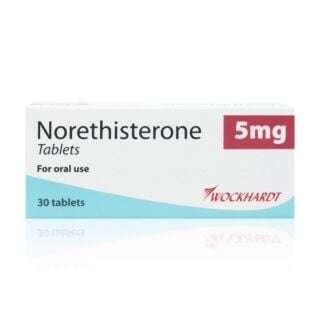
Norethisterone is the most commonly prescribed medication for period delay, and it's the only progestogen pill that's licensed in the UK specifically for this purpose. It contains a synthetic form of progesterone, a hormone your body already produces naturally.
When you take it, it keeps your progesterone levels topped up, which stops the lining of your womb from shedding and prevents your period from starting. It's well tolerated by most people, and any side effects from norethisterone tend to be mild.
You should take norethisterone:
Three days before your period is due.
One tablet, three times per day.
Once you stop, your period will usually arrive within three days.
While norethisterone is very effective at delaying your period, it doesn't work as contraception, so you'll still need to use protection if there's a chance you could get pregnant.
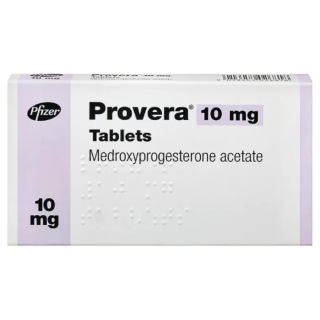
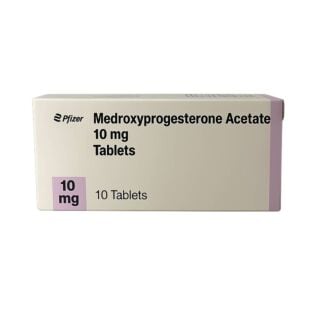
Provera is a branded tablet containing the active ingredient medroxyprogesterone, which belongs to the same progestogen family as norethisterone. If you're prescribed the generic version, don't worry, as it contains exactly the same active ingredient and works in the same way.
Like norethisterone, it works by maintaining the lining of the womb and preventing the hormonal changes that would normally trigger your period.
If you’re wondering about Provera side effects, you can read more information in our guide.
At Chemist4U, we prescribe Provera off-label for period delay. This simply means using it for something other than its original purpose, which is common, safe, and legal. Your prescriber will only recommend it if they think it's the right fit for you.
It’s the preferred choice if you have a higher BMI or norethisterone isn’t suitable or tolerated. Higher BMIs can increase the risk of blood clots, and Provera has more evidence for use in this group of people.
Combined contraceptive pill
If you're already taking the combined contraceptive pill, delaying your period can be as straightforward as skipping your usual seven-day break and starting your next pack straight away.
This keeps your hormone levels consistently elevated, which prevents the lining of your womb from shedding and holds your period off. Always check with your prescriber before doing this, though, just to make sure it's suitable for you.
“It's important to know that this only works if you've already been taking the pill regularly for several weeks. Starting it a few days before your period is due won't have any effect, so it's not something you can use as a last-minute solution.
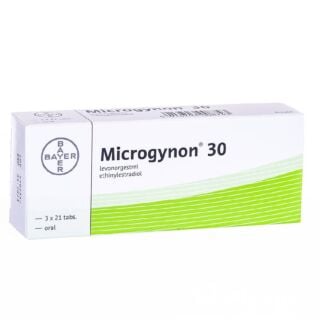
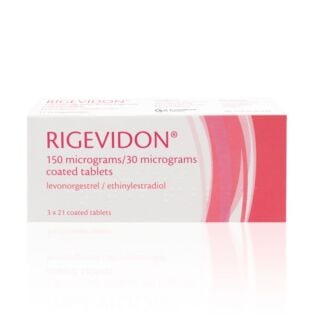
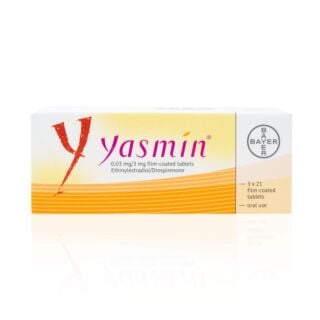
“Most combined pills can be taken back-to-back, including Microgynon, Rigevidon, and Yasmin. However, if you're on a phasic pill, which contains different hormone levels in each tablet, you'll need to speak to your prescriber before taking more than one pack in a row.”
Claire Irwin, Prescribing Pharmacist at Chemist4U
The mini pill can't be used to delay your period. It's taken every day without any breaks, so there's no way to manipulate your cycle in the same way. Some people also find that their periods become irregular on the mini pill, which can make things harder to predict rather than easier.
Taking control of your cycle has never been easier. If you’ve got a specific event coming up and you’re looking to delay your period, this could be the right option for you. Our quick online consultation means you can get the right period delay medication without even leaving the house.
Just answer a few questions about your health and lifestyle, and if one of our expert clinicians approves your treatment, we'll send it straight to your door in discreet packaging.
If the combined contraceptive pill feels like the right fit for you, don't forget that we also offer the Free NHS Contraception Service. This means you could get your regular pill or start a new one completely free of charge.
Period delay tablets work by keeping your progesterone levels stable, which prevents the lining of your womb from shedding and a period from starting. Once you stop taking them, your hormone levels drop and your period should arrive as normal within a few days.
How long can I take period delay tablets for?
Most period delay tablets can be taken for around three to four weeks, but we can only prescribe a maximum of 60 period delay tablets from our clinic. While you can delay a period for this long, we would advise speaking to the GP regarding this.
How often can you delay your period?
There's no hard rule, but it's not something most healthcare professionals would recommend doing every month without guidance. If you find yourself regularly wanting to skip your period, the combined contraceptive pill (if suitable) could be a better option, but always talk to your GP first about longer-term options.
Will I get any side effects from period delay medication?
Most side effects from period delay medication tend to be mild and can include nausea, headaches, breast tenderness, and mood changes. If you're at all concerned, speak to a healthcare professional before you start.
Does norethisterone prevent pregnancy?
No, norethisterone isn't a contraceptive and won't protect you from pregnancy. If you’re sexually active, make sure you’re using a separate method of contraception, like condoms, alongside it.
When should I get my period after taking norethisterone?
Your period will usually start within two to three days of taking your last norethisterone tablet. It may be slightly heavier than normal, which is usually nothing to worry about. If your period hasn’t started within a week of stopping the tablets, take a pregnancy test or speak to your GP for advice.
Chemist 4 U uses cookies (and other techniques) to enhance your shopping experience.
Read more about our cookie policy, terms and conditions and privacy statement. By continuing on this site and accepting our cookies you agree to the collection of information on this basis by us and by third parties on the platform as well as direct email marketing. Please customise your cookie settings below.
Find out more about our data policies.