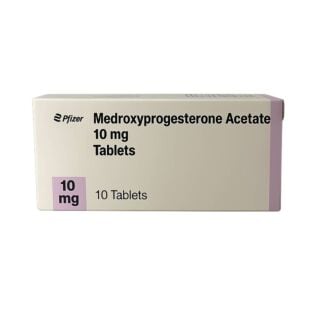
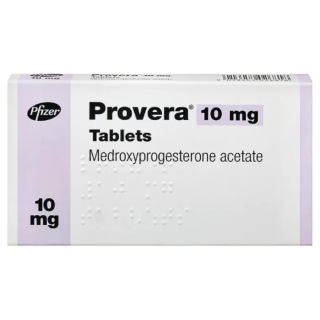
Provera, also available as generic medroxyprogesterone, is a progestogen-only tablet that can be prescribed off-label for period delay.
While Provera can cause side effects, knowing what to look out for will help you feel more prepared and in control when taking your medication.
So, whether you're already on Provera or have been advised that it could be a better fit for your needs, this guide walks you through everything you need to know about its potential side effects.
Three key takeaways
Provera (medroxyprogesterone) can be prescribed off-label for period delay, and it’s usually the preferred option if you have a higher BMI or can’t take oestrogen-containing medicines.
Common side effects like headaches, nausea, and spotting are typically temporary and ease off as you adjust to the treatment.
Although most people tolerate Provera well, some people may experience an allergic reaction or changes in mood. If you’re experiencing any of these, stop taking Provera and seek medical attention.
What is Provera used for?
Provera is a branded tablet containing the active ingredient medroxyprogesterone. If you've been prescribed the generic version, don't worry, as it contains exactly the same active ingredient and works in the same way.
We have both available right here at Chemist4U, after a quick and simple consultation.
Medroxyprogesterone belongs to a group of medicines called progestogens, which are similar to the natural female hormone progesterone your body already produces.
It works by maintaining the lining of the womb and preventing hormonal changes that cause it to shed or trigger a period.
Provera can be used to treat a number of conditions, like:
At Chemist4U, we're only able to prescribe Provera off-label for period delay.
When something is prescribed off-label, it simply means using a medicine for something other than what it was originally licensed for. This is common, safe, and legal, and will only be done if your prescriber thinks it's the best option for you.
It could be a particularly good fit if:
you can't take oestrogen-containing medicines, as Provera carries a lower risk of oestrogen-related side effects like blood clots
you have a higher BMI, as a higher BMI increases the risk of oestrogen-related side effects like blood clots
Skipping or delaying your period is perfectly safe. Your period doesn't serve a medical purpose every month, and there's no health reason to have one if you're not trying to conceive.
Well, you can only do so safely with medication like Provera. But it's essential to discuss this with a healthcare professional first so they can find the right period delay medication for you.
“For most people, Provera is safe when taken as prescribed. It's been used for many years and is well understood by doctors and pharmacists.
“That said, it's not suitable for everyone, and certain medicines can affect how well it works. Always tell your prescriber about any health conditions you have and any medicines you're currently taking, so they can confirm it's the right option for you.
“If you're taking Provera for period delay, it's important not to use it long-term without speaking to a healthcare professional first.
“It's designed for short-term use, and if you're having ongoing issues with your periods, it's a good idea to discuss this with your GP so they can look into what's going on.”
Although some of these side effects can seem alarming, keep in mind that most people taking Provera tolerate it well. Many of these only affect around 10% of people taking it, and plenty of those who do experience side effects find that they're mild and settle down on their own.
However, if you're worried about any of these side effects, or you notice a change in your mood, stop taking Provera and speak to your GP or prescriber. If you think you're having a severe allergic reaction, don't wait – seek emergency medical attention straight away.
Less common and rare side effects
Uncommon side effects (may affect up to one in 100 people):
facial hair growth
milky discharge from the breasts when not pregnant or breastfeeding
fluid retention, like in the hands and ankles
Not known (the frequency can’t be determined from the available data):
Serious side effects are rare, but it's still important to know what to look out for. Provera can, rarely, cause a severe allergic reaction which can be life-threatening. Stop taking it and get emergency medical help straight away if you notice any of the following:
wheezing or difficulty breathing
swelling of the face, tongue, hands, or feet
feeling faint
an intense, itchy skin rash
Although blood clots are rare, Provera does carry a small risk, though that risk is still lower than some other period delay medicines like norethisterone. It's important to know the signs, so if you notice any of the following, stop taking it and get emergency medical help straight away.
Signs of a blood clot in the lungs:
sudden, severe chest pain
coughing up blood
sudden shortness of breath
a rapid heartbeat
Signs of a stroke (blood clot in the brain):
an unusually severe or long-lasting headache
any changes to your vision
difficulty speaking
weakness or numbness in any part of your body
collapsing or fainting
Signs of a deep-vein thrombosis (DVT):
severe pain, tenderness, or swelling in your calf, ankle, or foot
skin on the leg that looks purple or red, or feels warm to the touch
How soon do side effects appear?
“Side effects from Provera can show up fairly quickly after you start taking it, often within the first few days. Because Provera alters your hormone levels, your body sometimes needs a little time to adjust, and that adjustment period is often when side effects are most noticeable.
“For most people, side effects settle down over time. If you're taking Provera for a short course, like to delay your period, any side effects will usually ease off once you stop taking the tablets, though some may linger for a little while afterwards.”
Claire Irwin, Prescribing Pharmacist at Chemist4U
How to manage the side effects of Provera
Thankfully, many of Provera's side effects are manageable. Here are some things that can help:
Headaches: Stay well hydrated, get plenty of rest, and take an over-the-counter painkiller like paracetamol or ibuprofen (if suitable) to ease the pain. If your headaches are severe or don't ease up, speak to your prescriber.
Nausea: This can often be eased by taking your tablet with food rather than on an empty stomach. Water, little and often, as well as ginger tea or plain crackers, can also help to settle your stomach.
Spotting or unexpected bleeding: This is common, but it's nothing to worry about. If bleeding becomes heavy or prolonged, check in with your GP. Carry period products, like pads or tampons, with you just in case.
Breast tenderness: Although it can be uncomfortable, it usually improves over time. A well-fitted, supportive bra, even at night if needed, can help reduce discomfort.
Tiredness and difficulty sleeping: Try to keep a consistent sleep routine, limit caffeine in the afternoon and evening, and give yourself time to wind down before bed.
Mood changes or low mood: It's important not to brush these off. Talk to someone you trust, and don't hesitate to contact your GP if you're feeling persistently low or anxious.
Acne or skin changes: These can sometimes occur due to the hormonal effects of the medication. A gentle skincare routine and using non-greasy, non-comedogenic products (meaning they won't block pores) can help.
Weight changes or fluid retention: Eating a balanced diet, keeping active, and drinking plenty of water can help manage this while you're on the treatment.
How Chemist4U can help
Whether you've already been prescribed Provera or you're just exploring your options for period delay, we're here to make the whole process as straightforward as possible.
Simply complete a quick online consultation from home, and one of our prescribing pharmacists will review your answers. If Provera is right for you, we'll get your medication delivered straight to your door in discreet packaging.
Already taking Provera but finding some of the side effects hard to manage? We can help with that, too. We're not just here at the start of your treatment journey. We're here throughout, making sure everything is going smoothly and that you feel supported every step of the way.
Frequently asked questions about Provera side effects
Can Provera cause weight gain?
While weight gain is listed as a common side effect of Provera, some of it may actually be down to fluid retention. Eating well and staying active can help, but if you’re concerned, always speak to your GP or prescriber.
Is it normal to have no periods while on Provera?
If you're using Provera to delay your period, having no periods is completely normal and your period should return a few days after you stop. If it doesn't arrive as expected, you should take a pregnancy test, as Provera isn't a contraceptive.
Can I take Provera if I have a history of blood clots?
If you've ever had a blood clot in your veins or arteries, you can't take Provera. It's not suitable for you and your prescriber will need to discuss alternative options.
Does Provera clean out your uterus?
Not exactly. When you stop taking Provera, your hormone levels drop and the womb lining sheds, causing a withdrawal bleed similar to a period. It's not a cleanout as such, just your body responding to the change in hormones in the same way it would during a normal cycle.
Chemist 4 U uses cookies (and other techniques) to enhance your shopping experience.
Read more about our cookie policy, terms and conditions and privacy statement. By continuing on this site and accepting our cookies you agree to the collection of information on this basis by us and by third parties on the platform as well as direct email marketing. Please customise your cookie settings below.
Find out more about our data policies.