Menopause is famous for hot flushes and mood swings. What's talked about far less is the impact it can have on your sex life. Yet, in our new survey, 75% of women said that menopause had affected things in the bedroom – and many had no idea it was to blame.
On average, it takes women almost a year to connect their symptoms to menopause. But many couples feel the effects on their sex life and relationship long before they know that the two things might be related.
We asked 2,000 women how menopause has affected their sex lives, relationships, and dating habits. Here's what they told us, along with some handy advice on what can help if you're in the same boat.
Three key takeaways
75% of women say menopause symptoms have affected their sex life.
25% of women said they had reduced intimacy with their partner because of menopause symptoms.
30% of women felt relieved once they realised their symptoms might be menopause.
Can menopause affect your relationship?
Yes, and often in ways that are easy to miss. Mood swings and a dip in your sex drive can put a strain on even the strongest relationship, especially when neither of you knows what's causing them.
When you're the one living with the symptoms, it's easy to blame yourself or a stressful few months, especially when menopause is the last thing on your mind. So, if you've been putting things down to a rough patch, you're in very good company.
Healthcare professionals can miss the link too. 21% had their menopause symptoms mistaken for something else by a healthcare professional, most commonly 'just getting older'. Most women also admit to explaining away their symptoms, which is understandable when life is already busy enough.
Anxiety, irritability, low mood, and poor sleep can all affect how you feel about yourself and your partner. If any of these sound familiar, speak to your GP or one of our pharmacists. They can help you work out whether menopause could be the culprit.
And you're never too young to ask. Perimenopause is the stage before your periods stop, when these symptoms tend to start, and it can last anywhere from 2-10 years. The average age to hit perimenopause is around 42 in the UK, but for some women, it can start as early as their mid-30s.
Is it menopause or something else?
We're all guilty of explaining things away from time to time. Here are some of the things that you might be telling yourself, and what might actually be going on.
What you might tell yourself
What it could be
'We're just in a rut.'
Low libido and tiredness are menopause symptoms that can impact your connection with your partner.
'I'm just tired.'
Night sweats and changing hormone levels can disrupt your sleep.
'It's my age.'
Many changes that get put down to ageing are menopause symptoms that can be treated.
'Sex just hurts now.'
Vaginal dryness is common during menopause and can be helped with the right lubricant.
'I'm snapping at everyone.'
Irritability and mood swings can be linked to changing hormone levels.
'I've gone off my partner.'
Changes in sex drive are common during menopause and can impact your desire towards your partner.
How does menopause affect your sex life?
Setting the mood takes more than candles and a good playlist. Your body and mind need to be on board too, and menopause can throw both off-balance. So it's no surprise that 75% of the women that we surveyed said menopause symptoms had affected their sex life, and 25% had reduced intimacy with their partner.
Changes to your libido can start during perimenopause, well before your periods stop. Everyone's experience is different, though. While some women notice their libido drops, others find they enjoy sex after menopause more than ever.
Why can menopause lower your sex drive?
It usually comes down to a mix of physical and emotional changes. Falling oestrogen levels can make the vaginal tissue thinner and drier, which can make sex uncomfortable or even painful. Understandably, that can make it harder to get in the mood. Lower testosterone levels can dampen your libido as well.
Hormones are only part of the picture. Night sweats can leave you exhausted, and stress or changes in how you feel about your body can knock your confidence. Some medications and long-term health conditions can also affect your sex drive, so it's worth considering your wider health to see if there could be any other factors at play.
How to improve your sex drive during menopause
The good news is that many of the menopause symptoms that get in the way of your sex life can be treated. Some options that may help include:
Cognitive behavioural therapy (CBT) is a talking therapy that may help if anxiety or low mood are affecting your sex drive.
Hormone replacement therapy (HRT) replaces the hormones that your body is making less of and may help to ease many menopause symptoms.
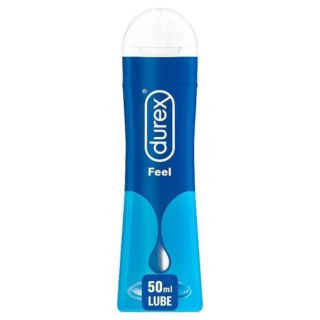
Lubricants reduce friction and can make sex more comfortable. Use a water-based lubricant with condoms, as oil-based products can damage latex.
Testosterone gel or cream can help to improve low libido for some women, according to the NHS. It's usually only considered if HRT alone has not helped.
Pelvic floor exercises are easy to do anywhere. They strengthen the muscles used during sex and can improve blood flow to the area.
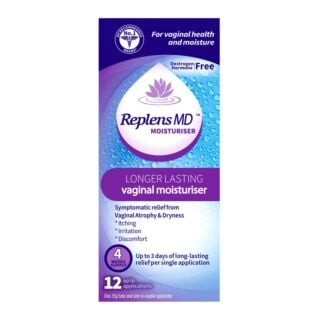
Vaginal moisturisers can ease everyday dryness and discomfort when used regularly.
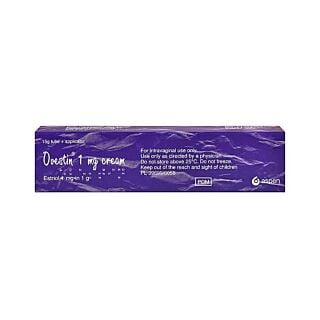
Vaginal oestrogen is applied directly to the vagina as a cream, pessary, or vaginal ring. It can treat dryness and soreness and is available on prescription.
"Vaginal dryness and low libido are two of the most common menopause symptoms that we're asked about, and they're also two of the most treatable. Lots of women put up with them for years because they feel awkward bringing them up. A pharmacist can talk you through your options in confidence, and there's nothing that we haven't heard before."
The best place to start is being honest about your symptoms and how they're making you feel. It might feel a little bit awkward at first, but knowing that menopause might could be behind some of the changes in your relationship can take the pressure off you both. Talking openly can help you work through challenges together, and make you feel like a team again.
Try to pick a time when you're both relaxed, rather than in the middle of a disagreement. Using 'I' statements, like 'I've been feeling really tired lately', can help you to explain how you feel without it coming across as criticism.
Your partner may not know that your symptoms are linked to menopause, so it's worth talking them through together. From there, you can work out what would help, whether that's taking things more slowly or trying a lubricant. Keep the conversation going, too, as your symptoms and needs may change over time.
Can menopause affect dating?
Yes. Putting yourself out there can be nerve-racking at the best of times, and menopause symptoms can make it feel even harder. Among the single women in our survey, 30% said menopause symptoms made them feel less confident dating. 22% had avoided dating altogether, and 18% hesitated to start a new relationship.
If you're feeling the same, try to be kind to yourself. These tips can help you get your confidence back:
Go at your own pace. There's no right time to get back out there or to talk about menopause with someone new.
Mention menopause when it feels right. Being open can help you find someone who gets it.
Plan dates that feel comfortable, like a daytime coffee, if tiredness or night sweats are a worry.
Get help for symptoms that knock your confidence. Many, like vaginal dryness and poor sleep, can be improved with the right treatment.
One thing to keep in mind is that you can still get pregnant during perimenopause, so if a pregnancy isn't on your family planning list at the moment, keep using contraception until a doctor or pharmacist tells you it's safe to stop.
Condoms are important too, as less lubrication and thinning vaginal walls can make you more vulnerable to sexually transmitted infections (STIs). If you'd like a safe sex refresher, our contraception and STI myths guide covers the basics.
How can family and friends help during menopause?
Family and friends can help by learning about menopause and offering practical support, even if it's just a listening ear. Sadly, just 8% of women in our survey said their family became more supportive as they went through perimenopause and menopause.
Menopause can affect how you show up at home, too. 28% of women said they felt more irritable or short-tempered with family members, and 18% withdrew or spent more time alone. When your loved ones don't know what's behind these changes, it's easy for everyone to feel a little lost.
Often, it's because the people close to you don't know what you're going through, especially if menopause isn't something that's talked about much at home. Telling them what menopause is and which symptoms you're having can go a long way. It's also OK to ask for specific help if everyday tasks feel harder than they used to, and friends who've been through menopause may have some tips that helped them.
Can menopause change how you feel about yourself?
Yes, and often for the better. Menopause certainly has its challenges, but plenty of the women in our survey also described some positive changes.
Nearly 1 in 3 women (30%) felt relieved once they realised their symptoms might be menopause. Finally having a name for what's going on can make symptoms feel far less worrying, and it's the first step to getting the right support.
23% of women say they feel more aware of their body and health. Menopause can be a good nudge to think about your long-term health, as lower oestrogen levels can affect your bones and heart. Staying active and keeping up with regular health checks can help.
1 in 5 women (20%) now feel more accepting of ageing. For a stage of life that's so often brushed off as 'just getting older', it's reassuring to know that so many women come out the other side feeling more comfortable in their own skin.
Where can I get help with menopause symptoms?
A GP can help, or you can also get support from one of our trusted pharmacists through an online consultation. Despite this, only 23% of women in our survey said a healthcare professional was their first port of call for menopause questions.
And we get it. Symptoms like vaginal dryness or low libido can feel awkward to bring up, especially when you've only got 10 minutes with your GP.
You should see a GP if:
you have menopause symptoms and you're under 45
you have vaginal bleeding after menopause
your symptoms are having a big impact on your daily life
Pharmacists can be an easier first step. You can speak to one without an appointment, and they can advise you on your symptoms and whether an over-the-counter product or prescription treatment might suit you. The NHS also recommends talking to a doctor, nurse, or pharmacist about HRT and other options that can help with menopause symptoms.
"Lots of women don't realise that they can speak to a pharmacist about menopause. We're happy to talk through your symptoms and recommend products for things like vaginal dryness. We can also let you know if a prescription treatment like HRT could help. It's often a much quicker and more relaxed conversation than people expect."
Whatever you're going through, you don't have to put up with menopause symptoms on your own. Speak to one of our pharmacists to find out which treatments could help you feel more like yourself again.
Chemist4U surveyed 2,000 UK women aged 18+ via Censuswide. Fieldwork was conducted between 13 March 2026 and 16 March 2026. All figures are rounded.
Frequently asked questions about menopause and relationships
Is it common to lose interest in sex during menopause?
Yes, it's very common. 75% of the women in our survey said menopause symptoms had affected their sex life. Hormone changes, tiredness, vaginal dryness, and stress can all play a part. Speak to a pharmacist or GP if it's bothering you, as there are treatments that can help.
How can I increase my libido after menopause?
Start by treating any symptoms that make sex uncomfortable or leave you feeling too tired, like vaginal dryness or poor sleep. HRT may ease many menopause symptoms, and testosterone may help some women if HRT alone has not improved their libido. Talking openly with your partner can make a big difference, too.
Can a pharmacist help with menopause symptoms?
Yes. A pharmacist can talk you through your symptoms and recommend products like vaginal moisturisers and lubricants. They can also advise whether a prescription treatment, like HRT or vaginal oestrogen, might be right for you.
Chemist 4 U uses cookies (and other techniques) to enhance your shopping experience.
Read more about our cookie policy, terms and conditions and privacy statement. By continuing on this site and accepting our cookies you agree to the collection of information on this basis by us and by third parties on the platform as well as direct email marketing. Please customise your cookie settings below.
Find out more about our data policies.