Whether you’re using birth control for the first time or switching to a new form of contraception, you need to know when your chosen method will start working to stay safe.
Well, we’re here to keep you as protected as possible. So, whether you want to know when your pill will start to work, or which forms of contraception offer instant protection, read our guide.
Three Key Takeaways
How long hormonal birth control takes to work depends on when in your menstrual cycle you start using it, and which brand you’ve chosen.
You may need to use another type of contraception, like a condom, until your chosen method is at its full effectiveness.
Even sterilisation takes time to become fully effective. You should ask your doctor how soon you can have unprotected sex after your procedure.
What is the fastest-working form of birth control?
Method of contraception
When method will start working
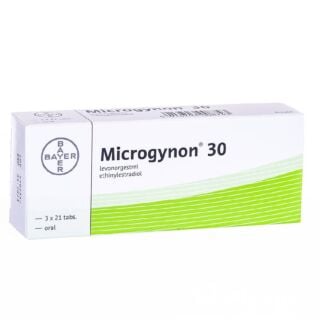
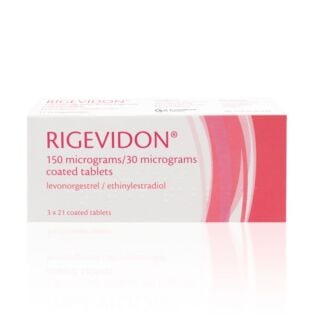
Combined pill
Immediately (day 1-5 of your period) Seven days (after day 5)
Progestogen-only pill
Immediately (day 1-5 of your period) Two days (after day five)
Zoely pill
Immediately (day one of your period) Seven days (after day one)
Drospirenone pill on day one of your menstrual cycle
Immediately (day one of your period) Seven days (after day one)
Qlaira pill
Immediately (day one of your period) Nine days (after day one)
Intrauterine device or copper coil (IUD)
Immediately (can also be used as emergency contraception if used within five days of unprotected sex)
Intrauterine device or hormonal coil (IUS)
Immediately (fitted day 1-5 of your period) Seven days (fitted after day five)
Contraceptive implant
Immediately (fitted day 1-5 of your period) Seven days (after day five)
Contraceptive injection
Immediately (day 1-5 of your period) Seven days (after day five)
Contraceptive patch
Immediately (day 1-5 of your period) Speak to your doctor or prescriber if using after day five of your period
Vaginal ring inserted on day 1-5 of your menstrual cycle
Immediately Seven days (after day five, but speak to your doctor or prescriber for more advice)
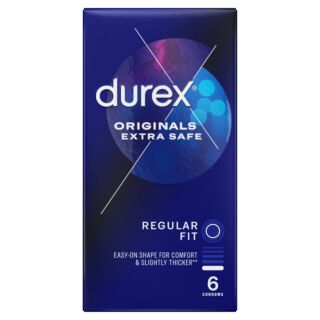
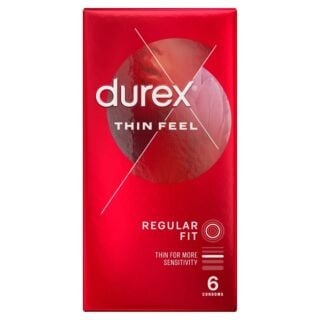
Condoms
Immediately
Internal (female) condoms
Immediately
Diaphragm or cap
Immediately
Fertility awareness method (FAM)
Immediately, but this method is not suitable for everyone, and if not followed correctly is only 76% effective.
Female sterilisation (tubal ligation)
Seven days
Male sterilisation (vasectomy)
At least 2-4 months. A doctor will test to confirm that the operation has been successful.
If you are starting to use contraception after a pregnancy, miscarriage or abortion, these times will vary. Speak to your medical practitioner or prescriber.
How long does contraception take to work?
Barrier and hormonal methods of contraception work differently to prevent pregnancy. Some are immediate solutions, and are available more readily, while others take longer to become effective and require you to get a prescription or book a procedure.
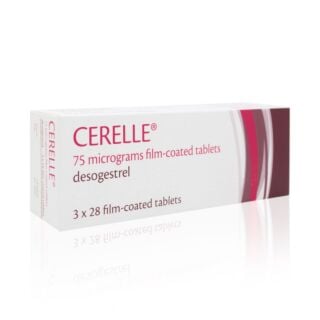
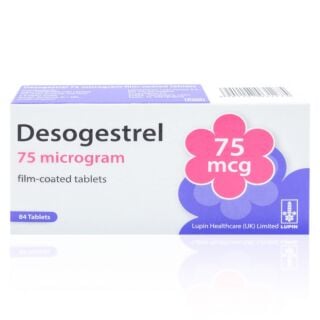
Progestogen-only (mini) pill
If you start taking the mini pill during the first five days of your menstrual cycle, it offers immediate protection from pregnancy.
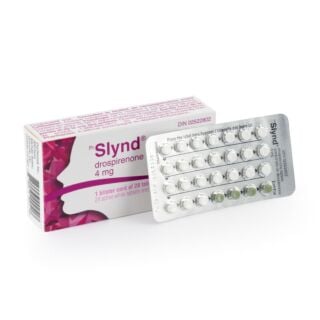
If you're using a mini pill containing drospirenone, like Slynd, it’s immediately effective if taken on day one. However, if you start your pack after that, it’ll take seven days to become fully effective. If you’re going to have sex within those seven days, you should use another form of protection, like a condom.
You should take your pill at the same time every day for maximum protection against getting pregnant on your birth control.
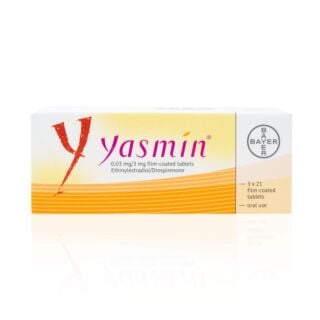
If you begin taking the combined pill during the first five days of your menstrual cycle, it’s immediately effective.
If you start your pack after that, you’ll need to use another form of contraception, like a condom, for seven days.
If you choose to take Zoely or Qlaira, they still work immediately if you start your pack on the first day of your period. However, after that, Zoely takes seven days to become effective, while Qlaira takes nine days, so you will need to use condoms for those days if starting after day one
You should take your pill at the same time every day for maximum protection.
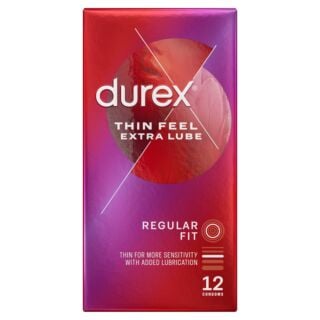
Female condoms can also be used immediately. Like more traditional condoms, they work as a barrier to stop sperm from coming into contact with and fertilising an egg. They also reduce the risk of STIs.
Diaphragm or cap
Used with spermicide, diaphragms or caps work immediately by stopping sperm from entering the womb You can also get ready in advance, inserting your diaphragm or cap up to three hours before you have sex.
Afterwards you need to leave your device in for at least six hours for it to be effective. You can’t, however, use a diaphragm or cap during your period.
You will need an appointment with a doctor to make sure you have the right size, and be shown how to fit it. Caps are smaller than diaphragms.
Intrauterine device or copper coil (IUD)
An IUD is inserted by a doctor and works as soon as it’s put into your womb. It is also effective emergency contraception if used within five days after unprotected sex. You’ll need to make an appointment in order to have one fitted.
Intrauterine device or hormonal coil (IUS)
An IUS is inserted by a doctor and works by releasing the hormone progestogen into your womb. If you have it fitted during the first five days of your cycle, it’s effective immediately. However, if it’s fitted at any other time, you should use another form of contraception, like condoms, for seven days.
Contraceptive implant
Implants are inserted under the skin by a doctor and work by releasing the hormone progestogen. If yours is fitted during the first five days of your cycle it will work immediately. But if your implant is fitted from day five onwards it will take seven days to become effective and you’ll need to use another form of contraception, like condoms
Contraceptive injection
Given by a doctor or nurse, the injection contains the hormone progestogen. If you get yours during the first five days of your menstrual cycle it’s immediately effective, but if you have your injection after that, it will take seven days to work properly. The injection isn’t a one-off – you’ll need to have it every eight to 13 weeks to keep protected.
Contraceptive patch
Prescribed by your doctor, or a clinic, if you start using a patch during the first five days of your cycle it’s effective immediately. If you want to start using it at another time, you should speak to your nurse or doctor about its effectiveness. You may need to use an additional barrier method of contraception for a short period.
Vaginal ring
The ring is a hormonal form of contraception that works by releasing oestrogen and progesterone into your bloodstream. If you insert it during the first five days of your period, it’s immediately effective. However, if you start using it after that, it will be effective after seven days.
Fertility awareness method (FAM)
The fertility awareness method ,or natural family planning, involves tracking your cycle to predict when you are least fertile or breastfeeding a newborn baby to delay ovulation. In theory, FAM works ‘immediately’. However, it’s not suitable for everyone and isn’t a particularly reliable form of birth control.
Female sterilisation (tubal ligation)
It’s recommended that you don’t have sex for at least seven days after you undergo a sterilisation procedure. There’s a very small chance of becoming pregnant for a week after the operation, so, if you do have sex, you should use another method of contraception.
Male sterilisation (vasectomy)
A vasectomy is a permanent method of contraception that stops sperm being ejaculated. It can take up to 12 weeks for vasectomies to be effective, and you’ll need to be tested by a doctor to confirm that the operation has been successful and there is no sperm remaining in your semen.
How long does emergency contraception take to work?
“The emergency pill shouldn’t be used as an ongoing method of birth control. You take it after having unprotected sex, or if a barrier method has failed.
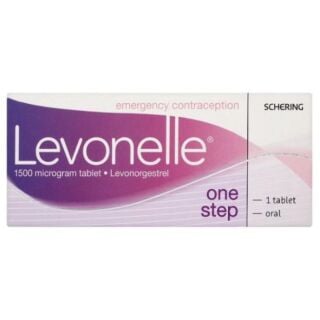
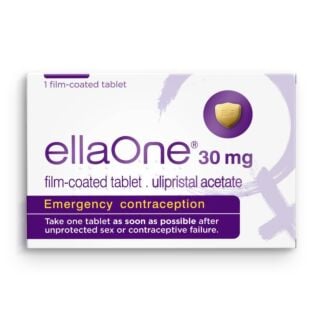
“If it’s a levonorgestrel-based pill, like Levonelle, you need to take it within three days of unprotected sex. If it contains ulipristal acetate, like ellaOne, it can be taken up to five days after sex.
“The effectiveness of the morning after pill doesn’t just depend on when you take the pill, but whether you’ve already ovulated, your weight, and what medications you’re on. You’ll need a consultation with a doctor or prescribing pharmacist to ensure you are prescribed the most appropriate pill based on your individual needs.”
To make sure your choice of birth control is the right fit, we require a phone call with one of our expert clinicians after you’ve completed the online consultation.
Better yet, we’re partnered with the Free NHS Contraception Service – so you can get the protection you need, free of charge.
If you take any brand of birth control pill on the first day of your period, it’ll be effective immediately. If you’re not starting on the first day of your menstrual cycle, make sure to check the instructions to see if you need additional protection for the first seven days.
What's the best time to take the pill?
Contraceptive pills work best when taken at the same time every day. If you make your pill part of your routine, like taking it before brushing your teeth or going to bed, you’re less likely to miss a tablet, and therefore maximize its efficacy.
What happens when you first start taking the pill?
You may experience side effects when taking birth control medication. These can vary depending on which pill you take. It is important to speak to the clinician about any concerns you have and read the patient leaflet too. If you don’t start taking the pill at the recommended point of your cycle, you should use a condom or cap for seven days, sometimes longer depending on the pill you have chosen
Chemist 4 U uses cookies (and other techniques) to enhance your shopping experience.
Read more about our cookie policy, terms and conditions and privacy statement. By continuing on this site and accepting our cookies you agree to the collection of information on this basis by us and by third parties on the platform as well as direct email marketing. Please customise your cookie settings below.
Find out more about our data policies.