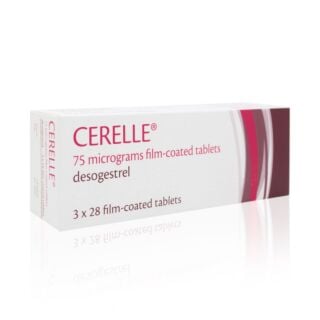
If you've ever wished you could just skip your period, you're not alone. Whether it's for a holiday, a special occasion, or simply because your periods are painful and disruptive, many people look to the contraceptive pill as a way to delay or stop them altogether.
But does it work, and is it safe?
The short answer is yes, some types of contraceptive pill can stop your periods, but it depends on the type you use and how you take it. This guide breaks down everything you need to know about using the contraceptive pill for period delay.
Three key takeaways
Combined hormonal contraceptives (like the combined pill, patch, and vaginal ring) can be used to reliably delay or stop your periods, because they contain both oestrogen and progestogen.
Progestogen-only contraceptives (like the mini pill, implant, injection, and hormonal coil) can sometimes stop periods as a side effect, but this isn't guaranteed, and they can't be relied on for period delay in the same way.
Although it's safe for most people to use hormonal contraception to stop their periods, it’s always best to speak to a healthcare professional first to ensure it’s suitable for you.
How does the contraceptive pill stop your periods?
Your menstrual cycle is driven by hormonal changes that cause the lining of your womb to build up each month in preparation for a potential pregnancy. If pregnancy doesn't happen, that lining sheds, which is what you experience as a period.
Hormonal contraceptives work by interfering with this cycle. The combined pill, for example, contains synthetic versions of oestrogen and progestogen that prevent ovulation, make it difficult for sperm to reach an egg, thin the uterine lining, and keep hormone levels steady.
The bleed you get during your usual pill-free week isn't actually a true period at all. It's called a withdrawal bleed, and it happens because your hormone levels drop when you stop taking the pill for that week.
Because it's not a real period, you don't have to have it. By skipping the pill-free week and taking packs back-to-back, you can avoid that bleed entirely.
However, the progestogen-only pill or mini pill (and other progestogen-only contraceptives) can't be used to stop periods in the same reliable way. We'll cover that in more detail below.
“Only combined hormonal methods (those containing both oestrogen and progestogen) can be reliably used for both contraception and period delay. This is because oestrogen plays an important role in keeping the uterine lining stable when packs are taken back-to-back.
“However, combined hormonal methods aren't suitable for everyone. If you're sensitive to oestrogen or have certain health conditions (like migraines with aura, high blood pressure, or a history of blood clots), they may not be recommended for you.”
The combined pill contains both oestrogen and progestogen. Most packs come with 21 active pills followed by a seven-day break, during which you'd normally have a withdrawal bleed.
To skip your period, you simply run two or more packs back-to-back without taking a break. Some combined pills (known as phasic pills) have varying hormone doses across the pack, so check with your pharmacist or GP before continuously taking packs together, as not all types work in the same way.
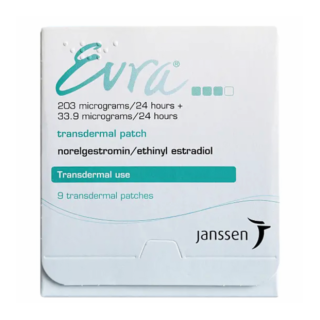
The contraceptive patch (sold under the brand name Evra) works in a similar way to the combined pill, releasing oestrogen and progestogen through the skin. You wear a patch for seven days, change it for a new one, and repeat for three weeks before having a patch-free week.
To delay your period, you can skip the patch-free week and start a new cycle of patches straight away.
Vaginal ring
The vaginal ring (sometimes known as the NuvaRing) is a small, flexible ring that you insert into the vagina for three weeks. It also releases oestrogen and progestogen. After three weeks, you remove it for a week, during which you'd usually have a withdrawal bleed.
Like the patch and pill, you can skip the ring-free week to delay your period by inserting a new ring immediately after removing the old one. Just under 90% of people using the vaginal ring continuously for six months had none to minimal bleeding.
Contraceptives that stop your periods as a side effect
Progestogen-only contraceptives are different. While they can sometimes stop periods altogether, this isn't guaranteed for everyone, and it can take time.
Some people find that their periods become lighter and more frequent, while others experience irregular bleeding or spotting between periods.
Because the effect on periods is unpredictable, progestogen-only methods can't be used in the same way as combined hormonal contraceptives for reliable, planned period delay.
Progestogen-only pill (mini pill)
The mini pill only contains progestogen and is taken every day without a break. It works by preventing ovulation, thickening cervical mucus to make it harder for sperm to reach an egg, and thinning the womb lining to make it more difficult for a fertilised egg to attach.
Because it doesn't follow a 21-day on, seven-day off cycle like the combined pill, there's no withdrawal bleed built into the routine.Some people do find their periods stop on the mini pill, but others experience irregular bleeding, especially in the first few months.
The hormonal IUS or coil (like Mirena) releases a small amount of progestogen directly into the womb. It can make periods lighter, shorter, or stop them altogether. However, irregular, light spotting is common in the first 3-6 months.
IUD (copper coil)
The copper IUD is a small, T-shaped device fitted inside the womb, but unlike the hormonal IUD, it doesn't release any hormones. Instead, it works by releasing copper that makes it difficult for sperm to reach an egg, in addition to thinning the womb lining.
Because there are no hormones involved, the copper coil won't stop your periods. In fact, for some people, it can do the opposite. Periods may become heavier, longer, or more painful after having a copper coil fitted. This may improve after a few months.
For this reason, it's not a suitable option if you're looking to reduce or stop your periods.
Contraceptive implant
The implant is a small rod inserted under the skin of your upper arm that releases progestogen.
It’s very common for your periods to change once you have an implant fitted. It can cause them to become irregular, lighter, or stop completely, with some people experiencing spotting and prolonged or heavier bleeding.
Contraceptive injection
The contraceptive injection (Depo-Provera) is given every 12-13 weeks. Many people find their periods stop over time, but it can take several months for this to happen.
In fact, almost half of injection users reported that their periods stopped after a year of use. It can also take a while for your periods to return after stopping the injection, sometimes up to a year or more.
The injection could be a good option if you’re unable to take contraceptives containing oestrogen and you’re happy to wait a while until your periods stop.
Continuous vs extended use: what's the difference?
You might have come across the terms ‘continuous use’ and ‘extended use’ when reading about using the pill or other types of contraception to stop periods. Here's what they mean:
Extended use means taking your contraception back-to-back before taking a break. For example, you might take three pill packs in a row and then have a 4-7 day break before starting again. This is a popular approach because it reduces how often you have withdrawal bleeds without cutting them out completely.
Continuous use means taking your contraception without any breaks at all, with no withdrawal bleeds. This is safe for most people and is sometimes recommended for those with conditions like endometriosis or very painful periods.
“Neither approach is ‘better’ than the other. It really depends on your personal preferences and what works for your body. Some people find that longer stretches of continuous use lead to more breakthrough bleeding, so a short break every few months can help.
“You should always speak to a healthcare professional before deciding to use the pill or another type of contraception to delay your period. They’ll also be able to offer guidance on extended and continuous use, and which one might suit you better.”
Dr Rashi Malhotra, General Practitioner
Is it safe to stop your periods with the pill?
Yes, for most people, it's perfectly safe to use hormonal contraception to stop or delay periods. It's a well-established practice and is widely used, especially for conditions like endometriosis, where having a period can be debilitating.
However, it's always best to check with a healthcare professional beforehand to ensure it's the right choice for you.
Does it harm your body not to have a period?
“No. The withdrawal bleed you get on combined contraception isn’t a “real” period; it’s a response to the drop in hormone levels during the hormone-free break. You don’t need it for your body to stay healthy. There’s no build-up of blood or tissue that needs to be ‘released’ each month, either.
“Your natural period is part of a normal menstrual cycle. When you’re using hormonal contraception to prevent pregnancy, that cycle is largely suppressed.
“Skipping the bleed doesn’t add any additional risk for most people using combined hormonal contraception, and it’s considered safe to take the pill continuously if it’s right for you.”
Less pain. Having no periods means you can avoid period-related pain, like cramps and headaches.
Managing heavy bleeding. For those with conditions like endometriosis, stopping periods can improve quality of life.
Regulating irregular periods. Conditions like PCOS (polycystic ovary syndrome) can cause unpredictable or infrequent periods. Using the combined pill can bring more consistency or remove the uncertainty altogether.
Convenience. Whether it's a holiday, a sporting event, or simply not wanting to deal with periods, having control over when (or whether) you bleed is useful.
Improved mood and energy. Some people experience premenstrual syndrome (PMS), low mood, or fatigue linked to their cycle. Reducing or stopping periods can help with this.
What are the downsides?
Like any hormonal contraception, using the pill to stop periods isn't without potential drawbacks:
Breakthrough bleeding. Irregular spotting or bleeding can happen when taking pill packs back-to-back.
Hormonal side effects. Some people experience side effects with the pill, like nausea, breast tenderness, mood changes, or headaches, and these don't go away just because you're using it continuously. For some, it can feel more pronounced, too.
Not suitable for everyone. Combined hormonal contraceptives aren't recommended for people with certain health conditions or risk factors. Always check with a healthcare professional before making changes to how you take your pill.
What causes breakthrough bleeding, and how do you manage it?
Breakthrough bleeding (also called spotting) is light, unplanned bleeding that can occur while taking the contraceptive pill, including when used continuously. In fact, around 20% of people will experience it on the combined pill.
It’s common, especially during the first few months of starting the pill or changing how you take it. In most cases, it’s nothing to worry about and doesn’t mean the pill isn’t working.
Breakthrough bleeding happens because the lining of the womb can become unstable under the influence of hormonal contraception, leading to small amounts of unexpected bleeding or spotting.
Here are some tips on how to manage breakthrough bleeding:
Give it time: It often settles within the first few months of use as your body adjusts.
Take your pill consistently: Try to take it at the same time every day, as missed or late pills can make bleeding more likely.
Consider a short break (if using combined pill): In some cases, a four-day pill break may help by allowing the womb lining to shed, preventing any spotting going forward.
Speak to a healthcare professional: If bleeding is heavy, lasts longer than a few days, continues beyond the first few months, is accompanied by other symptoms, or is worrying you, get advice from your GP or pharmacist to rule out other causes.
How Chemist4U can help
At Chemist4U, we offer the Free NHS Contraception Service, so you can access the contraceptive pill for free, quickly and easily, without needing a GP appointment.
Whether you're looking to start the combined pill, switch methods, or talk through your options, our team is here to help.
If you're looking to delay your period for a specific event and aren't currently on hormonal contraception, we can also help you access period delay treatments.
Options like norethisterone are available to order online following a short consultation, so you can get sorted in time for whatever you've got planned.
Frequently asked questions about using the pill for period delay
Can you stop your period permanently with the pill?
Not exactly. As long as you continue taking the combined pill continuously (without breaks), you can avoid withdrawal bleeds indefinitely.
But permanently stopping isn't quite the right way to think about it, because your natural cycle will return once you stop taking hormonal contraception. Many people use the pill long-term to manage or stop periods, and this is safe for most people.
How long does it take for the pill to stop your periods?
If you're already on the combined pill, you can start taking packs back-to-back straight away to skip your next withdrawal bleed. If you don't take the combined pill already, you'll need to start it a few weeks before the time you want to delay your period.
What happens when you stop taking the pill?
When you stop the pill, your natural menstrual cycle will gradually return. For most people, this happens within 1-3 months of stopping the pill. Some people may take a little longer, but it's usually nothing to worry about.
Any underlying conditions like PCOS or endometriosis are likely to return too once you stop, which is worth bearing in mind.
Can stopping your period affect fertility?
No. Using hormonal contraception to stop your periods doesn't affect your long-term fertility. Once you stop taking the pill or other hormonal contraception, your natural cycle will return.
The only exception to be aware of is the contraceptive injection, which can delay the return of fertility for up to a year or more after your last injection.
Chemist 4 U uses cookies (and other techniques) to enhance your shopping experience.
Read more about our cookie policy, terms and conditions and privacy statement. By continuing on this site and accepting our cookies you agree to the collection of information on this basis by us and by third parties on the platform as well as direct email marketing. Please customise your cookie settings below.
Find out more about our data policies.