Coming Off the Pill: Reasons, Side Effects and Next Steps
Coming Off the Pill: Reasons, Side Effects and Next Steps
Coming off the pill is a personal choice. Maybe the side effects have been getting you down, you’re looking to get pregnant, or you simply want to reconnect with your natural cycle.
Whatever your reason, it’s completely normal to feel uncertain about what comes next, especially if you’ve been taking oral contraception for a long time.
Here, we’ll walk you through the potential side effects of coming off the pill, how to do it safely, and what you should consider once you’re off it.
Three key takeaways
For most people, it takes around three months for periods to return to what’s normal for you after coming off the pill.
It’s possible to become pregnant right away after stopping, so using another form of contraception is important if you’re not planning to conceive.
Coming off the pill can increase your sex drive, help you to lose water weight, and give you visibility over your natural cycle.
6 reasons to come off the pill
People come off the pill for lots of different reasons, and they’re entirely personal to you and your circumstances. Some of the most common reasons include:
It’s important to note that not all side effects of coming off the pill are negative. For example, it’s normal for your periods to return or for your libido to increase (if you noticed it decreased while on the pill).
Below, we’ll discuss some of the side effects of coming off the pill, so you know what to expect or can make an informed decision if you’re still weighing things up.
Period changes
When you come off the pill, your periods will gradually return to what’s normal for you. If you started the pill because you had irregular, painful, or heavy periods, these will likely return once you stop, which is something to bear in mind.
Irregular periods (if you didn’t have them pre-pill) are completely normal when you first stop, as it can take a few months for your body to readjust to its natural hormone levels. But most people find that it settles within three months.
If you’re concerned about any period changes, speak to your GP for advice.
Mood changes
The hormones in the pill can affect your mood, so some people feel noticeably better when they come off it. Meanwhile, others experience mood swings, anxiety, or low mood while their body adjusts.
You may also find that PMS returns (symptoms some people experience before their period) or becomes more noticeable, since the pill helps stabilise hormonal fluctuations that can make you feel depressed, anxious, or irritable.
Acne
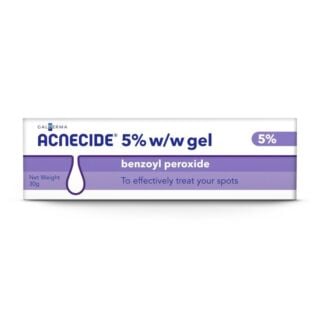
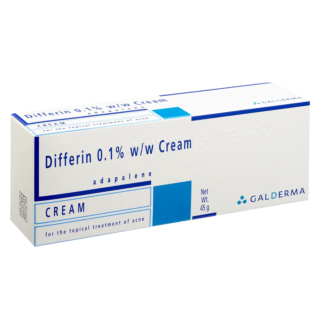
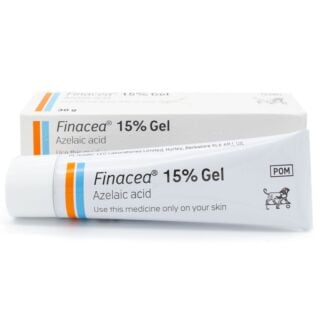
Hormonal acne is common when coming off the pill. The pill works by stabilising your hormones, keeping androgens (male sex hormones that we all have) at lower levels. When you stop, these hormones return to their natural state.
If your skin is sensitive to these hormones, it may produce more oil and trigger acne. You’re likely to experience this within the first six months of stopping.
However, if you have a condition like PCOS (which causes elevated androgen levels that lead to increased oil production and acne), post-pill acne may not resolve within this timeframe as it can only be managed, not cured.
Using non-comedogenic (meaning it won’t block your pores) skincare products can help to manage breakouts if you’re struggling with them.
Many people notice an increase in their libido (sexual desire) when they come off the pill. This happens because your testosterone levels naturally rise during ovulation, which the pill suppresses.
If your libido was affected by the pill, you may find that it returns to normal once you stop.
Breast tenderness
Combination pills containing oestrogen and progesterone can affect your breast tissue, so when you stop taking them, your breasts may feel sore as you adjust to your natural hormone levels.
Breast tenderness is a side effect of the birth control pill, so coming off it may improve it once your hormones rebalance. Either way, breast tenderness typically settles within a few weeks or months, and a supportive bra can help to manage any discomfort in the meantime.
Headaches
As your natural cycle returns, you may experience headaches or migraines during your period if you're already prone to hormonal headaches.
If you’ve been taking the combined pill, the drop in oestrogen when you stop can also trigger headaches. These often appear within five days of stopping the pill and usually improve within three days.
However, while some women experience new or worsening headaches, others can find improvement as the relationship between the pill and headaches is complex. Keeping well hydrated and getting enough sleep can help manage headaches if they do occur when you come off the pill.
Some contraceptive pills can cause water retention, which can be mistaken for weight gain. However, when you come off the pill, you can expect to lose this water weight, if you have it.
Other people may experience weight gain due to the hormonal shifts affecting appetite, fluid retention, and metabolism differently in each person.
Coming off the pill isn't all bad. In fact, many people experience positive changes once they stop. Here are some of the benefits you might notice:
improved mood
increased libido (sex drive)
greater awareness of your natural cycle and fertility
improvement in headaches (for some)
loss of water weight (for some)
reduced risk of blood clots and breast cancer
How to come off the pill safely
“You can stop taking the pill whenever you like, and it’s perfectly safe to do so. However, it might feel more natural for your body to stop at the end of a pack or when you’re already on your period (like the seven-day break with the combined pill).
“Keep in mind that it's possible to become pregnant as soon as you stop the pill. If you’re not planning to conceive, make sure you have another form of contraception ready to use straight away.”
5 things to consider after you've come off the pill
Make sure to take care of yourself
Your body will go through changes when you come off the pill, both physically and emotionally. Be gentle with yourself during this time. This means looking after yourself by eating well, getting enough sleep, managing stress, and moving your body.
If you're dealing with acne, keeping up with a good skincare routine can help, and if you're finding mood changes or other side effects difficult, reach out to your GP for support.
You can get pregnant immediately
It's possible to become pregnant immediately after stopping the pill, especially if you stop mid-pack. If you finish the month's supply first, your cycle will need time to settle back to normal before pregnancy becomes possible.
Either way, it's important to understand that the pill only works while you're taking it daily. There's no lasting protection once you stop. So, if you're not planning to get pregnant, you'll need to use another form of contraception straight away.
Most people find their period comes back within three months of stopping the pill. However, everyone's different. Some people's cycles return straight away, while others might take a bit longer. If your period hasn't shown up after three months, it's worth getting in touch with your GP to rule out any other causes.
In the meantime, remember that you can get pregnant as soon as you start ovulating again, even if your period hasn't returned yet. This can happen during your first cycle off the pill, so if you've had unprotected sex and your period hasn't come back, take a pregnancy test to be sure.
Once you stop taking the pill, it's a good idea to start tracking your cycle. This helps you understand what's normal for your body and spot any changes. You can keep a simple note of when your period arrives and how long it lasts, or use a period tracking app if you find that easier.
Tracking your cycle is particularly useful if you're trying to get pregnant, as it helps you work out when you're most fertile. Even if you're not planning a pregnancy, knowing your cycle gives you useful information about your health and means you'll notice straight away if something seems off.
Consider other forms of contraception
If you’ve found the pill isn’t for you, there are other forms of contraception you can consider:
A different pill: the combined pill and mini pill work slightly differently, so you could explore another option to find the best contraceptive pill for your body.
IUD (intrauterine device or copper coil): inserted into the womb, does not contain hormones, and can be used as emergency contraception.
IUS (intrauterine system or hormonal coil): inserted into the womb and releases the hormone progestogen.
Contraceptive implant: inserted under the skin of your arm and releases the hormone progestogen.
Contraceptive injection: an injection that contains the hormone progestogen.
Contraceptive patch: a sticky patch worn on the skin that releases the hormones progestogen and oestrogen.
Vaginal ring: a soft, flexible ring put in the vagina that releases the hormones progestogen and oestrogen.
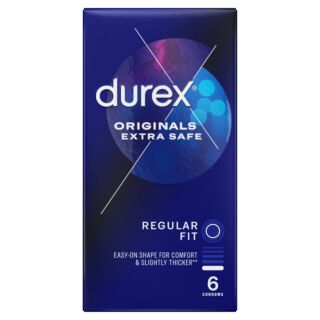
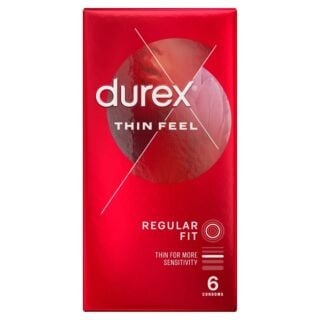
Condoms: both female and male condoms are available.
However, it's important to be aware that many of these contraceptive methods contain the same or similar hormones as the pill.
If you're stopping the pill because of side effects, you may experience the same problems with other hormonal contraception. It's worth speaking to your GP for advice on which contraceptive option might work better for you.
Frequently asked questions about coming off the pill
How long do birth control side effects last once you're off the pill?
Most side effects from the pill should start to improve within a few days or weeks of stopping. However, this varies from person to person.
Some side effects may take a couple of months to fully settle, while others might disappear straight away. If you're still experiencing side effects after three months, it's worth speaking to your GP.
Is it healthier to go off birth control?
Whether stopping the pill is healthier depends on your individual circumstances. For some people, the pill can cause unwanted side effects. For others, the pill is beneficial and helps manage conditions like heavy periods or acne.
What is the three-month pill rule?
Many healthcare professionals suggest giving your body about three months to settle after stopping hormonal contraception before making any big decisions. This gives your natural cycle time to return and allows you to see how you feel once the hormones have left your system.
Chemist 4 U uses cookies (and other techniques) to enhance your shopping experience.
Read more about our cookie policy, terms and conditions and privacy statement. By continuing on this site and accepting our cookies you agree to the collection of information on this basis by us and by third parties on the platform as well as direct email marketing. Please customise your cookie settings below.
Find out more about our data policies.