Chickenpox
Chickenpox is a common viral infection that causes an itchy rash and flu-like symptoms. It's most common in children, but adults can also develop chickenpox and may experience more severe symptoms. At Chemist4U, we offer a range of products to help soothe your symptoms, including itching, irritation, fever, and discomfort. From cooling mousses and calamine lotion to antihistamines and temperature relief treatments, there are several ways for you manage your symptoms while the infection runs its course. … Read More See less
Chickenpox is caused by the varicella-zoster virus and spreads very easily through close contact, coughing, sneezing, and touching fluid from the blisters. Although chickenpox is usually mild, it can sometimes lead to complications, particularly in pregnancy, newborn babies, and people with weakened immune systems. Most people recover within 1-2 weeks, and once you’ve had chickenpox, you usually develop long-term immunity against future infections.
-

-
-
-
-

-
Save 6%
-
 Out of Stock


What is chickenpox?
Chickenpox is a highly contagious viral infection caused by the varicella-zoster virus. It typically causes an itchy blister-like rash alongside symptoms like fever, tiredness, and body aches.
Chickenpox is most common in children under 10 years old, although adults who have not previously had the infection can also catch it.
The rash usually appears in crops, meaning new spots can continue appearing for several days.
When is chickenpox contagious?
Chickenpox is contagious from around:
- two days before the rash appears
- until all blisters have formed scabs
This means someone can spread the virus before they realise they have chickenpox.
How is chickenpox spread?
Chickenpox spreads through:
- coughing and sneezing
- direct contact with blister fluid
- touching contaminated surfaces
This means the virus can spread very easily in households, schools, and nurseries.
How long does chickenpox last?
Most cases improve within:
- 1–2 weeks in children
- slightly longer in adults
New spots usually stop appearing after around five days, with scabbing developing shortly afterwards.
Chickenpox symptoms
The most recognisable symptom of chickenpox is the itchy red rash that develops into fluid-filled blisters.
Other symptoms may include:
- fever
- headache
- fatigue
- loss of appetite
- muscle aches
What does the start of chickenpox look like?
Chickenpox often starts with small red spots that may initially resemble insect bites.
These spots:
- usually appear on the chest, back, or face first
- become itchy
- fill with fluid to form blisters
- eventually burst and scab over
New spots can continue appearing for several days.
Chickenpox in children vs adults
Children usually experience milder symptoms and recover more quickly.
Adults are more likely to develop:
- higher fever
- more severe rash
- complications like pneumonia
Pregnant individuals and people with weakened immune systems are also at increased risk of complications.
Measles vs chickenpox
|
|
Chickenpox |
Measles |
|
Cause |
Varicella-zoster virus |
Measles virus |
|
Rash type |
Itchy fluid-filled blisters |
Flat red-brown rash |
|
Rash progression |
Spots, then blisters, then scabs |
Flat rash spreads downward |
|
Itching |
Very common |
Less common |
|
Fever |
Common |
Common |
|
Vaccination |
Combined MMRV vaccine (for children) Private chickenpox vaccine |
Combined MMRV vaccine (for children) Private MMR vaccine |
Stages of chickenpox
Chickenpox typically develops in several stages:
- Early symptoms: Fever, tiredness, headache, and reduced appetite may develop before the rash appears.
- Red spots appear: Small itchy spots begin forming, usually on the torso or face.
- Blister stage: Spots fill with fluid and become itchy blisters.
- Scabbing stage: Blisters burst, dry out, and form scabs.
New spots may continue appearing while older spots are already scabbing.
How to treat chickenpox
Chickenpox usually clears on its own. However, treatments can help manage symptoms and reduce discomfort while the infection resolves it.
Common treatment options include:
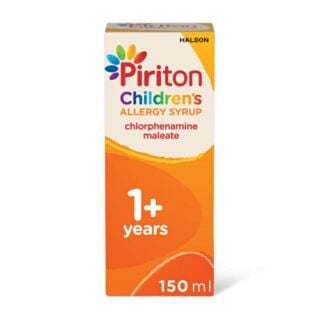
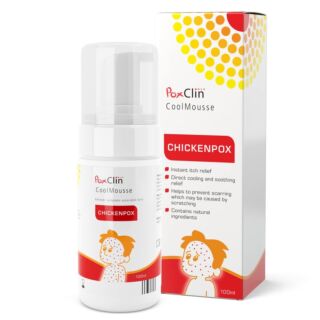
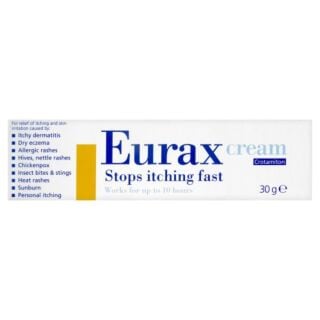
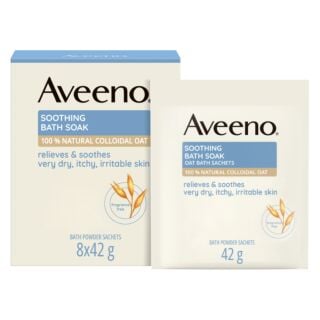
- cooling mousses and gels
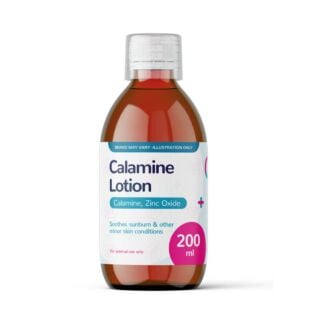
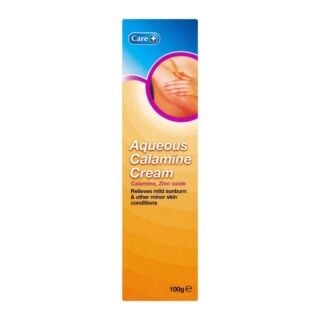
- calamine lotion
- antihistamines for itching
- paracetamol for fever and discomfort
- keeping hydrated
- wearing loose clothing
You should avoid ibuprofen unless advised by a healthcare professional, as it may increase the risk of skin complications in chickenpox.
Keeping fingernails short may also help reduce skin damage from scratching.
How to get the chickenpox vaccine
Since January 2026, the chickenpox vaccine is part of the routine NHS childhood vaccination schedule. It's also available privately in the UK.
The vaccine may also be recommended on the NHS for:
- healthcare workers
- close contacts of vulnerable individuals
- people at increased risk of complications
Speak to your GP or vaccination clinic for further advice.
When to seek medical help for chickenpox
Most cases can be managed at home, but medical advice should be sought if:
- symptoms become severe
- there are signs of infection in the skin
- breathing difficulties develop
- a baby under four weeks old develops chickenpox
- someone pregnant develops chickenpox
- a person with a weakened immune system develops symptoms
Chickenpox in pregnancy
Chickenpox during pregnancy can increase the risk of complications for both the pregnant individual and baby, particularly if infection occurs close to delivery.
If you are pregnant and think you may have chickenpox or have been exposed to someone with the infection, contact your GP or midwife immediately.
Sources
- Chickenpox. NHS. [Accessed 12 May 2026].
- Chickenpox. Patient.info. [Accessed 12 May 2026].
- Chickenpox. NICE Clinical Knowledge Summaries. [Accessed 12 May 2026].
- Chickenpox vaccination. NHS. [Accessed 12 May 2026].
- Chickenpox in pregnancy. Royal College of Obstetricians and Gynaecologists. [Accessed 12 May 2026].
- Chickenpox. Great Ormond Street Hospital. [Accessed 12 May 2026].
- Chickenpox and shingles. Asthma + Lung UK. [Accessed 12 May 2026].
- Varicella-zoster virus infections. British Association of Dermatologists. [Accessed 12 May 2026].

Free delivery when you spend over £39

100% discreet delivery for every item ordered

Fully regulated UK pharmacy



Can I go to work if my child has chickenpox?
If your child has chickenpox, follow your workplace’s policy and avoid spreading infection to vulnerable individuals.
Can you contract chickenpox from shingles?
Yes. Someone with shingles can spread the varicella-zoster virus to a person who has never had chickenpox, causing them to develop chickenpox rather than shingles.
Can you contract chickenpox twice?
Most people only get chickenpox once because the body develops immunity after infection. However, rare second infections can occur.
Can you fly with chickenpox?
Many airlines do not allow travel while the chickenpox is contagious. You may need medical clearance before flying.
Can you get shingles from chickenpox?
After recovering from chickenpox, the virus remains dormant in the body and can later reactivate as shingles.
How long does it take for chickenpox to scab over?
Most blisters begin scabbing within 5–7 days after the rash first appears.
Is chickenpox dangerous in pregnancy if you’ve already had it?
If you have previously had chickenpox, you are usually immune. However, speak to your healthcare provider if you are unsure.
What’s the worst day for chickenpox?
Symptoms are often at their worst during the first few days after the rash appears, when itching and new blister formation are most intense.
Why is chickenpox called chickenpox?
The exact origin of the name is unclear, but historians believe it may relate to the mild nature of the disease compared to smallpox.