
Are Peptides Safe?
Peptides have become one of the most talked-about topics in health and wellness, with licensed weight loss medications like Wegovy and Mounjaro driving interest across the UK. At the same time, social media has fuelled demand for unregulated peptide products marketed for everything from muscle growth to anti-ageing.
If you're considering peptide treatment, it's important to understand the difference between medicines that have been thoroughly tested and approved for use, and products sold online that may not meet UK safety standards.
In our guide, we explore exactly that, looking at what peptides are, how they're regulated, and what you need to avoid to stay safe.
Three key takeaways
- Some peptide medicines are safe when prescribed appropriately. Medicines like semaglutide (Wegovy and Wegovy pills), tirzepatide (Mounjaro) and liraglutide (Saxenda) have undergone extensive clinical trials and are licensed for use in the UK for specific medical conditions.
- Not all peptides sold online are regulated. Many products marketed for muscle growth, anti-ageing or rapid weight loss have not been approved by the Medicines and Healthcare products Regulatory Agency (MHRA) and may pose serious health risks.
- Always obtain peptide medicines from regulated healthcare providers. This helps make sure the medicine is genuine, appropriate for your needs, and supplied with the clinical support needed to use it safely.

What are peptides?
Peptides are short chains of amino acids that help the body carry out essential functions. Some occur naturally in the body, while others are developed as medicines to treat specific health conditions.
Amino acids are often described as the building blocks of proteins. When these amino acids join together in shorter chains, they form peptides. Many peptides act as chemical messengers, helping different parts of the body communicate with one another.
Naturally occurring peptides help control your appetite, blood sugar levels, digestion, hormone production, growth and tissue repair, and how your body fights off viruses and bacteria.
Scientists have also developed synthetic peptides that mimic these natural processes. These medicines are designed to target specific receptors within your body and are used to treat a range of medical conditions.
Examples of licensed peptide medicines used in the UK include:
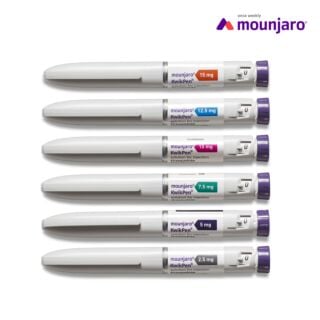
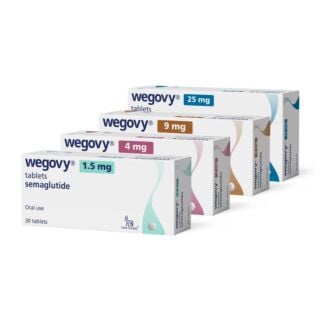
- semaglutide (Wegovy)
- tirzepatide (Mounjaro)
- liraglutide (Saxenda)
- insulin
- certain fertility medicines
These medicines have undergone rigorous clinical trials to demonstrate their safety, effectiveness and quality before being approved for use by patients.

Is retatrutide a peptide?
Yes, retatrutide is a peptide medicine currently being researched for the treatment of obesity and type 2 diabetes. It has shown promising results in clinical trials but isn't currently licensed for routine use in the UK.
As research continues, the MHRA will review evidence on its safety, quality and effectiveness before any decision is made about approval.
What are peptides used for?
Licensed peptide medicines are used to treat several medical conditions, while unregulated peptide products are often marketed online for uses that are not backed by evidence.
Healthcare professionals prescribe peptide medicines because they are safe and effective for specific medical conditions when used appropriately.
Licensed peptide medicines may be prescribed for:
- weight management
- type 2 diabetes and diabetes requiring insulin therapy
- endometriosis
- fertility treatment
Alongside these approved uses, there has been a growing market for unregulated peptide products that claim to help with:
- muscle growth
- faster recovery after exercise
- fat loss
- improved athletic performance
- anti-ageing
Many of these products are sold as 'research chemicals' or labelled 'not for human consumption', despite being promoted online for personal use.
Unlike licensed medicines, these products may not have undergone clinical testing to prove they are safe, effective or manufactured to appropriate quality standards. This means consumers may not know exactly what they are buying or the risks involved.
Why is peptide use on the rise?
Interest in peptides has increased rapidly due to licensed weight loss medicines, social media and growing online discussions around fitness, longevity and performance enhancement. However, their popularity does not always reflect scientific evidence.
The success of medicines like Wegovy and Mounjaro has introduced millions of people to peptide-based treatments. At the same time, social media platforms, podcasts and online fitness communities have popularised discussions around peptides for bodybuilding, recovery and healthy ageing.
This increased visibility has made many people more aware of peptides, but it has also created confusion.
Content shared online may not always distinguish between:
- MHRA-approved medicines
- peptides still being researched
- unlicensed products sold online
- anecdotal personal experiences rather than scientific evidence
As a result, some people may assume all peptides are equally safe or effective, when this isn't the case.
Are peptides regulated in the UK?
Some peptides are regulated and licensed for medical use in the UK, while others are not. Before considering any peptide treatment, it's important to check whether the medicine has been approved for use in the UK and to seek advice from a regulated healthcare professional rather than relying solely on information shared online.
In the UK, medicines must meet strict standards for quality, safety and effectiveness before they can be licensed for use. The MHRA assesses medicines using evidence from clinical trials and manufacturing processes before approving.
These medicines, like Wegovy and Mounjaro, are only available following an appropriate clinical assessment and should be used under the guidance of a healthcare professional.
How are people getting unregulated peptides in the UK?
Although unlicensed peptide products cannot legally be marketed as medicines without approval, some are still available through online retailers, overseas suppliers and social media sellers.
These products may be advertised as:
- research chemicals
- laboratory reagents
- ‘for research purposes only’
- ‘not for human consumption’
Despite these labels, they are often promoted with claims to improve fitness, increase muscle mass or accelerate fat loss.
Unlike regulated pharmacies, these sellers may not require a medical consultation or verify whether a product is appropriate for the individual purchasing it.
For this reason, the MHRA advises people to buy medicines only from registered pharmacies and regulated healthcare providers, like Chemist4U.
Is it safe to take unregulated peptides?
Unregulated peptides may carry significant health risks because they have not necessarily been tested, approved or manufactured to the standards required for licensed medicines in the UK.
One of the biggest concerns with unregulated peptide products is that there is often no way to confirm what ingredients they actually contain.
Potential risks include:
- incorrect dosing
- contamination when they’re manufactured
- counterfeit or fake products
- undisclosed ingredients
- poor storage or transport conditions
- lack of quality control
- no clinical supervision
Without a proper medical review, people may fail to take into consideration important health conditions, interactions with other medications or side effects that could make using peptides unsafe.
This is why the MHRA has repeatedly warned consumers about purchasing medicines from unregulated websites, as fake medicines can pose serious health risks.
Red flags to look out for
Be cautious if a website or seller:
- claims a peptide is a ‘miracle’ treatment
- sells prescription medicines without a consultation
- doesn't provide clear manufacturer information
- offers products at unusually low prices
- promotes medicines through social media messaging apps
- doesn't display evidence of being a registered UK pharmacy
If you're unsure whether a medicine is genuine, speak to a pharmacist or healthcare professional before purchasing it.
When should you seek urgent medical help?
If you have taken an unlicensed peptide, you should seek immediate medical attention if you develop:
- severe abdominal pain
- persistent vomiting
- difficulty breathing
- swelling of the face, lips or throat
- chest pain
- signs of a severe allergic reaction
- symptoms of severe dehydration, like dizziness, confusion or very little urine
Is there evidence that peptides actually work?
Some peptide medicines have strong clinical evidence supporting their use, while many peptides promoted online have little or no high-quality evidence to prove they're safe for or effective in people.
Licensed peptide medicines have been studied in large clinical trials before being approved for use.
For example:
- Semaglutide and tirzepatide have been recommended by the National Institute for Health and Care Excellence (NICE) for managing overweight and obesity in eligible adults alongside healthy lifestyle changes.
- Insulin has been safely used for decades to help people manage diabetes.
- Fertility peptide medicines have an established role in specialist reproductive care.
In contrast, many peptides sold online for bodybuilding, anti-ageing or recovery are still being researched or have only been studied in laboratories or using animal test subjects.
This means there may not be enough evidence to confirm:
- whether they work as claimed
- their long-term safety
- appropriate dosing
- potential interactions with other medicines
- possible long-term side effects
It's important not to assume that a product is safe or effective simply because it is widely discussed online or promoted by influencers.
How Chemist4U can help
If you're considering peptide treatment, choosing a regulated healthcare provider is one of the safest ways to access advice and treatment.
At Chemist4U, patient safety comes first.
Our clinicians assess whether treatment is appropriate for you based on your medical history, current health and treatment goals before prescribing any medication.
When you obtain medicines through a regulated UK pharmacy, you can have confidence that they are:
- MHRA-approved where applicable
- supplied through regulated channels
- genuine and quality assured
- accompanied by professional clinical guidance
If a peptide medicine isn't suitable for you, our healthcare professionals can discuss alternative treatment options and answer any questions you may have.
Frequently asked questions about peptides
Are peptides legal in the UK?
Some peptides are legal in the UK, while others are not licensed as medicines. Whether a peptide can legally be supplied depends on its regulatory status and intended use.
Licensed peptide medicines can be prescribed by qualified healthcare professionals. Unlicensed products sold online may not meet UK regulatory requirements, so it's important to check where your medicine is coming from.
Are peptides a form of steroids?
No. Peptides and anabolic steroids are different types of substances and work in different ways within the body.
Peptides are short chains of amino acids that act as signalling molecules or hormones, whereas anabolic steroids are synthetic versions of testosterone.
Although both may sometimes be discussed in fitness communities, they have different medical uses, risks and side effects.
Are peptides safe for gym use?
Not all peptides promoted for bodybuilding or athletic performance are safe. Many products marketed for gym use are unlicensed and have not undergone the same testing as approved medicines.
If you're considering using peptides to improve your athletic performance or muscle growth, speak to a healthcare professional first. Using unregulated products may expose you to unknown ingredients, contamination, and potentially serious health risks.
Sources
- Medicines and medical devices regulation and safety. (2026). Medicines and Healthcare products Regulatory Agency. [Accessed 5th August 2026].
- Obesity.(2026) NHS. [Accessed 5th August 2026].
- Semaglutide for managing overweight and obesity. (2023). National Institute for Health and Care Excellence (NICE). [Accessed 5th August 2026].
- Tirzepatide for managing overweight and obesity. (2025). National Institute for Health and Care Excellence (NICE). [Accessed 5th August 2026].
- Liraglutide for managing overweight and obesity. (2020). National Institute for Health and Care Excellence (NICE). [Accessed 5th August 2026].
- Retatrutide Once Weekly for the Treatment of Obesity. (2023). New England Journal of Medicine. [Accessed 5th August 2026].